Description
Mupiheal Ointment (Mupirocin)
Product introduction
Mupiheal Ointment (Mupirocin) is a topical antibacterial ointment used to treat localized bacterial skin infections. The active ingredient, mupirocin, targets essential bacterial enzymes at the site of infection, preventing bacteria from multiplying and allowing the skin’s natural healing processes to clear the infection. Because it is applied directly to the affected area, Mupiheal delivers high drug concentration locally while minimizing systemic exposure. Clinicians commonly prescribe it for impetigo, infected minor cuts, infected eczema, and certain cases of folliculitis.
Mupiheal Ointment (Mupirocin)
Mupiheal is typically supplied as a 2% ointment. The formulation includes an ointment base that enhances skin adherence and prolongs contact time so mupirocin can penetrate the superficial skin layers where bacteria reside. It is manufactured under pharmaceutical standards and is intended for topical use only. The product is suitable for both adult and pediatric use when prescribed by a healthcare professional and when infection is localized.
Uses of Mupiheal Ointment (Mupirocin)
Mupiheal is indicated for a variety of localized bacterial skin infections. Common uses include:
- Impetigo — a contagious superficial infection seen often in children with crusted lesions.
- Infected minor cuts, abrasions and lacerations — to treat or prevent local bacterial overgrowth.
- Infected eczema — when secondary bacterial colonization complicates atopic dermatitis.
- Folliculitis — infected hair follicles producing small pustules and inflammation.
- Nasal decolonization — specially formulated mupirocin nasal ointment may be used under medical direction to reduce Staphylococcus aureus carriage in the nares when required pre-operatively or for decolonization protocols.
Choice of topical mupirocin vs oral antibiotics should be based on infection extent, severity and clinician judgement.
Benefits of Mupiheal Ointment (Mupirocin)
When used appropriately, Mupiheal offers several practical advantages:
- High local efficacy: concentrated antibiotic action at the infected site.
- Reduced systemic exposure: fewer systemic adverse effects compared to oral antibiotics.
- Rapid clinical improvement: many patients notice decreased pus, crusting and redness within a few days.
- Convenient topical regimen: suitable for outpatient management and home application.
- Supports antimicrobial stewardship: avoids unnecessary systemic antibiotic use when topical therapy suffices.
In Treatment of Worm infections
Important clarification: Mupirocin is an antibacterial agent and does not treat helminthic (worm) infections. This section is included to follow your page structure: in circumstances where scratching from parasitic infestations causes secondary bacterial infection, topical mupirocin may be used to treat that bacterial component, while anthelmintic therapy is required to treat the primary parasitic infestation.
Side effects of Mupiheal Ointment (Mupirocin)
Topical mupirocin is generally well tolerated. Most adverse effects are local and mild. Serious systemic reactions are rare because topical absorption is usually minimal when used correctly.
Common side effects of Mupiheal Ointment (Mupirocin)
- Mild burning, stinging or tingling at the application site
- Local redness or itching
- Dryness or flaking of treated skin
- Contact dermatitis (rare)
When to seek help: if you notice increasing redness, spreading infection, fever, severe skin reaction, or signs of an allergic reaction (swelling of face, lips, tongue or breathing difficulties), stop use and seek urgent medical advice.
How to use Mupiheal Ointment (Mupirocin)
Use Mupiheal exactly as prescribed. General application steps:
- Wash and dry the affected area gently before applying the ointment.
- Apply a thin layer of ointment to the infected area 2–3 times daily or as directed by your healthcare professional.
- Avoid applying to large open wounds or severe burns unless specifically directed by a clinician.
- Avoid contact with eyes, nose, mouth and other mucous membranes — rinse thoroughly if accidental contact occurs.
- Wash hands before and after application unless you are treating your hands.
- Complete the full prescribed duration even if lesions appear improved earlier to reduce recurrence and resistance.
How Mupiheal Ointment (Mupirocin) works
Mupirocin inhibits bacterial isoleucyl-tRNA synthetase, an enzyme essential for protein synthesis. Inhibiting this enzyme prevents bacteria from making proteins they need to survive and replicate. At the topical concentrations achieved in the skin, mupirocin may be bactericidal for many susceptible organisms — rapidly reducing bacterial counts and promoting clinical resolution.
Safety advice
| Allergy | Do not use if you are allergic to mupirocin or any component of the ointment. |
| Pregnancy | Discuss with your clinician — topical absorption is minimal, but follow professional guidance. |
| Breastfeeding | Avoid nipple application before feeding; seek advice if ointment is used near the breast. |
| Children | Used in pediatric practice under clinician supervision — follow prescribed application details for children. |
| Resistance | Avoid unnecessary prolonged use; follow prescribed duration to reduce resistance risk. |
| Interactions | Topical mupirocin has minimal systemic drug interactions; disclose other topical medicines to your clinician. |
What if you forget to take Mupiheal Ointment (Mupirocin)?
If you miss an application, apply as soon as you remember and then continue with your regular schedule. Do not double the next application to make up for a missed one. If you miss several applications or are uncertain, contact your prescriber for advice. Consistent application helps ensure treatment success and reduces the risk of resistance.
All substitutes
Substitute options and alternatives depend on infection type and local availability. Common options clinicians may consider include:
- Generic mupirocin 2% ointment (equivalent)
- Topical fusidic acid (where clinically suitable and available)
- Oral systemic antibiotics (e.g., cephalexin, flucloxacillin) for more extensive or deeper infections
Always choose alternatives based on clinician assessment and culture & sensitivity when possible.
Quick tips
- Use a thin layer — applying excess ointment does not accelerate healing.
- Complete the full course even if symptoms improve early.
- Keep treated areas clean and avoid sharing towels or dressings.
- Monitor for worsening infection or severe reactions and seek medical care if they occur.
- Store at room temperature away from heat and direct sunlight.
Fact Box
| Generic name | Mupirocin |
| Brand | Mupiheal Ointment |
| Strength | 2% topical ointment (typical) |
| Form | Topical ointment |
| Prescription | Prescription-only in many regions |
| Typical dosing | Thin layer applied 2–3 times daily |
Patient concerns
“Will it work quickly?” Many patients see visible improvement in 3–5 days for superficial infections. If you do not see improvement or infection worsens, consult your healthcare professional.
“Can my child take it?” Yes — under clinician supervision. Pediatric dosing or application frequency may differ by age and condition.
User feedback
Patients commonly report rapid clearing of pustules and crusting with minimal irritation. Mild stinging may occur during the first applications but usually subsides. Sharing your experience helps other patients and improves content relevance.
Are you currently taking Mupiheal Ointment (Mupirocin)? Let us know how well it is working for you by taking this survey.
FAQs
Can Mupiheal Ointment (Mupirocin) be stopped when my symptoms are gone?
No. Complete the full course to reduce the likelihood of recurrence and to limit development of resistance. Follow your prescriber’s advice.
Can the use of Mupiheal Ointment cause skin thinning?
No. Mupirocin is not a corticosteroid and does not cause skin thinning when used appropriately.
Will Mupiheal Ointment (Mupirocin) be more effective if used more than recommended?
No. Applying more frequently or more ointment increases irritation risk without improving outcomes.
What are the instructions for storage and disposal of Mupiheal Ointment?
Store at room temperature away from direct sunlight and moisture. Keep out of reach of children. Dispose of unused or expired product according to local pharmacy guidance or take-back schemes.
Related products
- Azithromycin (Azipro) — oral antibiotic
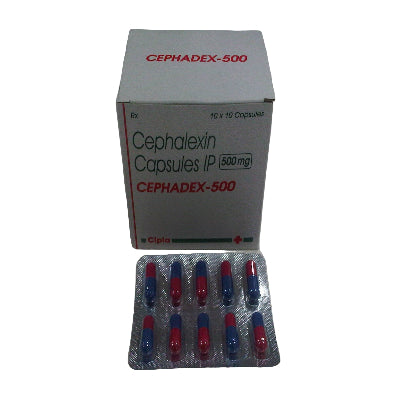
- Cephalexin (Cephadex) — oral antibiotic
- Antiseptic solutions & dressings
Want to share the information?
Share this guide with friends or family who may benefit. Correct topical antibiotic use helps reduce resistance and improves recovery.
Disclaimer:
This content is for educational purposes only and does not replace medical advice. Always follow your prescriber’s instructions and consult a healthcare professional for personalised guidance.
References
- Standard dermatology and antimicrobial prescribing references
- National clinical guidelines on topical antibiotic use
Marketer details
GlobalMedShip — support@globalmedship.com — www.globalmedship.com
In case of any issues, contact us
Use our contact page, live chat or support email for order or product enquiries.
Lab tests offered by us
- Swab & culture for bacterial identification
- Allergy testing
- Complete blood count (CBC) and inflammatory markers when indicated
Additional offers
Use code GLOBAL10 for 10% off your first order. Free shipping on orders over $49 (terms apply).
What are you using this medicine for?
Select reason during checkout to receive condition-specific pharmacist tips.
Know Us
Our Policies
Our Services
Connect
Social Links
Want daily dose of health?
Subscribe to our newsletter for verified medical content, offers and pharmacy updates.