
Description
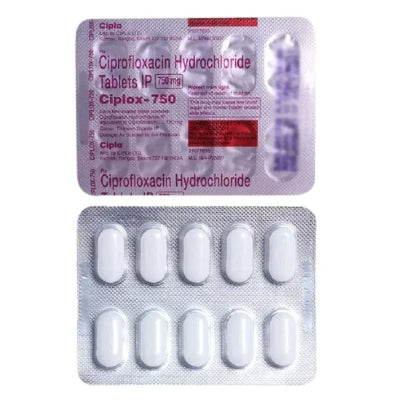
Ciplox 750 mg (Ciprofloxacin) – Broad‑Spectrum Antibiotic for Serious Bacterial Infections
Ciplox 750 mg contains the fluoroquinolone antibiotic ciprofloxacin, widely used in treating bacterial infections such as urinary tract infections, pneumonia, skin & soft tissue infections, prostatitis, typhoid, gastrointestinal infections, and more
Available at Global Medship with secure and discreet shipping to the USA, UK, Canada, Australia, and over 60 countries.
Approved Uses & Typical Dosage
- Urinary tract infections: 250–750 mg twice daily for 3–14 days
- Respiratory, gastrointestinal, bone/joint, and skin infections: 500–750 mg every 12 hours for 7–14 days or longer
- Gonorrhea: 250 mg single dose; anthrax prophylaxis: up to 500 mg twice daily for 60 days :
How Ciplox Works
Ciprofloxacin inhibits bacterial DNA gyrase and topoisomerase IV, preventing cell replication and killing susceptible bacteria
Common Side Effects
Nausea, vomiting, diarrhea, headache, dizziness, and mild liver function changes are common. Serious but rare effects include tendon rupture, nerve damage, mood changes, and QT prolongation
Precautions & Drug Interactions
- Avoid use in patients with myasthenia gravis—it may worsen muscle weakness
- Do not take with antacids, dairy, calcium, magnesium, iron, or zinc supplements—absorption can drop by up to 90%
- Interactions: strong inhibition of CYP1A2, may interact with tizanidine, theophylline, caffeine, warfarin, and others
Complete the full course even if symptoms improve to prevent antibiotic resistance.
Frequently Asked Questions (FAQs)
What is Ciplox 750 mg used to treat?
Ciplox is used for a wide range of bacterial infections including UTIs, respiratory infections, skin & soft tissue infections, typhoid fever, prostatitis, gastrointestinal infections, and prophylaxis for anthrax exposure.
How should I take Ciplox 750 mg?
Take one tablet twice daily (every 12 hours), preferably at a fixed schedule, with or without food. Avoid antacids and dairy within 1–2 hours before or after your dose.
Can I stop early if I feel better?
No—complete the full prescribed course to prevent bacterial resistance, even if symptoms resolve before finishing the medication.
What side effects should I be aware of?
Common side effects include GI symptoms, headache, or dizziness. Rare but serious risks include tendon rupture, peripheral neuropathy, mood changes, and cardiac arrhythmia—seek medical help if these arise .
Is Ciplox safe during pregnancy or breastfeeding?
Ciprofloxacin is generally not recommended in pregnancy due to potential effects on fetal cartilage; it may pass into breast milk in small amounts. Consult a healthcare provider before use.