
Description
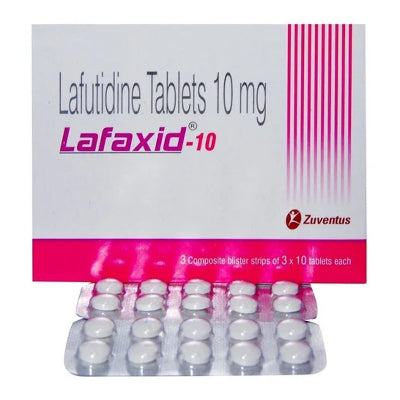
Lafaxid 10 mg (Lafutidine) – H₂ Blocker for Ulcers, Gastritis & Acid Reflux
Lafaxid 10 mg contains lafutidine, a second-generation histamine H₂ receptor antagonist used to treat gastric and duodenal ulcers, gastritis, and gastroesophageal reflux disease (GERD). It also supports gastric mucosal protection beyond acid suppression.
Key Benefits:
- Reduces stomach acid by blocking H₂ receptors
- Enhances mucosal defense via increased mucin, NO, and somatostatin signaling
- Speeds healing of gastric and duodenal ulcers and gastritis lesions
How It Works
Lafutidine suppresses acid secretion and improves gastric blood flow and mucosal protection. It also inhibits neutrophil activation and reduces inflammation in the stomach lining.
Recommended Dosage
Adults: 10 mg orally twice daily—after breakfast and evening meal (or before sleep) for ulcers. For mucosal lesions, 10 mg once daily at bedtime may be used. Adjust dose per age and renal/hepatic status.
Possible Side Effects
- Constipation, diarrhea, nausea, headache, dizziness
- Increased liver enzymes, hyperuricemia, breast enlargement in males (gynecomastia), anorexia, hallucinations—rare.
Precautions & Interactions
- Use with caution in hepatic or renal impairment, elderly, or dialysis patients.
- Can interact with antacids (reduce absorption), sucralfate—separate by 1–2 hours.
- May influence warfarin effect—increase INR—close monitoring advised.
- Avoid alcohol, NSAIDs, aspirin, and drugs like lithium or atazanavir concurrently.)
- Not recommended in children. Avoid in pregnancy or breastfeeding unless needed with clear medical supervision.
- Avoid driving if dizziness or drowsiness occurs.
Why Choose Lafaxid?
- Generic form of “Stogar”/“Protecadin” approved in India and other markets
- More than acid suppression—promotes mucosal healing via multimodal action
- Tolerable profile with low incidence of serious side effects
Frequently Asked Questions (FAQs)
1. What is Lafaxid 10 mg used for?
Treats gastric and duodenal ulcers, reflux-induced gastritis, erosions, and heartburn symptoms.
2. When should I take Lafaxid?
Usually twice daily after meals or at bedtime. Once-daily dosing may be used in milder mucosal lesion cases.
3. What if I miss a dose?
Take as soon as remembered unless close to the next scheduled dose. Do not double the dose.
4. Can I drink alcohol while taking it?
Avoid alcohol—it may worsen stomach irritation and increase side effects.
5. Is Lafaxid safe for liver/kidney patients?
Use with caution—adjust dosing in severe liver or renal impairment. Monitor function periodically.

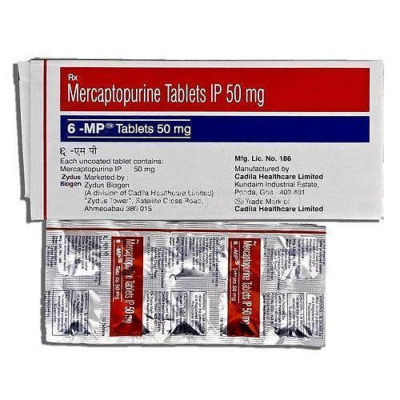 6-MP 50 Mg (Mercaptopurine)
 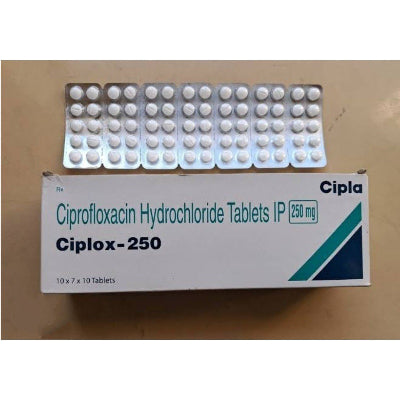 Ciplox 250mg (Ciprofloxacin)
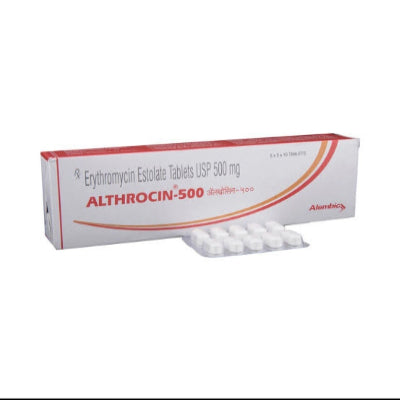
  Althrocin 500mg (Erythromycin)