


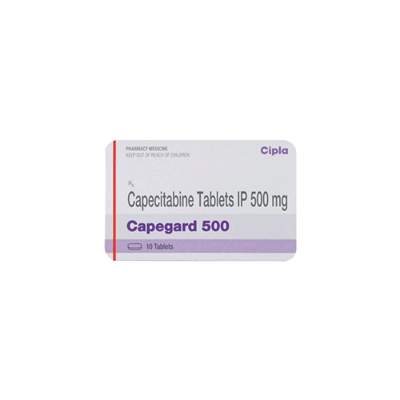
Acabrunat 100 mg (Acalabrutinib)
Acabrunat 100 mg contains acalabrutinib, a selective Bruton tyrosine kinase (BTK) inhibitor used in the management of certain B-cell malignancies. Acalabrutinib interferes with BTK signalling pathways that support malignant B-cell survival and proliferation. It is prescribed under specialist haematology/oncology supervision for conditions such as chronic lymphocytic leukaemia (CLL), small lymphocytic lymphoma (SLL) and mantle cell lymphoma (MCL).
Acabrunat is a prescription targeted therapy and its use requires baseline assessments, specialist oversight and scheduled monitoring to manage efficacy and safety.
Product introduction
Acalabrutinib is a covalent BTK inhibitor designed for targeted blockade of B-cell receptor signalling. The 100 mg tablet strength is commonly used in oral regimens and may be prescribed as monotherapy or in combination with other agents depending on disease subtype, prior treatments and patient fitness. Therapy planning is individualised by the treating haematologist.
Uses of Acabrunat 100 mg (Acalabrutinib)
Common indications include:
- Treatment of chronic lymphocytic leukaemia (CLL)
- Small lymphocytic lymphoma (SLL)
- Mantle cell lymphoma (MCL)
- Other B-cell malignancies as directed by a specialist
Note: Approvals and recommended regimens vary by country — always follow your oncology/haematology team’s instructions.
Benefits of Acabrunat 100 mg (Acalabrutinib)
Why acalabrutinib is used:
- Targeted therapy: selectively inhibits BTK to impair malignant B-cell signalling.
- Oral dosing: convenient oral administration compared with some IV regimens.
- Clinical benefit: shown to produce durable responses and improved control for many patients with CLL, SLL and MCL.
- Favourable tolerability: compared to some cytotoxic regimens, though monitoring for class-specific toxicities is essential.
In Treatment of Non-Oncology Conditions
Important: Acabrunat (acalabrutinib) is an oncology drug and is not indicated for infections or non-malignant conditions outside approved oncology uses. This heading preserves the page structure.
Side effects of Acabrunat 100 mg (Acalabrutinib)
Acalabrutinib has characteristic adverse effects; many are manageable but some require prompt medical attention.
Common side effects
- Headache
- Diarrhoea
- Fatigue
- Bruising or bleeding tendency
- Neutropenia or other cytopenias
- Upper respiratory tract infections
Important risks: bleeding (including serious bleeding), cardiac arrhythmias or atrial fibrillation in susceptible patients, infection risk, and cytopenias. Inform your specialist about any new bleeding, palpitations, chest pain, fever or significant bruising.
How to use Acabrunat 100 mg (Acalabrutinib)
- Follow your haematologist’s prescription exactly — typical dosing is 100 mg orally twice daily, but regimens differ by indication and patient factors.
- Swallow tablets whole with water; do not crush or chew.
- Take doses approximately 12 hours apart for twice-daily schedules to maintain steady exposure.
- Attend scheduled blood tests and clinical reviews (CBC, LFTs, renal function, ECG if indicated).
- Do not stop treatment without consulting your treating specialist; dose interruptions or modifications are sometimes used to manage toxicity.
How Acabrunat works
Acalabrutinib irreversibly binds to Bruton tyrosine kinase (BTK), inhibiting downstream signalling of the B-cell receptor pathway, reducing malignant B-cell proliferation and survival. Its targeted mechanism helps limit effects on non-malignant tissues relative to some older agents, though off-target effects and class toxicities remain important to monitor.
Safety advice
| Pregnancy | Contraindicated in pregnancy unless benefits outweigh risks. Women of childbearing potential should use effective contraception and confirm negative pregnancy tests per protocol. |
| Breastfeeding | Do not breastfeed during and for a period after treatment; acalabrutinib may be excreted in breast milk. |
| Bleeding risk | Acalabrutinib increases bleeding risk — avoid concurrent use of anticoagulants/antiplatelets unless necessary and discuss with your specialist. Report any unexplained bleeding or bruising. |
| Cardiac risk | Atrial fibrillation and other arrhythmias have been reported. Report palpitations, dizziness, syncope, or chest pain immediately. |
| Infection | Risk of serious infections exists — seek medical attention for fever or signs of infection. |
| Drug interactions | Acalabrutinib is metabolised by CYP3A4; many drug interactions are possible. Share a complete medication list with your oncology pharmacist. |
| Vaccination | Avoid live vaccines during therapy; vaccine responses may be blunted. Discuss timing of immunisations with your clinician. |
What if you forget to take Acabrunat?
- If you miss a dose, take it as soon as you remember on the same day unless it is almost time for the next dose.
- Do not double doses to make up a missed one.
- If multiple doses are missed, contact your haematology team for guidance — schedule adjustments may be required.
All substitutes
Substitutes or alternative therapies are selected by the treating specialist and may include other BTK inhibitors or alternative systemic therapies depending on disease biology and prior treatments. Examples (by specialist decision):
- Other BTK inhibitors (where appropriate)
- Chemo-immunotherapy regimens
- Targeted agents selected by molecular profile
Quick tips
- Take at consistent times each day for even drug exposure.
- Report bleeding, palpitations, fever or new neurological symptoms promptly.
- Maintain regular blood monitoring and clinic reviews.
- Carry a treatment card listing Acabrunat and emergency contacts.
Fact Box
| Generic name | Acalabrutinib |
| Brand | Acabrunat 100 mg |
| Drug class | BTK inhibitor (targeted therapy) |
| Form | Oral tablet (100 mg) |
| Typical regimen | Commonly 100 mg twice daily (protocol dependent) |
| Prescription | Required — oncology/haematology specialist |
Patient concerns
Will Acabrunat cure my cancer? Therapeutic goals vary — acalabrutinib can induce remissions and disease control in many patients, but cure depends on disease type, stage, combined treatments and individual response. Discuss prognosis with your treating team.
How soon will effects be seen? Side effects often appear early; clinical benefit and disease response are assessed over several cycles with imaging and haematological monitoring.
User feedback
Patients appreciate oral targeted options for convenience; common reports include headache, fatigue and diarrhoea. Most adverse effects are managed with supportive care or dose modification under specialist guidance.
Are you currently taking Acabrunat 100 mg? Let us know how it is working for you by taking this survey.
FAQs
Can I stop Acabrunat when side effects occur?
Do not stop without consulting your specialist. Many side effects can be managed with temporary interruption or dose adjustment—your haematologist will advise the safest approach.
Is Acabrunat safe with kidney disease?
Dose adjustments may be needed in renal impairment — inform your treating team about any kidney disease so dosing can be tailored.
Can Acabrunat interact with other anticoagulants?
Yes — caution is required with anticoagulants/antiplatelets due to increased bleeding risk. Frequent monitoring and coordination with relevant specialists are recommended.
How should I store Acabrunat?
Store at room temperature away from moisture and heat. Keep out of reach of children and do not use after the expiry date.
Related products
- Other oncology and targeted agents
- Supportive care medicines
- View all haematology/oncology medicines
Want to share the information?
Share this article to help patients and carers better understand acalabrutinib therapy.
Disclaimer:
This article is for educational purposes only and does not replace specialist medical advice. Acabrunat (acalabrutinib) must be prescribed and monitored by qualified oncology teams. Do not self-medicate.
References
- Clinical haematology and oncology guidelines for CLL, SLL and MCL
- Peer-reviewed literature on acalabrutinib safety and efficacy
Marketer details
genericurerx — support@genericurerx.com — www.genericurerx.com
In case of any issues, contact us
For ordering or prescription verification use live chat or our contact page. For medical concerns contact your oncology team immediately.
Lab tests offered by us
- Complete Blood Count (CBC)
- Liver Function Tests (LFTs)
- Renal profile
- Cardiac evaluation if clinically indicated
- Specialist haematology panels as needed
Additional offers
Patient support, prescription coordination and treatment counselling available on request. Use code GLOBAL10 where eligible for first-order discounts.







Reviews
There are no reviews yet.