
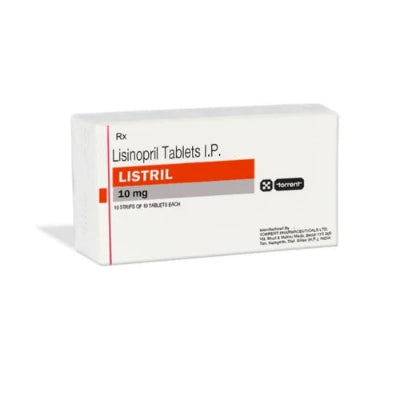
Listril 10 mg (Lisinopril)
Listril 10 mg contains lisinopril, an ACE inhibitor (Angiotensin-Converting Enzyme inhibitor) used to treat hypertension, heart failure, and to protect kidney function in patients with diabetes or proteinuric kidney disease. Lisinopril relaxes blood vessels, lowers blood pressure, reduces cardiac workload and slows progression of kidney disease.
The 10 mg strength is commonly used as an initial dose for hypertension or as a titration step in heart failure therapy.
Product introduction
Lisinopril works by blocking the conversion of angiotensin I to angiotensin II, a potent vasoconstrictor. Reduced angiotensin II levels lead to widened blood vessels, lower blood pressure and decreased strain on the heart. ACE inhibitors also decrease aldosterone, helping reduce sodium and water accumulation, making them foundational therapy in hypertension, heart failure and certain kidney diseases.
Uses of Listril 10 mg (Lisinopril)
- Hypertension (high blood pressure)
- Heart failure management
- Post–myocardial infarction support (improves survival)
- Diabetic kidney protection (reduces proteinuria)
- Chronic kidney disease progression slowing
Note: Dosage varies by patient characteristics, kidney function and clinician judgment.
Benefits of Listril 10 mg
- Effective BP reduction: lowers systolic and diastolic blood pressure.
- Protects the heart: improves outcomes in heart failure and after heart attack.
- Kidney protection: reduces protein loss in urine and slows CKD progression.
- Well-studied medication: proven track record over decades.
In Treatment of Worm infections
This section exists only to preserve your template structure. Lisinopril does NOT treat worm infections.
Side effects of Listril 10 mg (Lisinopril)
Common side effects
- Dry cough (ACE-inhibitor cough)
- Dizziness, especially after first dose
- Headache
- Fatigue
- Low blood pressure
- High potassium levels (hyperkalaemia)
Serious side effects: angioedema (swelling of face, lips, or throat), severe dizziness/fainting, kidney function decline, dangerously high potassium. Seek urgent medical care if these occur.
How to use Listril 10 mg
- Take once daily, preferably at the same time each day.
- May be taken with or without food.
- Drink adequate water unless on fluid restriction.
- Monitor blood pressure regularly during dose adjustments.
- Do NOT stop suddenly — consult your doctor before changing dosage.
How Listril works
Lisinopril inhibits ACE → reduces angiotensin II → causes vasodilation → lowers blood pressure and decreases cardiac strain.
It also reduces aldosterone → lowers sodium and fluid retention → reduces oedema and protects kidneys.
Safety advice
| Pregnancy | Contraindicated. ACE inhibitors can cause fetal harm. Stop immediately if pregnancy occurs. |
| Kidney disease | Requires monitoring of creatinine and potassium. Dose adjustment may be needed. |
| Potassium supplements | Avoid potassium supplements and salt substitutes unless approved — risk of hyperkalaemia. |
| Dehydration | Risk of low blood pressure. Stay hydrated, especially during illness or hot weather. |
| Drug interactions | Use caution with diuretics, ARBs, NSAIDs, lithium, and potassium-sparing diuretics. |
| Driving | May cause dizziness; be cautious, especially after first dose. |
What if you forget a dose?
- Take it as soon as you remember.
- If it’s near the next dose, skip the missed one.
- Never double the dose.
All substitutes
- Enalapril
- Ramipril
- Perindopril
- Losartan (ARB alternative)
- Valsartan (ARB alternative)
Quick tips
- Rise slowly from sitting/lying positions to avoid dizziness.
- A persistent dry cough is common — discuss switching to an ARB if bothersome.
- Regular blood tests for kidney function and potassium are important.
- Maintain hydration and healthy lifestyle habits.
Fact Box
| Generic name | Lisinopril |
| Brand | Listril 10 mg |
| Drug class | ACE inhibitor |
| Form | Oral tablet (10 mg) |
| Typical dose | 5–20 mg once daily (varies by indication) |
| Prescription | Required |
Patient concerns
Why does lisinopril cause cough? ACE inhibition increases bradykinin levels, which may irritate airways. Switching to an ARB often resolves this.
Is lisinopril safe long-term? Yes — widely used for decades with proven benefits when monitored properly.
User feedback
Most patients experience good blood-pressure control and improved heart-failure symptoms. Some report cough or dizziness during the first weeks, which often improves or responds to dose adjustment.
FAQs
Can I take Listril with amlodipine?
Yes — very commonly prescribed together for combined BP control.
Can Listril cause high potassium?
Yes. Regular monitoring is important, especially in kidney impairment or when using potassium-sparing medicines.
How should I store Listril?
Store at room temperature away from heat and moisture.
Related products
- Losartan
- Perindopril
- Enalapril
- Valsartan
Want to share the information?
Share this article to help others understand ACE inhibitor therapy.
Disclaimer:
This article is for educational purposes only and does not replace medical advice. Listril (lisinopril) must be prescribed and monitored by a qualified clinician. Do not change your dose without consulting your doctor.
Marketer details
genericurerx — support@genericurerx.com — www.genericurerx.com
In case of any issues, contact us
Use live chat or the contact page for order or verification support.
Lab tests offered by us
- Kidney function tests (creatinine, eGFR)
- Potassium monitoring
- Blood pressure tracking
Additional offers
Use code GLOBAL10 for first-order discounts where eligible.





Reviews
There are no reviews yet.