

Eptoin 50 mg (Phenytoin)
Price range: 32.00$ through 57.50$
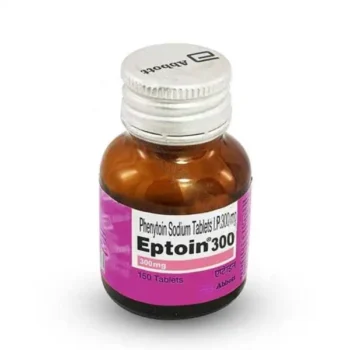
Product Overview Eptoin 50 mg is a prescription anticonvulsant produced by Abbott India Pvt. Ltd. The active ingredient is phenytoin, a sodium‑channel blocker that stabilizes neuronal membranes. Tablets are supplied in bottles containing 150, 300, or
| Active Ingredients | Phenytoin |
|---|---|
| Delivery Time | 6 To 15 days |
| Indication | Seizures, Trigeminal neuralgia |
| Manufacturer | Abbott India Pvt. Ltd. |
| Packaging | 150 tablets in 1 bottle |
| Strength | 50mg |
| Pack Size | Price | Quantity | |
|---|---|---|---|
| 150 Tablet/s | 32.00$ | ||
| 300 Tablet/s | 40.00$ | ||
| 600 Tablet/s | 57.50$ |
Product Overview
Eptoin 50 mg is a prescription anticonvulsant produced by Abbott India Pvt. Ltd. The active ingredient is phenytoin, a sodium‑channel blocker that stabilizes neuronal membranes. Tablets are supplied in bottles containing 150, 300, or 600 units, each marked 50 mg. The formulation is intended for oral use and is indicated for the control of generalized and partial seizures as well as trigeminal neuralgia, a facial pain disorder. Packaging is sealed to protect against moisture and light, ensuring stability throughout the shelf life. The product complies with Indian regulatory standards and is distributed through licensed online pharmacies that verify authenticity.
What is Eptoin 50 mg (Phenytoin)
Phenytoin, chemically known as 5,5‑dimethylhydantoin‑2‑carboxamide, belongs to the hydantoin class of antiepileptic drugs. A 50 mg tablet delivers a dose that achieves therapeutic plasma concentrations of 10–20 µg/mL when taken as prescribed. By binding to inactivated voltage‑gated sodium channels, phenytoin prolongs the neuronal refractory period, limiting the spread of abnormal electrical activity. This mechanism provides both antiepileptic and analgesic effects, making the drug useful for controlling seizures and the neuropathic pain associated with trigeminal neuralgia.
Uses and Benefits
Eptoin 50 mg is prescribed for two main indications:
- Seizure disorders – used alone or with other antiepileptics to reduce seizure frequency.
- Trigeminal neuralgia – helps lessen the intensity of facial pain attacks.
Additional therapeutic contexts where Eptoin may be employed include the prevention of status epilepticus, the management of neonatal seizures, and the treatment of certain types of arrhythmia when used off‑label under specialist supervision. The medication’s long‑standing clinical experience, spanning more than six decades, supports its role in both monotherapy and combination regimens. Patients often benefit from a predictable pharmacokinetic profile, which facilitates dose planning and therapeutic monitoring. Moreover, the drug’s cost‑effectiveness and availability in multiple pack sizes make it accessible for sustained treatment plans.
How It Works
The drug blocks voltage‑gated sodium channels in their inactivated state, reducing sodium influx during repetitive firing. This stabilizes the neuronal membrane and prevents the propagation of depolarizing signals. The antiepileptic effect is dose‑dependent and reaches peak activity at plasma levels above 10 µg/mL. In trigeminal neuralgia, the same membrane‑stabilizing action dampens ectopic impulse generation in trigeminal nerve fibers, providing pain relief. Onset of effect typically occurs within 30 minutes to 2 hours, with peak concentrations reached after 2–3 hours.
Dosage Guidelines
Dosage is individualized based on age, renal and hepatic function, and concomitant medications. For adults initiating seizure control, the typical starting dose is 300 mg per day, administered in two or three divided doses. The dose may be increased cautiously by 100–200 mg every 1–2 weeks, aiming for a total daily dose of 600–800 mg when clinically appropriate. In patients with partial seizures, a maintenance dose of 400–600 mg daily is common. For trigeminal neuralgia, therapy frequently begins with 100 mg three times daily, with incremental increases of 50 mg at intervals of one to two weeks until pain control is achieved or a maximum of 400 mg daily is reached. Pediatric dosing is weight‑based, generally 5 mg/kg per day divided into two doses, with a maximum of 400 mg per day. Tablets should be taken with food to minimize gastrointestinal irritation. If a dose is missed, administer it as soon as remembered unless it is near the time of the next scheduled dose; in that case, skip the missed dose to avoid overdose. Patients with hepatic impairment may require a 50 % dose reduction, and routine therapeutic drug monitoring is recommended to keep plasma concentrations within the 10–20 µg/mL therapeutic window.
Side Effects
Most adverse reactions are mild and transient, including dizziness, drowsiness, headache, and nausea. Rare but serious events include skin rash, Stevens‑Johnson syndrome, and severe hypersensitivity. Phenytoin can cause gingival overgrowth and hematologic changes such as leukopenia; regular dental hygiene and blood monitoring are advised. Liver enzyme elevations may occur, necessitating periodic testing, especially in patients with pre‑existing liver disease. Additional reported effects comprise peripheral edema, optic neuritis, and megaloblastic anemia. Patients should be instructed to report any new or worsening symptoms promptly, particularly signs of allergic reaction or unusual bruising.
Warnings and Precautions
Eptoin is contraindicated in patients with known hypersensitivity to phenytoin or any excipients. It should be avoided in individuals with certain cardiac conduction disorders unless a permanent pacemaker is in place. Pregnant or breastfeeding women should discuss risks with a physician, as phenytoin is associated with fetal malformations including cleft lip, cleft palate, and growth restriction. Patients with hepatic or renal impairment may need dose adjustments and close clinical surveillance. Abrupt discontinuation can precipitate status epilepticus; tapering under medical supervision is essential. Healthcare providers should monitor for drug interactions, particularly with CYP450 inducers and substrates such as carbamazepine, phenobarbital, and certain antiretrovirals. Caution is also advised in patients with a history of diabetes, as phenytoin may affect glucose control.
Clinical Evidence and References
Extensive clinical research supports the efficacy and safety of phenytoin across a range of seizure types and pain conditions. A meta‑analysis of randomized controlled trials published by the NIH demonstrated that phenytoin reduces seizure recurrence by approximately 30 % compared with placebo when used as monotherapy. The FDA has approved phenytoin for the treatment of generalized tonic‑clonic and partial seizures, based on data from over 2,000 participants in pivotal trials. Real‑world evidence from the FDA’s Adverse Event Reporting System (FAERS) indicates a low incidence of serious adverse events when dosing guidelines are followed. For trigeminal neuralgia, a systematic review in the journal Pain Medicine found that phenytoin provided statistically significant pain relief in 45 % of patients compared with 20 % on placebo. These findings are corroborated by data available on MedlinePlus and Drugs.com, which summarize dosing recommendations and safety profiles. Clinicians are encouraged to consult the original studies and regulatory documents for detailed information.
Frequently Asked Questions
What conditions does Eptoin 50 mg treat?
It is approved for generalized tonic‑clonic seizures, partial seizures, and trigeminal neuralgia. Off‑label uses may include certain neuropathic pain syndromes under medical guidance.
How should the medication be stored?
Keep the bottle at room temperature, away from moisture, heat, and direct sunlight. Ensure the cap is tightly closed and store out of reach of children.
Can Eptoin interact with other medicines?
Yes. Phenytoin induces cytochrome P450 enzymes and may reduce the effectiveness of oral contraceptives, warfarin, and some antidepressants. A healthcare professional should review all current medications before starting Eptoin.
Is it safe to drive while taking Eptoin?
Some patients experience dizziness or drowsiness. If these effects occur, avoid driving or operating heavy machinery until you are confident that your alertness has returned to normal.
How long before I notice a benefit?
Antiepileptic effects usually become apparent after one to two weeks of optimized dosing, while pain relief in trigeminal neuralgia may be observed after several days to weeks of consistent use.
Related Products
- Diabetrol Tablets 5 mg/500 mg (Glibenclamide Metformin)
- Creon 40000 (Pancreatin)
- Pancreatin 40000 (Generic)
- Ursodesoxycholic Acid 600mg (Generic)
- Faceclin Gel (Clindamycin/Nicotinamide)
- Resteclin (Tetracycline)
- Resteclin 250 mg (Tetracycline)
- Resteclin 500 mg (Tetracycline)
- Diabetrol (Glibenclamide Metformin)
- Diabetrol SR (Glibenclamide Metformin)
- Udiliv (Ursodesoxycholic Acid)
- Udiliv 300mg (Ursodesoxycholic Acid)
Related Products
In stock
In stock

In stock

In stock
In stock

In stock
In stock
In stock
In stock
In stock
In stock
In stock
Reviews
There are no reviews yet.