
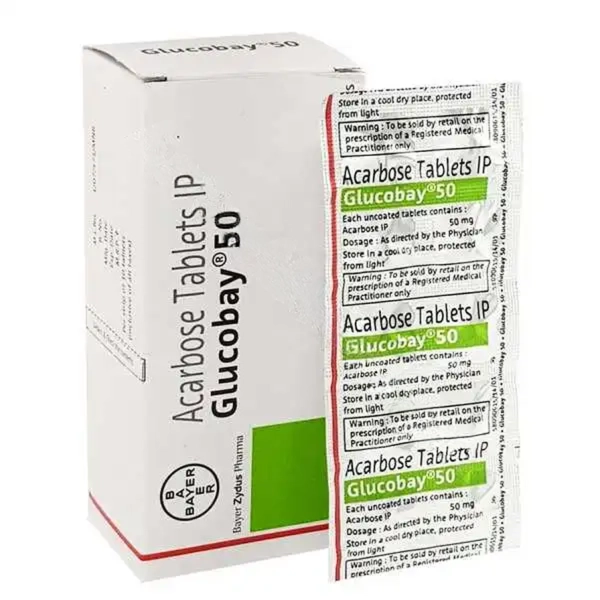
Acarbose 50 mg (Generic)
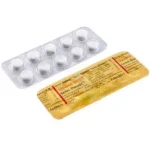
Price range: 38.00$ through 61.00$
Product Overview Acarbose 50 mg is a generic oral antidiabetic medication indicated for the treatment of type 2 diabetes mellitus. It is formulated as film‑coated tablets containing 50 mg of acarbose per tablet. Each strip comprises 10 tablets, and t
| Active Ingredients | Acarbose |
|---|---|
| Delivery Time | 6 To 15 days |
| Indication | Type 2 diabetes |
| Manufacturer | Bayer Zydus Pharma |
| Packaging | 10 tablets in 1 strip |
| Strength | 50mg |
Product Overview
Acarbose 50 mg is a generic oral antidiabetic medication indicated for the treatment of type 2 diabetes mellitus. It is formulated as film‑coated tablets containing 50 mg of acarbose per tablet. Each strip comprises 10 tablets, and the product is packaged in multiple pack sizes — 30, 60, and 90 tablets — to accommodate varying treatment durations. The medication is manufactured by Bayer Zydus Pharma, a reputable pharmaceutical company with a longstanding presence in the diabetes care market.
What is Acarbose 50 mg
Acarbose belongs to the therapeutic class of alpha‑glucosidase inhibitors. It is chemically described as a pseudotetrasaccharide that mimics the transition state of carbohydrate hydrolysis. The active ingredient works locally in the gastrointestinal tract, where it binds to the enzyme alpha‑glucosidase located on the brush border of the small intestine. By doing so, it slows the enzymatic breakdown of complex carbohydrates into glucose, leading to a more gradual rise in post‑prandial blood glucose concentrations. This mechanism distinguishes acarbose from other glucose‑lowering agents that act systemically.
Uses and Benefits
The primary clinical use of acarbose is to improve glycemic control in adults with type 2 diabetes who have not achieved adequate control with diet and exercise alone. When added to metformin, sulfonylureas, or insulin regimens, acarbose has been shown to reduce HbA1c by approximately 0.5% to 0.8% over 24 weeks. In addition to glycemic benefits, acarbose may provide cardiovascular protection in patients with impaired glucose tolerance or early type 2 diabetes. The medication is also associated with a lower incidence of hypoglycemia when used as monotherapy, because it does not stimulate insulin secretion.
Benefits of acarbose extend to weight management, as the drug may modestly reduce body weight due to decreased caloric absorption from carbohydrates. Furthermore, its oral administration route offers convenience, and the dosing schedule aligns with meal timing, reinforcing adherence.
How It Works
Acarbose exerts its pharmacological effect by competitively inhibiting the brush border enzyme alpha‑glucosidase, which cleaves oligosaccharides into absorbable glucose units. The inhibition occurs in the lumen of the small intestine, thereby reducing the rate of carbohydrate digestion and subsequent glucose appearance in the bloodstream. This delayed absorption leads to a blunted post‑prandial glucose spike, which is particularly beneficial after meals rich in complex carbohydrates. The drug’s effect is dose‑dependent and requires the presence of carbohydrates for activity; therefore, it is ineffective in a fasting state. According to the NIH, acarbose’s mechanism is well documented in clinical pharmacology literature.
Pharmacokinetic studies indicate that acarbose is minimally absorbed systemically; the majority of the drug remains in the gastrointestinal tract. It is eliminated primarily through renal excretion as unchanged drug. Because of its limited systemic exposure, acarbose does not significantly interact with hepatic metabolic pathways, making it a favorable option for patients with comorbid hepatic conditions when dose adjustments are observed.
Dosage Guidelines
Initial dosing typically begins with 50 mg taken three times daily, coinciding with the first bite of each main meal. This titration schedule allows the gastrointestinal mucosa to adapt to the enzyme inhibition and helps mitigate gastrointestinal side effects. After a suitable assessment of glycemic response, the dose may be increased to 100 mg three times daily, depending on the patient’s therapeutic goals and tolerability. In patients with renal impairment, the dose should be reduced; for example, a maximum of 50 mg three times daily is recommended for those with severe renal dysfunction (creatinine clearance <30 mL/min).
Patients should be instructed to swallow the tablet whole, without crushing or chewing, to preserve the enteric coating that targets the enzyme in the duodenum. If a dose is missed, the patient should skip the missed dose and resume the regular schedule at the next meal; doubling the dose is not recommended. Regular monitoring of blood glucose and, when appropriate, renal function tests are advised to ensure optimal therapeutic outcomes.
Side Effects
The most commonly reported adverse events are gastrointestinal in nature, including flatulence, abdominal discomfort, and diarrhea. These effects are usually mild to moderate and tend to decrease in frequency with continued therapy as the gut microbiota adapts. Less frequent side effects include dizziness, fatigue, and transient elevations in liver enzymes. Rare but serious adverse reactions may involve hypersensitivity reactions such as rash, pruritus, or angioedema; patients experiencing these symptoms should discontinue the medication and seek medical attention promptly.
Long‑term safety data have not identified any major cardiovascular or oncologic risks associated with acarbose use. Nevertheless, periodic monitoring of hepatic function is recommended at baseline and at intervals of 6 to 12 months, especially in patients with pre‑existing liver disease.
Warnings and Precautions
Acarbose is contraindicated in individuals with a known hypersensitivity to the drug or any of its excipients. Patients with inflammatory bowel disease, ulcerative colitis, or recent gastrointestinal surgery should avoid its use, as the medication may exacerbate gastrointestinal motility disturbances.
Special precautions are required for patients with hepatic impairment; dose reduction is recommended, and close monitoring of liver enzymes is advised. In patients with severe renal insufficiency, the maximum daily dose should not exceed 100 mg, and more frequent renal function assessments are warranted.
When acarbose is co‑administered with insulin or sulfonylureas, the risk of hypoglycemia may increase. Clinicians should adjust the dosage of these concomitant agents and educate patients on recognizing the signs of low blood glucose.
Pregnant or lactating women should only use acarbose if the expected benefit justifies the potential risk, and only under the supervision of a qualified healthcare professional. Animal studies have not demonstrated teratogenic effects, but human data remain limited.
Frequently Asked Questions
Q: How should acarbose be taken with meals? A: Take one tablet with the first bite of each main meal to ensure optimal inhibition of carbohydrate digestion and to maximize post‑prandial glucose control.
Q: Can acarbose be used in combination with insulin therapy? A: Yes, but clinicians should monitor blood glucose closely and may need to reduce the insulin dose to prevent hypoglycemia, especially during the initial titration period.
Q: Is acarbose safe for patients with kidney disease? A: Acarbose can be used in patients with mild to moderate renal impairment at reduced doses; however, in severe renal dysfunction, dose limitation and close monitoring are essential to avoid accumulation.
Q: What is the typical onset of action for acarbose? A: The drug begins to affect glucose absorption within 30 minutes of ingestion, with peak inhibition occurring approximately 2 hours after dosing, making timing of administration crucial for meal‑related glucose spikes.
Q: Are there any dietary restrictions while taking acarbose? A: No strict dietary exclusions are required, but patients should maintain a balanced diet and avoid excessive consumption of high‑sugar foods that could overwhelm the enzyme‑inhibiting capacity of the medication.
Related Products
- Clotrimazole Vaginal Cream 30 g (Generic)
- Canesten Vaginal Cream 30 g (Clotrimazole)
- Dexchlorpheniramine 2mg (Generic)
- Loratadine 10 Mg (Generic)
- Alaspan 10 mg (Loratadine)
- Okamet 500 Mg (Metformin)
- Alaspan AM (Ambroxol/Loratadine)
- Alaspan (Ambroxol/Loratadine)
- Polaramine 2 mg (Dexchlorpheniramine)
- Xarelto 20 mg (Rivaroxaban)
- Nublexa 40 mg (Regorafenib)
- Resihance Tablet (Regorafenib)
Related Products
Product Overview Miglitol 25 mg is a generic oral antidiabetic produced by Glenmark Pharmaceuticals Ltd. Each strip holds fifteen film‑coated tablets, each containing 25 mg of the active ingredient. The product is offered in pack sizes of 30, 60, and
In stock
Product Overview
Bromocriptine 1.25 mg (Generic) is a prescription oral tablet produced by Serum Institute India. Each strip contains ten tablets, and the product is marketed in pack sizes of 30, 60, or 90 tablets to accommodate different treatment
In stock
Metformin 500 mg Generic – Product Overview Metformin 500 mg is a widely prescribed oral antihyperglycemic agent used in the management of Type 2 diabetes mellitus. Manufactured by USV Pvt Ltd, this generic formulation contains the active ingredient
In stock
Product Overview
Linagliptin 5 mg (Generic) is a prescription oral antidiabetic medication produced by the joint venture of Boehringer Ingelheim and Lupin Limited. It is formulated for the management of type 2 diabetes mellitus and is supplied in
In stock
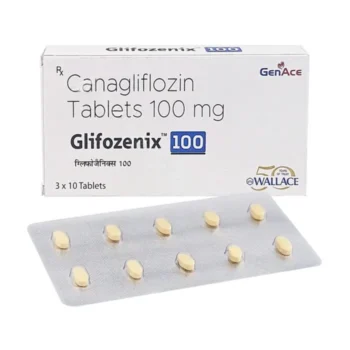
Product Overview Glifozenix 100 mg is a prescription oral medication formulated to help adults with type 2 diabetes mellitus achieve better glycemic control. Manufactured by Wallace Pharmaceuticals Pvt. Ltd., each strip contains ten tablets, each del
In stock
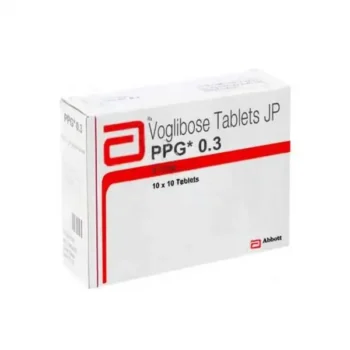
Product Overview Voglibose 0.3 mg tablets, produced by Abbott India Pvt Ltd, belong to the class of alpha‑glucosidase inhibitors and are formulated for the control of postprandial glucose excursions in patients with type 2 diabetes mellitus. Each str
In stock
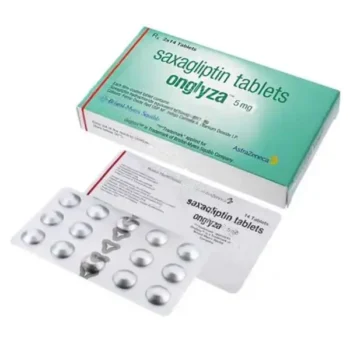
Saxagliptin 5 mg is a prescription oral medication indicated for the management of type 2 diabetes mellitus. Manufactured by AstraZeneca Pharma India Ltd each strip contains 14 film‑coated tablets delivering a consistent 5 mg dose of saxagliptin. T
In stock
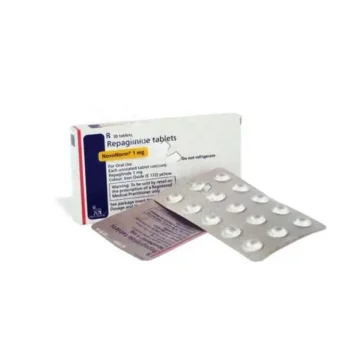
Product Overview Repaglinide 1 mg is a generic oral antidiabetic medication supplied by Novo Nordisk India. Each strip contains 15 tablets, and the product is available in pack sizes of 30, 60, or 90 tablets. It is indicated for the treatment of type
In stock
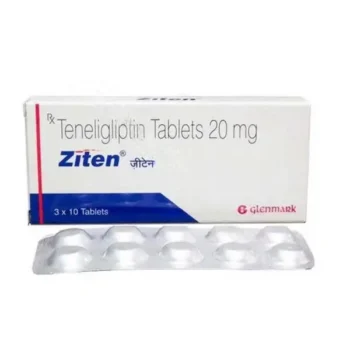
Product Overview
Teneligliptin 20 mg is a generic pharmaceutical product that contains the active ingredient Teneligliptin, classified as a dipeptidyl peptidase‑4 (DPP‑4) inhibitor. It is manufactured by Glenmark Pharmaceuticals Ltd., a globally
In stock
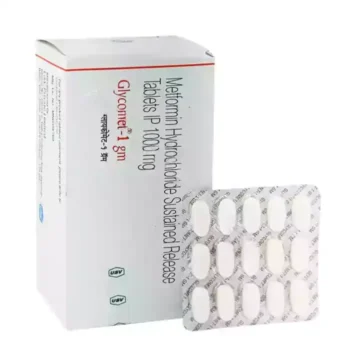
Metformin 1000 mg (Generic) – Diabetes Care Product Overview Metformin 1000 mg is a widely prescribed oral medication used in the management of type 2 diabetes mellitus. Manufactured by USV Pvt Ltd, this generic formulation contains the active ingred
In stock
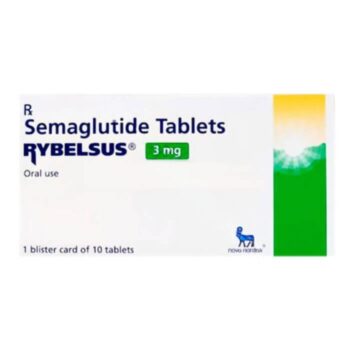
Product Overview Semaglutide 3 mg generic is a prescription medication indicated for the treatment of type 2 diabetes mellitus. It is manufactured by Novo Nordisk India, a globally recognized pharmaceutical company with a strong track record in diabe
In stock

Product Overview Bromocriptine 2.5 mg generic tablets are manufactured by Serum Institute India, a company known for producing affordable generic medicines. The product is supplied in strips of ten tablets, with pack options of 30, 60, or 90 tablets.
In stock
Reviews
There are no reviews yet.