
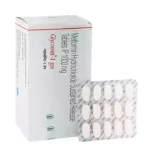
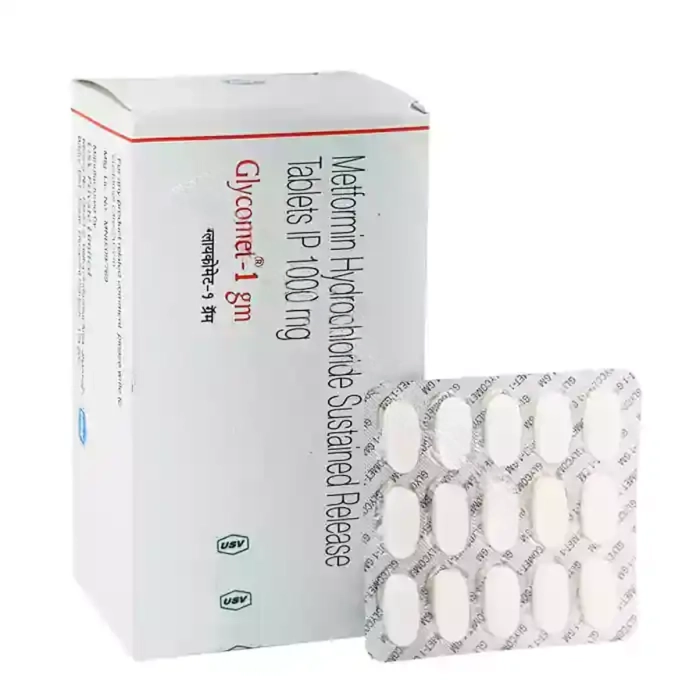
Metformin 1000 mg (Generic)
Price range: 80.00$ through 170.00$
Metformin 1000 mg (Generic) – Diabetes Care Product Overview Metformin 1000 mg is a widely prescribed oral medication used in the management of type 2 diabetes mellitus. Manufactured by USV Pvt Ltd, this generic formulation contains the active ingred
| Pack Size | Price | Quantity | |
|---|---|---|---|
| 90 Tablet/s | 80.00$ | ||
| 180 Tablet/s | 120.00$ | ||
| 270 Tablet/s | 170.00$ |
Metformin 1000 mg (Generic) – Diabetes Care
Product Overview
Metformin 1000 mg is a widely prescribed oral medication used in the management of type 2 diabetes mellitus. Manufactured by USV Pvt Ltd, this generic formulation contains the active ingredient metformin, a biguanide class antidiabetic agent. The product is supplied in strips of 15 tablets, with pack sizes available in 90, 180, or 270 tablets to suit long‑term therapy needs. Delivery typically occurs within 6 to 15 days, making it a convenient option for patients seeking reliable glycemic control. This section provides a comprehensive look at the medication, its indications, and what patients can expect when incorporating it into their diabetes care regimen.
What is Metformin 1000 mg
Metformin 1000 mg refers to a tablet strength of 1000 milligrams of metformin hydrochloride, the most common dosage used when a higher therapeutic effect is required. The medication works by decreasing hepatic glucose production, increasing peripheral insulin sensitivity, and enhancing peripheral glucose uptake. Unlike some other antidiabetic agents, metformin does not stimulate insulin secretion, which reduces the risk of hypoglycemia when used alone. The drug is classified as a first‑line oral therapy for type 2 diabetes according to guidelines from the National Institutes of Health and the U.S. Food and Drug Administration. Its safety profile is well documented, with a low incidence of serious adverse events when used as directed.
Uses and Benefits
The primary use of Metformin 1000 mg is to improve glycemic control in adults with type 2 diabetes mellitus, particularly when lifestyle modifications alone are insufficient. Clinical studies have demonstrated that consistent use of metformin can lower HbA1c levels by approximately 1.5 to 2 percent, a clinically meaningful reduction. In addition to glucose lowering, metformin has been associated with modest weight loss or weight neutrality, which is beneficial for many patients with diabetes who are overweight or obese. The medication also improves insulin sensitivity, reduces hepatic gluconeogenesis, and may contribute to a lower risk of cardiovascular events when combined with appropriate diet and exercise. These benefits make metformin a cornerstone of modern diabetes management.
How It Works
Metformin exerts its antidiabetic effect through multiple mechanisms that collectively reduce blood glucose concentrations. First, it inhibits mitochondrial respiration in the liver, leading to a decrease in hepatic gluconeogenesis, the process by which the liver produces glucose from non‑carbohydrate substrates. Second, metformin enhances peripheral glucose uptake by increasing the expression of insulin‑responsive glucose transporters in muscle and adipose tissue. Third, it modulates the gut microbiota and increases intestinal glucose excretion, further contributing to postprandial glucose control. These actions are performed without stimulating insulin release from pancreatic beta cells, which helps preserve endogenous insulin function over time. The cumulative effect is a sustained reduction in fasting and post‑prandial glucose levels, supporting long‑term glycemic stability.
Dosage Guidelines
Metformin 1000 mg is typically initiated at a lower dose to assess tolerance, often 500 mg once daily with a meal, and then titrated upward as clinically appropriate. The usual maximum daily dose ranges from 2000 mg to 2500 mg, divided into two or three doses depending on the patient’s renal function and therapeutic response. Patients with normal kidney function (eGFR ≥ 60 mL/min/1.73 m²) can safely use the full labeled dose, while those with impaired renal function may require dose reduction or occasional discontinuation. It is essential to take the tablet with food to minimize gastrointestinal upset. For patients transitioning from other antidiabetic agents, the prescribing clinician should adjust the dose gradually to avoid abrupt changes in glucose control. Always follow the dosing instructions provided by the healthcare provider or the product label, and consult a pharmacist or physician if a dose is missed.
Side Effects
Like all medications, Metformin 1000 mg can cause side effects, although many are mild and transient. The most common adverse reactions include gastrointestinal symptoms such as nausea, abdominal discomfort, diarrhea, and occasional vomiting. These effects often diminish after the first few weeks of therapy or with dose titration. In rare cases, metformin can cause lactic acidosis, a serious metabolic condition characterized by accumulation of lactate in the bloodstream. Risk factors for lactic acidosis include severe renal impairment, hepatic disease, heart failure, or conditions that predispose to hypoxia. Patients should be advised to seek immediate medical attention if they experience unexplained muscle pain, rapid breathing, dizziness, or unusual fatigue, which may signal the onset of lactic acidosis. Reporting any persistent or severe side effects to a healthcare professional is recommended.
Warnings and Precautions
Before initiating therapy with Metformin 1000 mg, clinicians should evaluate renal function, as the drug is primarily excreted unchanged by the kidneys. Patients with an estimated glomerular filtration rate (eGFR) below 30 mL/min/1.73 m² should not receive metformin due to an increased risk of accumulation and lactic acidosis. Caution is also advised in individuals with a history of cardiovascular disease, hepatic impairment, or conditions that may lead to dehydration, such as prolonged fasting or the use of diuretics. Alcohol consumption should be limited, as it can potentiate the risk of lactic acidosis. Pregnant or breastfeeding women should discuss the risks and benefits with their physician before use. It is important to store the medication at room temperature, away from moisture and heat, and to keep it out of reach of children. Always verify the expiration date before use and dispose of any expired tablets safely.
Frequently Asked Questions
Question: Can Metformin 1000 mg be taken by patients with type 1 diabetes?
Answer: Metformin is not approved for type 1 diabetes, as the underlying pathophysiology differs and the drug does not address insulin deficiency. It is specifically indicated for type 2 diabetes where insulin resistance is the primary issue.
Question: How long does it take to see a reduction in blood sugar levels after starting Metformin?
Answer: Most patients experience a measurable decrease in fasting glucose within 1‑2 weeks of consistent dosing, with maximal HbA1c lowering typically observed after 2‑3 months of therapy.
Question: Is it safe to use Metformin alongside other diabetes medications?
Answer: Metformin can be combined with several other antidiabetic agents, such as sulfonylureas or SGLT‑2 inhibitors, but dosage adjustments may be necessary to avoid hypoglycemia. Always consult a healthcare provider before adding or changing concomitant medications.
Question: What should I do if I miss a dose of Metformin?
Answer: If a dose is missed, take it as soon as you remember unless it is almost time for the next scheduled dose. In that case, skip the missed dose and resume the regular dosing schedule; do not double up to make up for the missed dose.
Question: Are there dietary restrictions while taking Metformin 1000 mg?
Answer: No specific foods must be avoided, but patients are encouraged to follow a balanced, carbohydrate‑controlled diet and maintain regular physical activity to enhance glycemic control and reduce gastrointestinal side effects.
Related Products
- Erytop Gel (Clindamycin)
- Okamet 500 Mg (Metformin)
- Angispan TR (Nitroglycerin/Glyceryl Trinitrate)
- Angispan TR 2.5 mg (Nitroglycerin/Glyceryl Trinitrate)
- Angispan TR 6.5 mg (Nitroglycerin/Glyceryl Trinitrate)
- Glimepiride 2 mg (Generic)
- Glimepiride 1 mg (Generic)
- Glycomet-GP 0.5 Forte (Metformin/Glimepiride)
- Glycomet-GP 0.5 Tablet (Metformin/Glimepiride)
- Forxiga 5mg (Dapagliflozin)
- Glycomet-GP 1 Tablet (Metformin/Glimepiride)
- Amaryl M 1mg (Metformin/Glimepiride)
Related Products
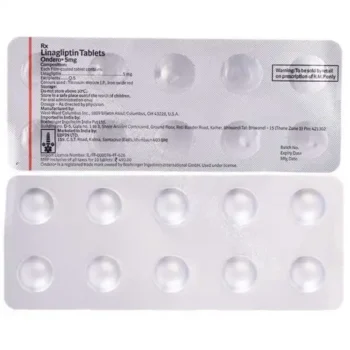
Product Overview
Linagliptin 5 mg (Generic) is a prescription oral antidiabetic medication produced by the joint venture of Boehringer Ingelheim and Lupin Limited. It is formulated for the management of type 2 diabetes mellitus and is supplied in
In stock
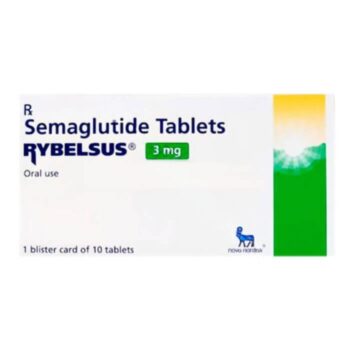
Product Overview Semaglutide 3 mg generic is a prescription medication indicated for the treatment of type 2 diabetes mellitus. It is manufactured by Novo Nordisk India, a globally recognized pharmaceutical company with a strong track record in diabe
In stock
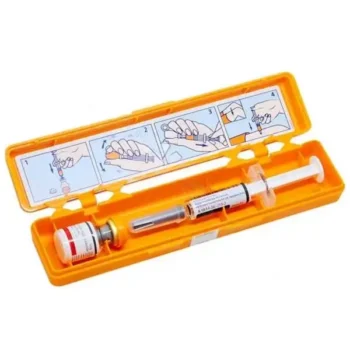
Product Overview
Glucagon Injection (Generic) is a prescription medication indicated for the emergency treatment of severe hypoglycemia in adults and pediatric patients with Diabetes Type 2 who are receiving insulin or other glucose‑lowering agen
In stock
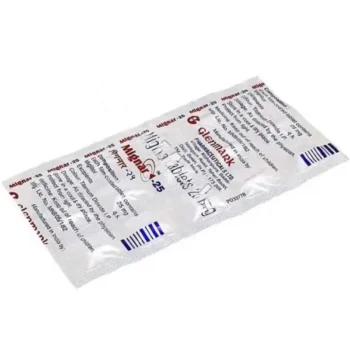
Product Overview Miglitol 25 mg is a generic oral antidiabetic produced by Glenmark Pharmaceuticals Ltd. Each strip holds fifteen film‑coated tablets, each containing 25 mg of the active ingredient. The product is offered in pack sizes of 30, 60, and
In stock
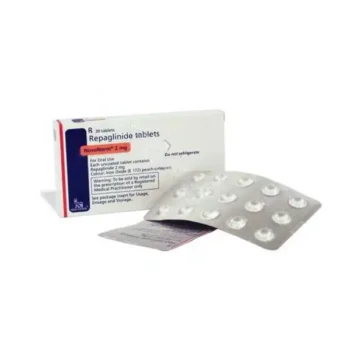
Product Overview Repaglinide 2 mg (Generic) is a prescription oral antidiabetic medication indicated for the management of type 2 diabetes mellitus. Manufactured by Novo Nordisk India this product is supplied in a strip containing 15 tablets each con
In stock
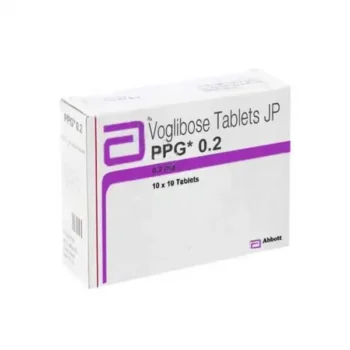
Product Overview
Voglibose 0.2 mg is a generic oral antidiabetic medication manufactured by Abbott India Pvt Ltd. It belongs to the class of alpha-glucosidase inhibitors and is specifically indicated for the treatment of type 2 diabetes mellitus. T
In stock
Product Overview Miglitol 50 mg is a generic oral antidiabetic medication manufactured by Glenmark Pharmaceuticals Ltd. It belongs to the class of alpha‑glucosidase inhibitors and is specifically indicated for the management of type 2 diabetes mellit
In stock
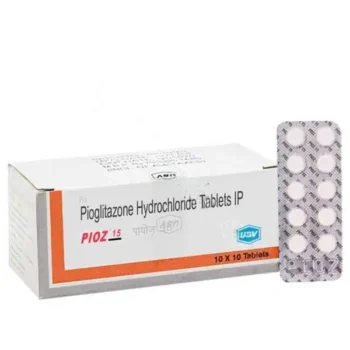
Product Overview
Pioglitazone 15 mg is a prescription oral medication indicated for the management of type 2 diabetes mellitus. It is manufactured by USV Pvt. Ltd. and supplied in a convenient strip containing ten tablets. The product is availabl
In stock
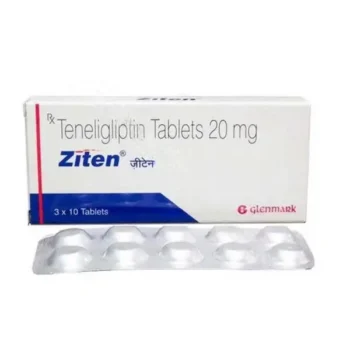
Product Overview
Teneligliptin 20 mg is a generic pharmaceutical product that contains the active ingredient Teneligliptin, classified as a dipeptidyl peptidase‑4 (DPP‑4) inhibitor. It is manufactured by Glenmark Pharmaceuticals Ltd., a globally
In stock
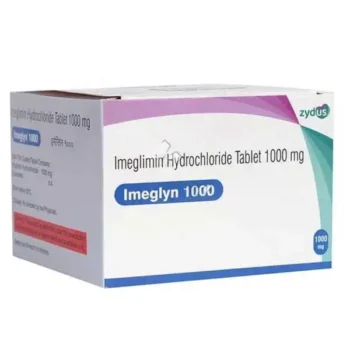
Imeglimin 1000 Mg (Generic) – Product Overview
Imeglimin 1000 Mg is a prescription antidiabetic medication manufactured by Zydus Lifesciences. It is formulated as a tablet that delivers a 1000 Mg dose of the active ingredient imeglimin. The product
In stock
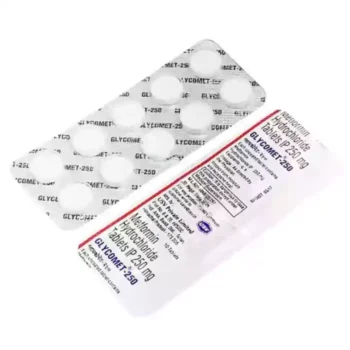
Product Overview Metformin 250 mg is a generic oral antihyperglycemic agent manufactured by USV Pvt Ltd. It is formulated for the management of type 2 diabetes mellitus. Each strip contains 10 tablets, each delivering 250 mg of metformin. The product
In stock
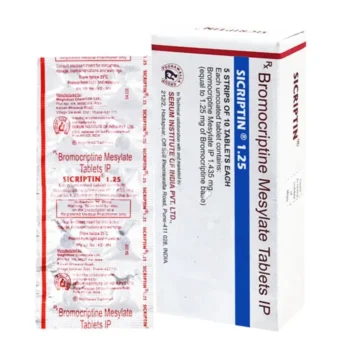
Product Overview
Bromocriptine 1.25 mg (Generic) is a prescription oral tablet produced by Serum Institute India. Each strip contains ten tablets, and the product is marketed in pack sizes of 30, 60, or 90 tablets to accommodate different treatment
In stock
Reviews
There are no reviews yet.