
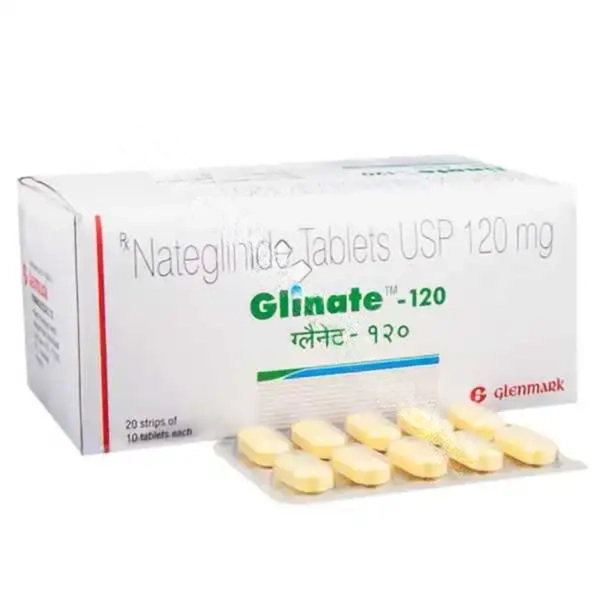
Nateglinide 120 mg (Generic)
Price range: 41.00$ through 70.00$
Product Overview
Nateglinide 120 mg is a generic oral antidiabetic medication manufactured by Glenmark Pharmaceuticals Ltd. It belongs to the meglitinide class of drugs and is specifically indicated for the management of type 2 diabetes mellitus. T
| Active Ingredients | Nateglinide |
|---|---|
| Delivery Time | 6 To 15 days |
| Indication | Type 2 diabetes |
| Manufacturer | Glenmark Pharmaceuticals Ltd. |
| Packaging | 10 tablets in 1 strip |
| Strength | 120mg |
| Pack Size | Price | Quantity | |
|---|---|---|---|
| 30 Tablet/s | 41.00$ | ||
| 60 Tablet/s | 54.00$ | ||
| 90 Tablet/s | 70.00$ |
Product Overview
Nateglinide 120 mg is a generic oral antidiabetic medication manufactured by Glenmark Pharmaceuticals Ltd. It belongs to the meglitinide class of drugs and is specifically indicated for the management of type 2 diabetes mellitus. The product is supplied in a strip containing ten tablets, each tablet delivering a fixed strength of 120 mg of nateglinide. Pack sizes of 30, 60, and 90 tablets are available to accommodate varying treatment durations. The medication is formulated for oral administration and should be taken immediately before the main meal of the day to achieve optimal post‑prandial glucose control. This overview provides a comprehensive, medically responsible description of the product, its therapeutic role, and practical considerations for patients and healthcare professionals seeking reliable diabetes care options.
What is Nateglinide
Nateglinide is a short‑acting, non‑sulfonylurea oral hypoglycemic agent that lowers blood glucose by stimulating rapid insulin release from pancreatic beta cells in response to food‑induced rises in blood sugar. Unlike longer‑acting secretagogues, nateglinide has a rapid onset (within 15‑30 minutes) and a brief duration of action (approximately 4‑6 hours), making it particularly suitable for controlling post‑prandial glucose excursions. The drug is chemically described as a meglitinide derivative and is classified as a mealtime insulin secretagogue. Generic formulations, such as the 120 mg tablet presented here, contain the same active ingredient as the reference brand but are offered at a cost‑effective price point, thereby increasing access to effective diabetes therapy.
Uses and Benefits
The primary use of nateglinide 120 mg is to improve glycemic control in adults with type 2 diabetes who do not achieve adequate glucose regulation through diet and exercise alone. When used as part of a comprehensive management plan, nateglinide helps to reduce HbA1c levels, lower fasting and post‑prandial glucose concentrations, and diminish the risk of microvascular complications associated with chronic hyperglycemia. Clinical studies have demonstrated that mealtime dosing of nateglinide can produce a modest but clinically meaningful reduction in overall glucose exposure without significantly increasing the incidence of hypoglycemia when compared with some other secretagogues. Additionally, the medication is generally well tolerated, has a low propensity for weight gain, and can be combined with other oral antidiabetic agents or insulin when necessary.
How It Works
Nateglinide exerts its pharmacological effect by binding to the ATP‑sensitive potassium channels on the surface of pancreatic beta cells, leading to membrane depolarization and subsequent calcium influx. This cascade triggers the vesicular fusion and release of stored insulin granules into the bloodstream. Because the drug’s activity is glucose‑dependent, insulin secretion is proportional to the rise in blood glucose after a meal, thereby minimizing the likelihood of excessive insulin release during fasting states. The rapid onset and short duration of action differentiate nateglinide from other oral hypoglycemics, allowing it to act as a physiological “prandial brake” that curtails the post‑meal glucose spike. This mechanism also contributes to a lower risk of hypoglycemia when the medication is used according to recommended dosing schedules.
Dosage Guidelines
Dosage of nateglinide must be individualized based on the patient’s glycemic status, renal function, concomitant medications, and overall health profile. The typical starting dose is 120 mg taken orally before the main meal of the day; the dose may be titrated upward in increments of 120 mg to a maximum of 360 mg per day, divided across multiple meals if clinically indicated. Adjustments are recommended for patients with impaired renal function, as the drug is primarily cleared through hepatic metabolism rather than renal excretion, but dose reduction is still advised in severe renal impairment. It is essential that patients follow the guidance of their prescribing clinician and undergo regular monitoring of blood glucose to assess therapeutic response and adjust dosing as needed. The medication should be taken whole, without crushing or chewing, to ensure consistent absorption.
Side Effects
Like all pharmaceutical agents, nateglinide 120 mg may be associated with adverse effects, although most are mild and transient. The most commonly reported side effects include nasopharyngitis, urinary tract infections, and mild hypoglycemia, particularly when the drug is used in combination with other glucose‑lowering therapies. Less frequent adverse events may involve headache, dizziness, and gastrointestinal discomfort such as nausea or abdominal pain. Rarely, patients may experience elevated liver enzymes, necessitating periodic liver function testing. Patients should be instructed to report persistent or severe side effects promptly, and healthcare providers should evaluate any signs of hypoglycemia, especially in elderly individuals or those with compromised renal function.
Warnings and Precautions
Prior to initiating therapy with nateglinide, clinicians should assess patients for a history of hypersensitivity to the drug or any of its excipients. Caution is advised in patients with moderate to severe hepatic impairment, as the medication is metabolized primarily by the liver. Concomitant use with certain drugs that influence hepatic enzymes may alter nateglinide exposure, requiring dose adjustments. Additionally, the medication should be used with caution in patients with adrenal or pituitary insufficiency, as these conditions can predispose to hypoglycemia. FDA recommends monitoring liver function in patients with hepatic impairment. The product should be stored at room temperature, away from moisture and heat, and kept out of reach of children.
Frequently Asked Questions
What is the recommended starting dose of nateglinide 120 mg?
The usual starting dose is one tablet of 120 mg taken before the main meal of the day. Dose titration is performed based on the patient’s glycemic response and tolerability, with a typical maximum daily dose of 360 mg divided across multiple meals.
Can nateglinide be used in patients with type 1 diabetes?
No, nateglinide is specifically indicated for the treatment of type 2 diabetes mellitus. It is not approved for use in patients with type 1 diabetes or for the treatment of diabetic ketoacidosis.
Is hypoglycemia a common side effect when using nateglinide?
Hypoglycemia is generally uncommon when nateglinide is used as monotherapy. However, the risk increases when the medication is combined with other insulin secretagogues, insulin, or certain oral antidiabetic agents, necessitating careful monitoring.
How should the medication be stored to maintain efficacy?
Store nateglinide tablets at room temperature, away from moisture and heat. Keep the strip sealed until ready for use, and ensure that the product is kept out of reach of children and pets.
Where can I find more detailed prescribing information for nateglinide?
Comprehensive prescribing details, including drug interactions and contraindications, are available on the FDA’s drug label database and on reputable medical resources such as MedlinePlus and the NIH’s National Library of Medicine. NIH
Related Products
- Tazret Gel 0.05% (Tazarotene)
- Tazret Forte Cream (Tazarotene)
- Apremilast 30 mg (Generic)
- Aprezo 30 mg (Apremilast)
- Tazarotene Gel 0.05% (Generic)
- Tazarotene Cream (Generic)
- Flucort Cream (Fluocinolone)
- Flucort Cream 20gm (Fluocinolone)
- Flucort N Cream (Fluocinolone/Neomycin)
- Flucort C Cream (Fluocinolone/Ciclopirox)
- Flucort H Cream (Fluocinolone)
- Halovate Cream (Halobetasol)
Related Products
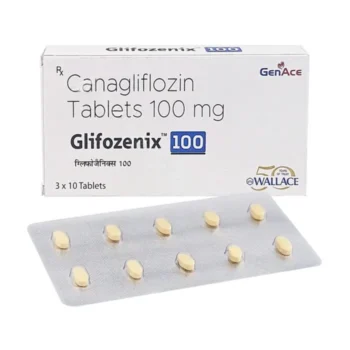
Product Overview Glifozenix 100 mg is a prescription oral medication formulated to help adults with type 2 diabetes mellitus achieve better glycemic control. Manufactured by Wallace Pharmaceuticals Pvt. Ltd., each strip contains ten tablets, each del
In stock

Product Overview Bromocriptine 2.5 mg generic tablets are manufactured by Serum Institute India, a company known for producing affordable generic medicines. The product is supplied in strips of ten tablets, with pack options of 30, 60, or 90 tablets.
In stock
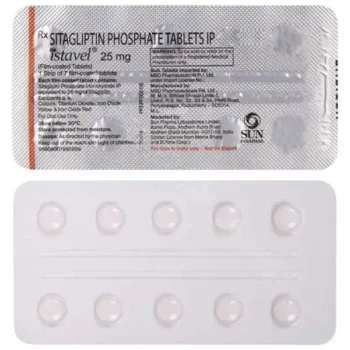
Product Overview
Sitagliptin 25 Mg, supplied by Sun Pharmaceutical Industries Ltd, is a prescription oral medication indicated for the management of type 2 diabetes mellitus. Each strip contains ten tablets, each delivering a precise 25 mg dose o
In stock
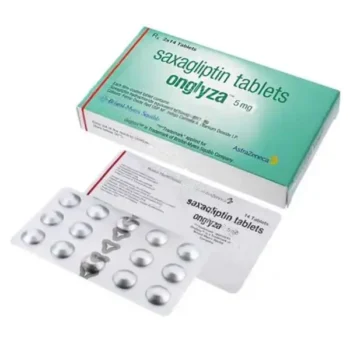
Saxagliptin 5 mg is a prescription oral medication indicated for the management of type 2 diabetes mellitus. Manufactured by AstraZeneca Pharma India Ltd each strip contains 14 film‑coated tablets delivering a consistent 5 mg dose of saxagliptin. T
In stock
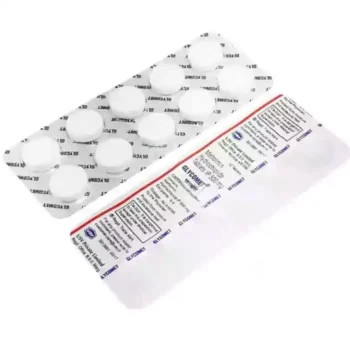
Metformin 500 mg Generic – Product Overview Metformin 500 mg is a widely prescribed oral antihyperglycemic agent used in the management of Type 2 diabetes mellitus. Manufactured by USV Pvt Ltd, this generic formulation contains the active ingredient
In stock
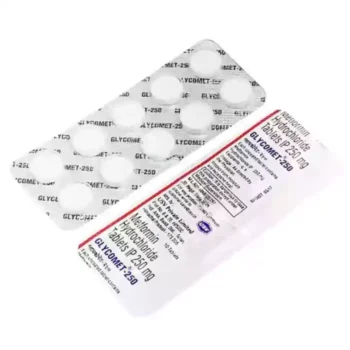
Product Overview Metformin 250 mg is a generic oral antihyperglycemic agent manufactured by USV Pvt Ltd. It is formulated for the management of type 2 diabetes mellitus. Each strip contains 10 tablets, each delivering 250 mg of metformin. The product
In stock
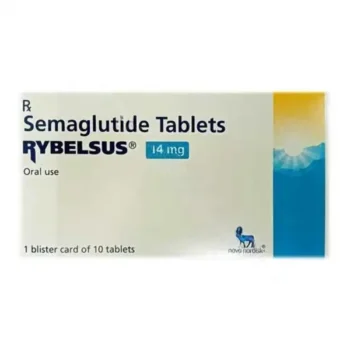
Product Overview
Semaglutide 14 mg (Generic) is a prescription oral medication indicated for the management of Type 2 diabetes mellitus. Manufactured by Novo Nordisk India, the product is supplied in strips containing ten tablets, with pack sizes a
In stock
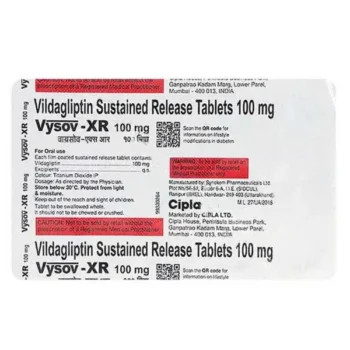
Product Overview
Vildagliptin Sustained Release 100 Mg (Generic) is a prescription oral medication indicated for the management of Type 2 diabetes mellitus. Manufactured by Cipla Limited, this formulation belongs to the class of dipeptidyl peptidas
In stock
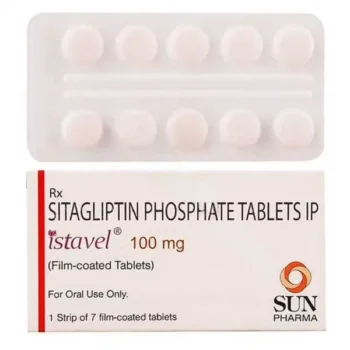
Product Overview Sitagliptin 100 Mg (Generic) is an oral antidiabetic medication indicated for the management of type 2 diabetes mellitus. Manufactured by Sun Pharmaceutical Industries Ltd, this product is supplied in packs containing 10 tablets per
In stock
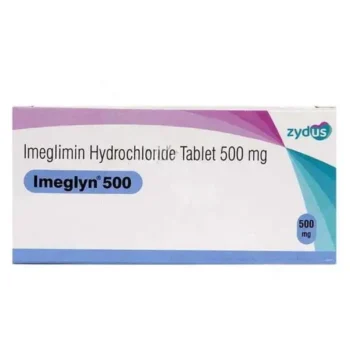
Product Overview Imeglimin 500 Mg is a prescription oral medication formulated for the management of type 2 diabetes mellitus. Manufactured by Zydus Lifesciences, the product is supplied in a convenient strip containing ten tablets, each delivering a
In stock
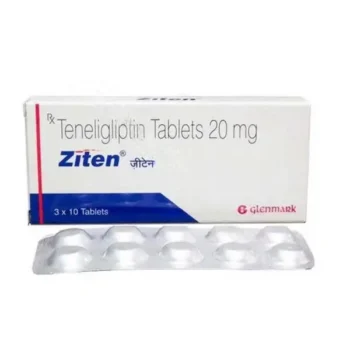
Product Overview
Teneligliptin 20 mg is a generic pharmaceutical product that contains the active ingredient Teneligliptin, classified as a dipeptidyl peptidase‑4 (DPP‑4) inhibitor. It is manufactured by Glenmark Pharmaceuticals Ltd., a globally
In stock
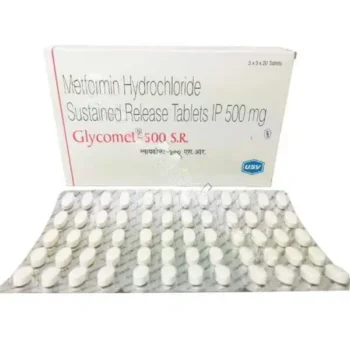
Product Overview Metformin Sustained Release 500 Mg (Generic) is a prescription oral antihyperglycemic agent formulated for the management of type 2 diabetes mellitus. Produced by USV Pvt Ltd, this tablet belongs to the biguanide class and delivers t
In stock
Reviews
There are no reviews yet.