
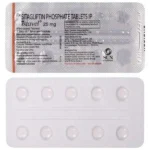

Sitagliptin 25 Mg (Generic)
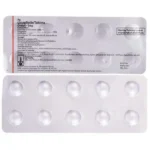
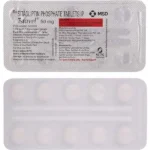
Price range: 70.00$ through 140.00$
Product Overview
Sitagliptin 25 Mg, supplied by Sun Pharmaceutical Industries Ltd, is a prescription oral medication indicated for the management of type 2 diabetes mellitus. Each strip contains ten tablets, each delivering a precise 25 mg dose o
| Active Ingredients | Sitagliptin |
|---|---|
| Delivery Time | 6 To 15 days |
| Indication | Diabetes Type 2 |
| Manufacturer | Sun Pharmaceutical Industries Ltd |
| Packaging | 10 tablets in 1 strip |
| Strength | 25mg |
| Pack Size | Price | Quantity | |
|---|---|---|---|
| 100 Tablet/s | 70.00$ | ||
| 200 Tablet/s | 110.00$ | ||
| 300 Tablet/s | 140.00$ |
Product Overview
Sitagliptin 25 Mg, supplied by Sun Pharmaceutical Industries Ltd, is a prescription oral medication indicated for the management of type 2 diabetes mellitus. Each strip contains ten tablets, each delivering a precise 25 mg dose of the active ingredient sitagliptin. The product is packaged in multiple supply options, including 100, 200, and 300 tablets, allowing patients and clinicians to select the most appropriate quantity for ongoing therapy. Marketed as a generic equivalent to reference brands, this formulation meets the same rigorous quality standards while offering a cost‑effective solution for long‑term glycemic control.
What is Sitagliptin 25 Mg
Sitagliptin belongs to the class of dipeptidyl‑peptidase‑4 (DPP‑4) inhibitors, a group of agents that enhance the body’s natural incretin hormones. By blocking the DPP‑4 enzyme, sitagliptin slows the degradation of glucagon‑like peptide‑1 (GLP‑1) and glucose‑dependent insulinotropic polypeptide (GIP), thereby promoting glucose‑dependent insulin secretion and suppressing hepatic glucagon release. The 25 mg strength is the standard dose recommended for adults with type 2 diabetes who require additional glycemic control when diet and exercise alone are insufficient. This medication is not intended for use in patients with type 1 diabetes or for the treatment of diabetic ketoacidosis.
Uses and Benefits
The primary therapeutic use of sitagliptin 25 Mg is to lower fasting and post‑prandial glucose levels in adults diagnosed with type 2 diabetes mellitus. Clinical studies have demonstrated that addition of sitagliptin to metformin, sulfonylureas, or other oral antihyperglycemic agents yields modest but clinically meaningful reductions in HbA1c, typically ranging from 0.5 % to 1.0 % when used as monotherapy or in combination therapy. Patients often experience improved beta‑cell function, reduced risk of hypoglycemia compared with sulfonylureas, and the convenience of once‑dayly dosing. In real‑world practice, the medication supports sustained glycemic control, which can decrease the likelihood of diabetes‑related complications such as cardiovascular events, nephropathy, and retinopathy.
How It Works
Sitagliptin exerts its pharmacological effect by selectively inhibiting the DPP‑4 enzyme, which is responsible for cleaving incretin hormones after meals. When DPP‑4 activity is reduced, circulating levels of GLP‑1 and GIP rise, leading to enhanced insulin secretion from pancreatic beta cells only when glucose concentrations are elevated. This glucose‑dependent mechanism minimizes the risk of excessive insulin release and subsequent hypoglycemia. Additionally, sitagliptin reduces glucagon secretion from alpha cells, further contributing to a balanced glucose homeostasis. The drug’s half‑life of approximately 12 hours allows for once‑dayly administration, and it is primarily eliminated unchanged through the kidneys, necessitating dose adjustment in patients with severe renal impairment.
Dosage Guidelines
For most adult patients with type 2 diabetes, the recommended starting dose of sitagliptin 25 Mg is 100 mg once daily, which may be titrated to 25 mg based on clinical response. The 25 mg strength is indicated for patients at increased risk of hypoglycemia or those with renal impairment. The tablet should be taken orally with or without food, preferably at the same time each day. In patients with moderate to severe renal impairment (eGFR < 45 mL/min/1.73 m²), the dose should be limited to 25 mg once daily. Always follow the prescribing clinician’s instructions and monitor renal function and glycemic control regularly.
Side Effects
Like all pharmaceutical agents, sitagliptin 25 Mg may be associated with adverse effects, although most are mild and transient. The most frequently reported side events include nasopharyngitis, urinary tract infections, and headache. Less common but clinically significant reactions comprise pancreatitis, severe joint pain, and hypersensitivity manifestations such as rash or angioedema. Rare post‑marketing observations have identified cases of hypoglycemia when sitagliptin is combined with insulin or sulfonylureas, underscoring the importance of dose adjustment in these scenarios. Patients should be advised to report persistent gastrointestinal symptoms, unexplained muscle pain, or signs of allergic reaction to their healthcare provider promptly. Regular safety monitoring and patient education are essential components of effective diabetes management.
Warnings and Precautions
Prior to initiating therapy with sitagliptin 25 Mg, clinicians should assess patients for potential contraindications and risk factors that may influence treatment decisions. Important warnings include the possibility of hypersensitivity reactions that may necessitate discontinuation of the drug, as well as the need for dose modification in individuals with impaired renal function. Caution is advised when prescribing to patients with a history of pancreatitis, as post‑marketing data suggest a low but real incidence of this adverse event. Additionally, because sitagliptin is eliminated primarily via the kidneys, dosage adjustments are required for those with moderate to severe renal insufficiency to prevent drug accumulation and potential toxicity. Pregnant and lactating women should only use the medication if the expected benefit justifies the potential risk, and they should be instructed to consult their physician before use. Overall, adherence to established prescribing guidelines helps ensure safe and effective use of this agent in the management of type 2 diabetes. For detailed safety information, refer to the U.S. Food and Drug Administration.
Frequently Asked Questions
What is the recommended starting dose of Sitagliptin 25 Mg?
The typical initiating dose for most adults with type 2 diabetes is 100 mg once daily. However, the 25 mg formulation is specifically indicated for patients who require a lower dose due to renal impairment, concomitant medications that increase hypoglycemia risk, or when clinicians decide a gradual titration is appropriate. It is essential to follow the prescribing information and to adjust the dose based on individualized glycemic targets and tolerability, rather than adopting a one‑size‑fits‑all approach. Patients should be monitored for changes in blood glucose and renal function, and any adverse reactions should be reported promptly.
Can Sitagliptin 25 Mg be used in patients with renal impairment?
Yes, but dosage adjustments are required. In patients with moderate to severe renal impairment (estimated glomerular filtration rate < 45 mL/min/1.73 m²), the recommended dose is 25 mg once daily. For those with mild renal dysfunction (eGFR 45‑60 mL/min/1.73 m²), a 50 mg dose may be considered, although the 25 mg strength is often preferred for simplicity. Regular laboratory monitoring of kidney function is essential, and clinicians should avoid using higher strengths in patients whose clearance is significantly reduced, as this could lead to drug accumulation and an increased risk of side effects.
Is Sitagliptin 25 Mg associated with hypoglycemia?
When used as monotherapy, sitagliptin has a low potential for causing hypoglycemia because its action is glucose‑dependent. However, the risk increases when the drug is combined with insulin secretagogues such as sulfonylureas or with insulin therapy. In such cases, dose reduction of the concomitant medication is recommended to minimize the possibility of low blood glucose episodes. Patients should be educated about the signs of hypoglycemia, including dizziness, sweating, and confusion, and instructed to treat episodes promptly with glucose‑containing foods or beverages.
How does Sitagliptin 25 Mg differ from other oral antidiabetic agents?
Sitagliptin belongs to the DPP‑4 inhibitor class, which distinguishes it from sulfonylureas, metformin, and SGLT‑2 inhibitors through its unique mechanism of action. Unlike sulfonylureas that stimulate insulin release regardless of glucose levels, sitagliptin enhances incretin hormones only when glucose is elevated, thereby reducing the likelihood of hypoglycemia. Compared with metformin, it does not exert a primary effect on hepatic glucose production, and it is generally better tolerated in patients who cannot tolerate gastrointestinal side effects. Additionally, its once‑dayly dosing and renal‑excreted elimination profile provide flexibility for patients with varying comorbidities.
Where can I find more information about the safety and prescribing details of Sitagliptin 25 Mg?
Comprehensive prescribing information, including adverse reaction rates, drug interaction data, and storage requirements, is available on the official product label and through regulatory agencies such as the U.S. Food and Drug Administration (FDA). For consumer‑friendly guidance, the National Institutes of Health and MedlinePlus provide evidence‑based summaries that explain the benefits and risks of DPP‑4 inhibitors in plain language. Healthcare professionals are encouraged to consult these authoritative sources and to discuss any questions with their prescribing clinician before initiating or modifying therapy.
Related Products
- Famotidine 20mg (Generic)
- Omesec 20 mg (Omeprazole)
- Pantocid DSR (Pantoprazole/Domperidone)
- Famotidine 40mg (Generic)
- Famocid 20mg (Famotidine)
- Famocid 40mg (Famotidine)
- Famocid (Famotidine)
- Supatret 0.04% Gel (Tretinoin)
- Supatret 0.1% Gel (Tretinoin)
- Supatret C Gel (Clindamycin/Tretinoin)
- Supatret Gel (Tretinoin)
- Acitretin 25mg (Generic)
Related Products
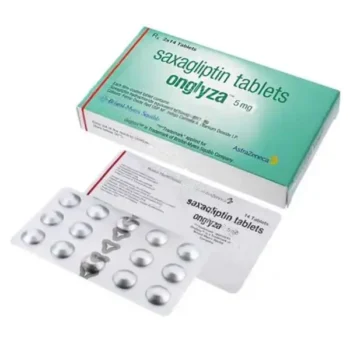
Saxagliptin 5 mg is a prescription oral medication indicated for the management of type 2 diabetes mellitus. Manufactured by AstraZeneca Pharma India Ltd each strip contains 14 film‑coated tablets delivering a consistent 5 mg dose of saxagliptin. T
In stock
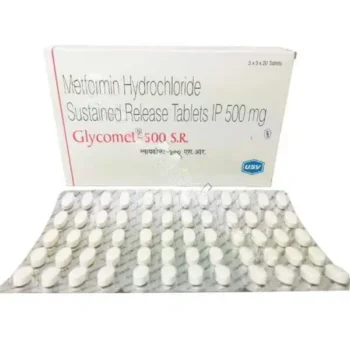
Product Overview Metformin Sustained Release 500 Mg (Generic) is a prescription oral antihyperglycemic agent formulated for the management of type 2 diabetes mellitus. Produced by USV Pvt Ltd, this tablet belongs to the biguanide class and delivers t
In stock
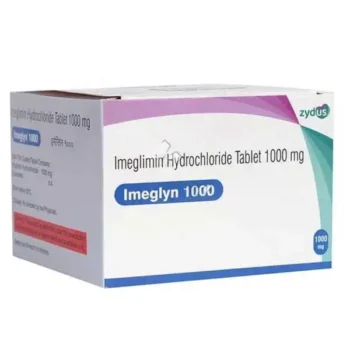
Imeglimin 1000 Mg (Generic) – Product Overview
Imeglimin 1000 Mg is a prescription antidiabetic medication manufactured by Zydus Lifesciences. It is formulated as a tablet that delivers a 1000 Mg dose of the active ingredient imeglimin. The product
In stock
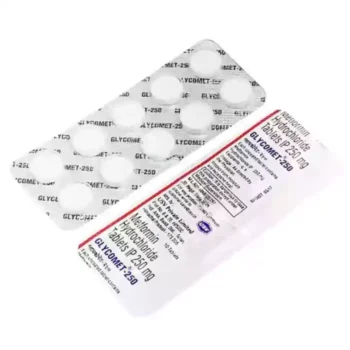
Product Overview Metformin 250 mg is a generic oral antihyperglycemic agent manufactured by USV Pvt Ltd. It is formulated for the management of type 2 diabetes mellitus. Each strip contains 10 tablets, each delivering 250 mg of metformin. The product
In stock
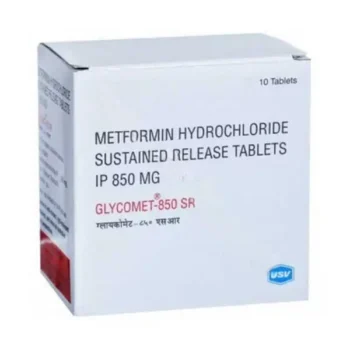
Product Overview
Metformin Sustained Release 850 mg is a prescription oral antihyperglycemic agent formulated for the management of type 2 diabetes mellitus. Produced by USV Pvt Ltd, this generic formulation delivers the active ingredient in a cont
In stock
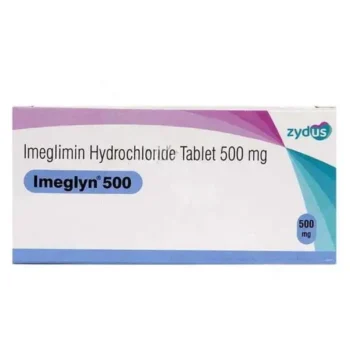
Product Overview Imeglimin 500 Mg is a prescription oral medication formulated for the management of type 2 diabetes mellitus. Manufactured by Zydus Lifesciences, the product is supplied in a convenient strip containing ten tablets, each delivering a
In stock
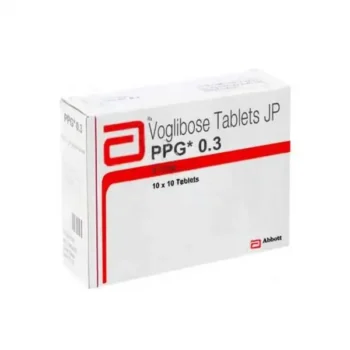
Product Overview Voglibose 0.3 mg tablets, produced by Abbott India Pvt Ltd, belong to the class of alpha‑glucosidase inhibitors and are formulated for the control of postprandial glucose excursions in patients with type 2 diabetes mellitus. Each str
In stock
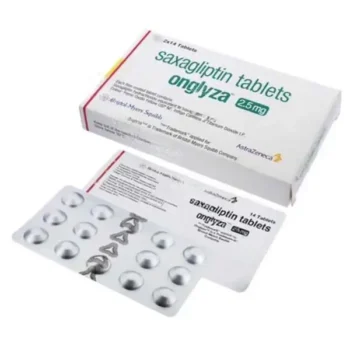
Product Overview Saxagliptin 2.5 mg is a generic formulation of a dipeptidyl peptidase‑4 (DPP‑4) inhibitor used in the management of type 2 diabetes mellitus. Manufactured by AstraZeneca Pharma India Ltd , the product is supplied in a strip containi
In stock
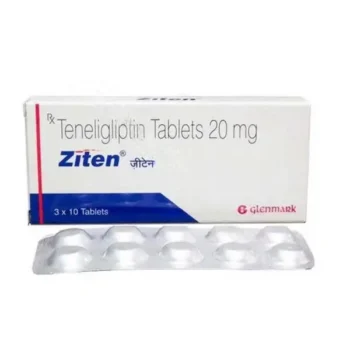
Product Overview
Teneligliptin 20 mg is a generic pharmaceutical product that contains the active ingredient Teneligliptin, classified as a dipeptidyl peptidase‑4 (DPP‑4) inhibitor. It is manufactured by Glenmark Pharmaceuticals Ltd., a globally
In stock
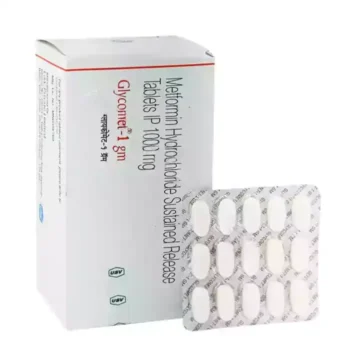
Metformin 1000 mg (Generic) – Diabetes Care Product Overview Metformin 1000 mg is a widely prescribed oral medication used in the management of type 2 diabetes mellitus. Manufactured by USV Pvt Ltd, this generic formulation contains the active ingred
In stock
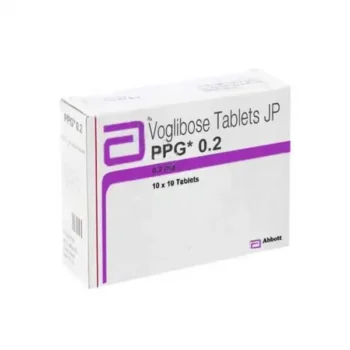
Product Overview
Voglibose 0.2 mg is a generic oral antidiabetic medication manufactured by Abbott India Pvt Ltd. It belongs to the class of alpha-glucosidase inhibitors and is specifically indicated for the treatment of type 2 diabetes mellitus. T
In stock
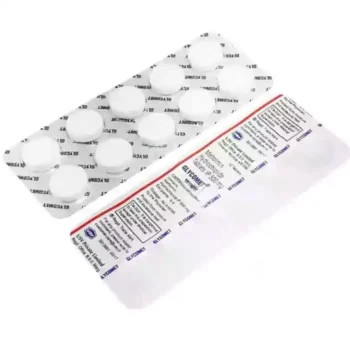
Metformin 500 mg Generic – Product Overview Metformin 500 mg is a widely prescribed oral antihyperglycemic agent used in the management of Type 2 diabetes mellitus. Manufactured by USV Pvt Ltd, this generic formulation contains the active ingredient
In stock
Reviews
There are no reviews yet.