
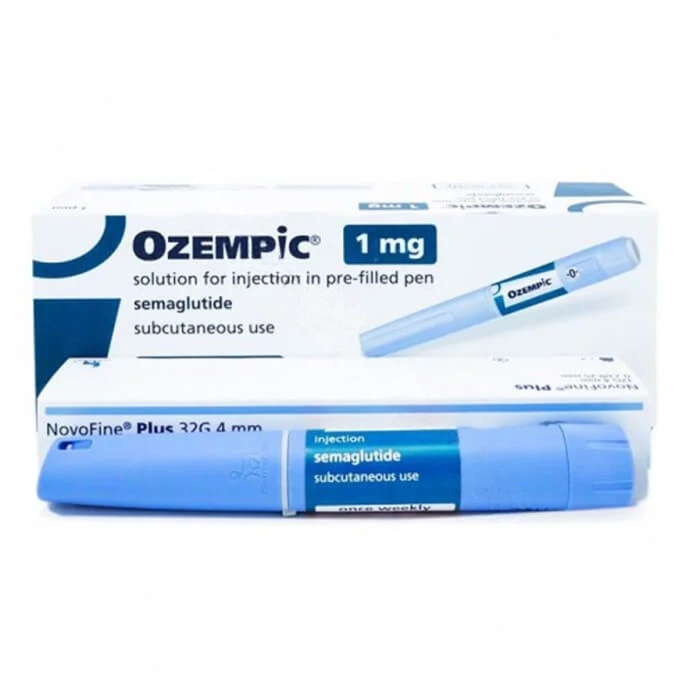
Ozempic 1 mg (Semaglutide)
Price range: 600.00$ through 1,520.00$
Product Overview
Ozempic 1 mg is a once‑weekly injectable medication that contains semaglutide, a glucagon‑like peptide‑1 (GLP‑1) receptor agonist. It is indicated for the treatment of type 2 diabetes mellitus in adults when diet and exercise alone
| Active Ingredients | Semaglutide |
|---|---|
| Delivery Time | 6 To 15 days |
| Indication | Type 2 diabetes |
| Manufacturer | Novo Nordisk India |
| Packaging | 1 Pen & 4 Disposable Needles |
| Strength | 1mg |
| Pack Size | Price | Quantity | |
|---|---|---|---|
| 1 Pen | 600.00$ | ||
| 2 Pen/s | 1,050.00$ | ||
| 3 Pen/s | 1,520.00$ |
Product Overview
Ozempic 1 mg is a once‑weekly injectable medication that contains semaglutide, a glucagon‑like peptide‑1 (GLP‑1) receptor agonist. It is indicated for the treatment of type 2 diabetes mellitus in adults when diet and exercise alone are insufficient to achieve glycemic control. The product is supplied as a pre‑filled pen with four disposable needles, offering a convenient and discreet method of administration. Each pen delivers a fixed dose of 1 mg semaglutide, which corresponds to the recommended starting strength for most patients initiating GLP‑1 therapy. The formulation is manufactured by Novo Nordisk India, a subsidiary of the global pharmaceutical leader Novo Nordisk, ensuring consistent quality and compliance with international regulatory standards. Proper storage is essential: unopened pens should be kept refrigerated at 2 °C to 8 °C, while an opened pen may be kept at room temperature (up to 30 °C) for a maximum of six weeks before disposal. Used needles must be discarded in a puncture‑proof container according to local regulations.
What is Ozempic?
Ozempic belongs to a class of drugs known as GLP‑1 receptor agonists, which mimic the action of the incretin hormones released by the gut after meals. By binding to GLP‑1 receptors in the pancreas, semaglutide stimulates glucose‑dependent insulin secretion, suppresses glucagon release, and slows gastric emptying. These combined effects lead to improved blood‑glucose control and modest weight loss, making Ozempic a valuable option for patients with type 2 diabetes who also struggle with overweight or obesity. The medication is approved by the U.S. Food and Drug Administration (FDA) and has been evaluated in large cardiovascular outcomes trials, such as the SUSTAIN and PIONEER studies, which demonstrated a reduction in major adverse cardiovascular events in high‑risk patients. For scientific details, consult the National Institutes of Health (NIH) database (semaglutide mechanism of action).
Uses and Benefits
Ozempic is primarily prescribed to improve glycemic control in adults with type 2 diabetes mellitus. In clinical practice, patients often experience a reduction in HbA1c levels ranging from 0.5 % to 1.5 % when the drug is used as monotherapy or in combination with metformin or sulfonylureas. Beyond glucose lowering, the medication offers cardiovascular benefits, including a decreased risk of myocardial infarction and stroke, particularly in individuals with existing heart disease. Additionally, many users report modest weight loss, which can further enhance insulin sensitivity and overall metabolic health. The weight‑loss effect is thought to stem from the drug’s action on appetite centers in the brain, leading to reduced caloric intake over time. These benefits make Ozempic a comprehensive therapeutic option for patients seeking both glucose regulation and cardiovascular risk reduction. For detailed prescribing information, refer to the official FDA label (FDA prescribing information).
How It Works
The active ingredient, semaglutide, is a synthetic analogue of the naturally occurring hormone glucagon‑like peptide‑1 (GLP‑1). After subcutaneous injection, semaglutide binds to GLP‑1 receptors on pancreatic beta cells, stimulating glucose‑dependent insulin secretion and suppressing glucagon release. This results in lower post‑prandial glucose levels and reduced hepatic glucose production. In addition, semaglutide slows gastric emptying, which increases satiety and reduces appetite. The drug has a half‑life of about one week, allowing for once‑weekly dosing and maintaining steady plasma concentrations. Its resistance to DPP‑4 degradation prolongs its activity compared with shorter‑acting GLP‑1 agonists. For detailed pharmacology, see the NIH resource (semaglutide mechanism of action).
Dosage Guidelines
Treatment with Ozempic 1 mg begins with a 0.25 mg subcutaneous injection in the abdomen, thigh, or upper arm. After four weeks, the dose is increased to 0.5 mg, and after another four weeks, it may be titrated to the maintenance dose of 1 mg once weekly. The pen is pre‑filled and designed for easy self‑administration; each disposable needle should be used only once to reduce infection risk. Unopened pens must be stored refrigerated at 2 °C to 8 °C, while an opened pen can remain at room temperature (up to 30 °C) for a maximum of six weeks. If a dose is missed, it should be taken as soon as remembered if it is within five days; otherwise, the missed dose is skipped and the regular schedule resumed. Patients with severe renal impairment (eGFR < 30 mL/min/1.73 m²) or those using medications that increase hypoglycemia risk, such as insulin or sulfonylureas, may require dose adjustment or closer glucose monitoring. Official dosing guidance is available from the NIH clinical guidelines (NIH Diabetes Pharmacotherapy).
Side Effects
Common adverse reactions to Ozempic include nausea, vomiting, diarrhea, abdominal discomfort, and reduced appetite. These effects are usually mild and tend to improve after the first few weeks as the body adapts. Less frequent but clinically important events include pancreatitis, gallbladder disorders such as cholelithiasis or cholecystitis, and rare allergic reactions like anaphylaxis. Although rare, cases of acute pancreatitis have been reported; patients should seek immediate medical attention if they develop persistent severe abdominal pain. Additionally, semaglutide has been associated with thyroid C‑cell tumors in rodent studies, and the drug is contraindicated in individuals with a personal or family history of medullary thyroid carcinoma or MEN 2. For a complete list of side effects, consult the Drugs.com monograph (Ozempic side effects).
Warnings and Precautions
Ozempic is contraindicated in patients with a history of medullary thyroid carcinoma or multiple endocrine neoplasia syndrome type 2 (MEN 2). It should not be used during pregnancy or while breastfeeding unless the clinician determines that the benefits outweigh the risks. Caution is advised in individuals with severe gastrointestinal disease, such as gastroparesis, as gastric emptying may be further slowed. When used together with other GLP‑1 receptor agonists, the combined effect on gastric motility may increase gastrointestinal side effects. Dose adjustments may be necessary when Ozempic is combined with insulin or sulfonylureas to prevent hypoglycemia. Pregnant women should avoid the medication unless clearly indicated, and breastfeeding is not recommended. For full contraindication details, refer to the FDA prescribing information (FDA prescribing information).
Storage and Handling
Proper handling of Ozempic ensures both efficacy and safety. The pre‑filled pen should remain in its original packaging until ready for use to protect it from light and physical damage. Once opened, the pen can be stored at temperatures not exceeding 30 °C for up to six weeks; prolonged exposure to heat may reduce potency. Used needles must be disposed of promptly in a sharps container to prevent needle‑stick injuries. Patients should be instructed not to share their pen or needles with others, as this can lead to infection transmission. For disposal instructions, consult local health authority guidelines.
Frequently Asked Questions
Question 1: How often should I inject Ozempic?
Ozempic is administered once weekly, on the same day each week, regardless of meals.
Question 2: Can Ozempic be used for weight loss?
While weight loss is an observed effect, Ozempic is approved for glycemic control; use for weight management should follow physician guidance.
Question 3: Is Ozempic safe for patients with kidney disease?
Ozempic can be used in patients with mild to moderate renal impairment without dose adjustment, but severe renal dysfunction may require caution and monitoring.
Question 4: What should I do if I miss a dose?
If a dose is missed, administer it as soon as remembered, provided it is within five days; otherwise, skip the missed dose and resume the regular schedule.
Question 5: Are there any dietary restrictions while taking Ozempic?
No specific dietary restrictions are required, but patients are encouraged to follow a balanced diet and maintain regular physical activity for optimal results.
Related Products
- Okamet 500 Mg (Metformin)
- Novofine 31G Needle (Device)
- Glimepiride 2 mg (Generic)
- Glimepiride 1 mg (Generic)
- Glycomet-GP 0.5 Forte (Metformin/Glimepiride)
- Glycomet-GP 0.5 Tablet (Metformin/Glimepiride)
- Forxiga 5mg (Dapagliflozin)
- Glycomet-GP 1 Tablet (Metformin/Glimepiride)
- Amaryl M 1mg (Metformin/Glimepiride)
- Glycomet-GP 2 Forte (Metformin/Glimepiride)
- Glycomet-GP 1 Forte (Metformin/Glimepiride)
- Glimepiride 4 mg (Generic)
Related Products
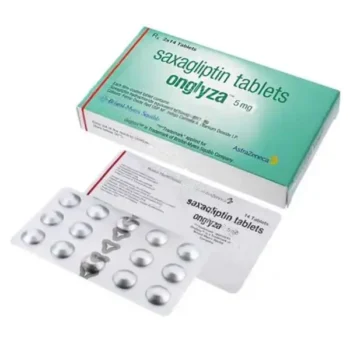
Saxagliptin 5 mg is a prescription oral medication indicated for the management of type 2 diabetes mellitus. Manufactured by AstraZeneca Pharma India Ltd each strip contains 14 film‑coated tablets delivering a consistent 5 mg dose of saxagliptin. T
In stock
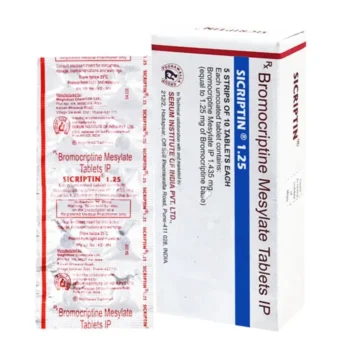
Product Overview
Bromocriptine 1.25 mg (Generic) is a prescription oral tablet produced by Serum Institute India. Each strip contains ten tablets, and the product is marketed in pack sizes of 30, 60, or 90 tablets to accommodate different treatment
In stock
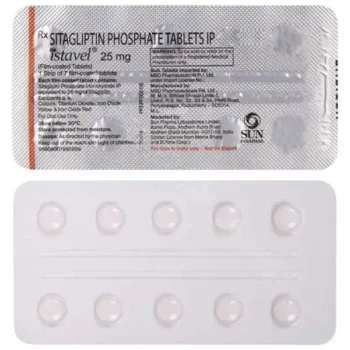
Product Overview
Sitagliptin 25 Mg, supplied by Sun Pharmaceutical Industries Ltd, is a prescription oral medication indicated for the management of type 2 diabetes mellitus. Each strip contains ten tablets, each delivering a precise 25 mg dose o
In stock

Product Overview Bromocriptine 2.5 mg generic tablets are manufactured by Serum Institute India, a company known for producing affordable generic medicines. The product is supplied in strips of ten tablets, with pack options of 30, 60, or 90 tablets.
In stock
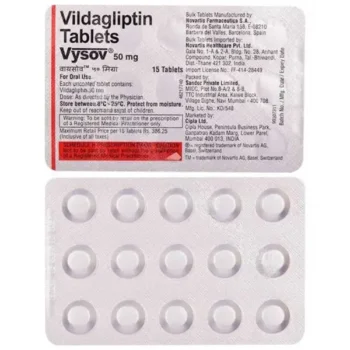
Product Overview Vildagliptin 50 mg is a prescription oral antidiabetic medication marketed by Cipla Limited under the generic name Vildagliptin. It is formulated for the management of type 2 diabetes mellitus in adults when diet and exercise alone a
In stock
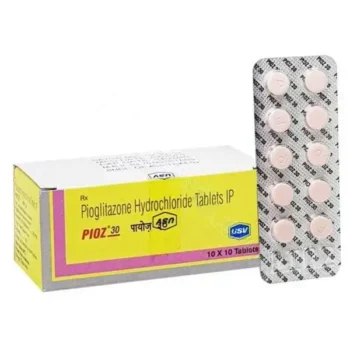
Product Overview
Pioglitazone 30 mg is a generic oral antidiabetic produced by USV Pvt. Ltd. Each tablet delivers 30 mg of pioglitazone, a thiazolidinedione that improves insulin sensitivity. The medication is supplied in strips containing 10 tab
In stock
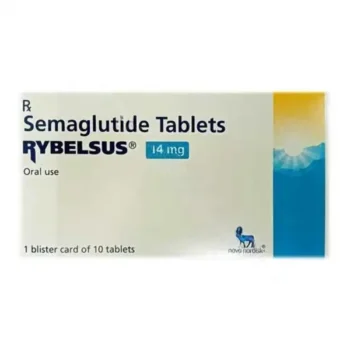
Product Overview
Semaglutide 14 mg (Generic) is a prescription oral medication indicated for the management of Type 2 diabetes mellitus. Manufactured by Novo Nordisk India, the product is supplied in strips containing ten tablets, with pack sizes a
In stock
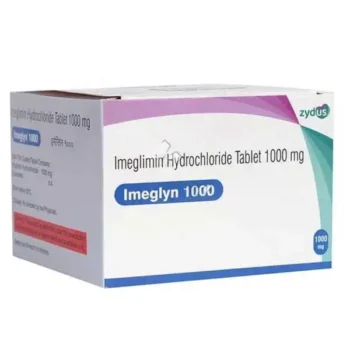
Imeglimin 1000 Mg (Generic) – Product Overview
Imeglimin 1000 Mg is a prescription antidiabetic medication manufactured by Zydus Lifesciences. It is formulated as a tablet that delivers a 1000 Mg dose of the active ingredient imeglimin. The product
In stock
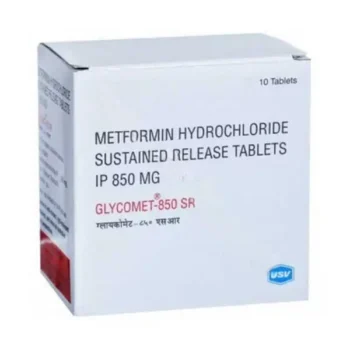
Product Overview
Metformin Sustained Release 850 mg is a prescription oral antihyperglycemic agent formulated for the management of type 2 diabetes mellitus. Produced by USV Pvt Ltd, this generic formulation delivers the active ingredient in a cont
In stock
Product Overview
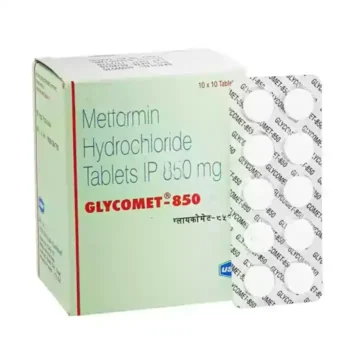
Metformin 850 mg is a widely prescribed oral hypoglycemic agent used in the management of Type 2 diabetes mellitus. Manufactured by USV Pvt Ltd, this generic formulation delivers a consistent 850 mg dose of metformin in each tabl
In stock
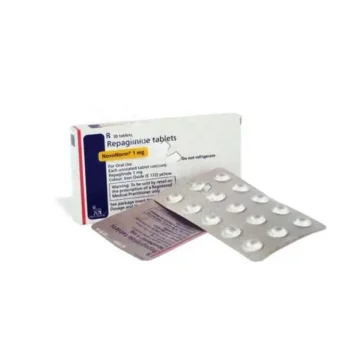
Product Overview Repaglinide 1 mg is a generic oral antidiabetic medication supplied by Novo Nordisk India. Each strip contains 15 tablets, and the product is available in pack sizes of 30, 60, or 90 tablets. It is indicated for the treatment of type
In stock
Product Overview
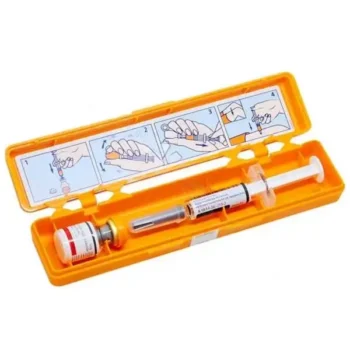
Glucagon Injection (Generic) is a prescription medication indicated for the emergency treatment of severe hypoglycemia in adults and pediatric patients with Diabetes Type 2 who are receiving insulin or other glucose‑lowering agen
In stock
Reviews
There are no reviews yet.