

Rabicip 10 mg (Rabeprazole)
Price range: 40.00$ through 55.00$
Product Overview
Rabicip 10 mg is a prescription medication that belongs to the class of proton pump inhibitors (PPIs). It is formulated to reduce the amount of acid produced in the stomach, thereby providing relief from conditions such as gastro‑e
| Active Ingredients | Rabeprazole |
|---|---|
| Delivery Time | 6 To 15 days |
| Indication | Acidity, Heartburn, Stomach ulcers |
| Manufacturer | Cipla Limited |
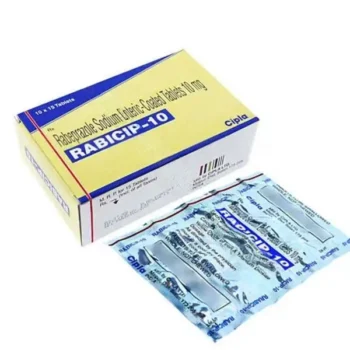
| Packaging | 15 tablets in 1 strip |
| Strength | 10mg |
Product Overview
Rabicip 10 mg is a prescription medication that belongs to the class of proton pump inhibitors (PPIs). It is formulated to reduce the amount of acid produced in the stomach, thereby providing relief from conditions such as gastro‑esophageal reflux disease (GERD), chronic acidity, heartburn, and gastric ulcers. The active pharmaceutical ingredient is rabeprazole, a potent inhibitor of the H⁺/K⁺ ATPase enzyme system located on the secretory canaliculi of parietal cells. By blocking this enzyme, rabeprazole decreases gastric acid secretion, which helps to heal existing erosions and prevents the formation of new ulcers. The medication is marketed by Cipla Limited and is supplied in a strip containing fifteen tablets, each strength being 10 mg of rabeprazole. Pack size options include 60, 90, or 120 tablets, allowing patients to select a quantity that best fits their treatment regimen.
What is Rabicip
Rabicip is the brand name under which rabeprazole sodium is marketed for oral administration. As a proton pump inhibitor, it exerts a selective and irreversible blockade of the gastric acid production pathway. Unlike antacids that neutralize existing acid, rabeprazole reduces the acid output at its source, offering a more sustained effect that can last up to 24 hours after a single dose. The drug is classified as a benzimidazole derivative and shares pharmacological characteristics with other PPIs such as omeprazole and esomeprazole, yet it demonstrates a distinct pharmacokinetic profile with a rapid onset of action and a relatively low potential for drug‑drug interactions when used as directed.
Uses and Benefits
The primary therapeutic indication for Rabicip 10 mg is the management of excessive gastric acidity, including heartburn and acid regurgitation associated with GERD. It is also prescribed for the short‑term treatment of erosive esophagitis, for the healing of gastric and duodenal ulcers, and for the maintenance of remission in patients with recurrent ulcer disease. In addition, clinicians may employ rabeprazole as part of combination therapy to eradicate Helicobacter pylori infection, a bacterial factor that contributes to chronic gastritis and peptic ulcer formation. By controlling acid exposure, patients often experience improved symptom control, reduced risk of complications such as bleeding or stricture formation, and a better quality of life.
How It Works
The mechanism of action of rabeprazole involves the activation of a pro‑drug form within the acidic canaliculi of parietal cells. Once inside this micro‑environment, the compound undergoes conversion to a sulfenyl sulfide intermediate that covalently binds to the sulfhydryl group of the H⁺/K⁺ ATPase pump. This binding renders the pump inactive, preventing the exchange of hydrogen ions for potassium ions and thereby halting the final step of acid production. The effect is irreversible; new pumps must be synthesized before acid secretion can resume, which explains the prolonged duration of action despite the short plasma half‑life of the drug. Clinical studies have demonstrated that a single 10 mg dose can suppress gastric acid secretion by more than 70 percent for up to 24 hours.
Dosage Guidelines
The recommended adult dosage for most indications is one tablet of Rabicip 10 mg taken once daily, preferably before the morning meal. The tablet should be swallowed whole with a glass of water and must not be crushed, chewed, or split, as this could alter the drug’s release characteristics. For patients with a confirmed Helicobacter pylori infection, the dosing regimen may be combined with appropriate antibacterial agents as part of a multi‑drug eradication schedule. Pediatric use is not established for the 10 mg strength, and dosing in children should only be undertaken under the supervision of a qualified healthcare professional. Patients with hepatic impairment may require dose adjustment, and such modifications should be guided by a physician. It is essential to follow the dosing instructions printed on the label or those given by a prescribing clinician to achieve optimal therapeutic outcomes.
Side Effects
Like all medications, Rabicip 10 mg can be associated with adverse effects, although most are mild and transient. The most commonly reported side effects include headache, diarrhea, abdominal pain, nausea, and constipation. Less frequent but clinically important events comprise hypomagnesemia, which may manifest as muscle cramps, irregular heartbeat, or seizures, and an increased susceptibility to infections such as Clostridioides difficile colitis. Long‑term use of proton pump inhibitors has been linked in some observational studies to potential risks including vitamin B12 deficiency, bone fractures, and chronic kidney disease; however, these associations do not prove causation and require further investigation. Patients should be advised to report any persistent or severe symptoms to their healthcare provider promptly.
Warnings and Precautions
Rabicip should be used with caution in individuals with known hypersensitivity to rabeprazole or any component of the formulation. Concomitant use with certain medications, such as atazanavir, may reduce the absorption of the antiretroviral drug, necessitating alternative regimens. Patients with severe hepatic disease should discuss dose modification with their physician, as pharmacokinetic clearance may be impaired. Additionally, prolonged suppression of gastric acidity can affect the gastrointestinal microbial flora, potentially leading to bacterial overgrowth. It is therefore advisable to periodically reassess the need for continued therapy, especially in patients without a clear indication. Pregnant or breastfeeding women should consult their healthcare provider before initiating treatment, as the safety profile in these populations requires careful evaluation.
Frequently Asked Questions
Q: What is Rabicip used for?
A: Rabicip 10 mg is indicated for the treatment of acid‑related gastrointestinal conditions, including gastro‑esophageal reflux disease, chronic heartburn, and gastric or duodenal ulcers. It is also used in combination therapy to eradicate Helicobacter pylori infections.
Q: How should I take Rabicip 10 mg?
A: The usual adult dose is one tablet taken once daily before breakfast. The tablet must be swallowed whole; it should not be crushed, chewed, or split. Follow the dosing schedule on the label or as directed by your physician.
Q: Can I take Rabicip with other medicines?
A: Certain drugs, such as atazanavir or ketoconazole, may interact with rabeprazole and affect their absorption. Always inform your healthcare provider about all medications, supplements, and herbal products you are using before starting Rabicip.
Q: What are the most common side effects?
A: Common side effects include headache, diarrhea, abdominal discomfort, nausea, and constipation. Rare but serious events may involve hypomagnesemia or gastrointestinal infections. If you experience severe or persistent symptoms, seek medical advice.
Q: Is Rabicip safe during pregnancy?
A: The safety of rabeprazole in pregnancy is not fully established. Pregnant or nursing mothers should discuss potential risks and benefits with their physician before using Rabicip.
For additional scientific details, refer to resources such as the NIH Bookshelf or the U.S. Food and Drug Administration (FDA) labeling.
Related Products
- Ciplox 750mg (Ciprofloxacin)
- Diclofenac SR 100 mg
- Reactin 50 mg (Diclofenac)
- Cromal Forte Eye Drop (Sodium Cromoglycate)
- Alendronic Acid 35 mg (Generic)
- Rizact 5 mg (Rizatriptan)
- Flunarizine 5 mg (Generic)
- Warf 1 mg (Warfarin)
- Warf 2 mg (Warfarin)
- Warf 3 mg (Warfarin)
- Mucinac 200 mg (Acetylcysteine)
- Temozolomide 20 mg (Generic)
Related Products

Product Overview
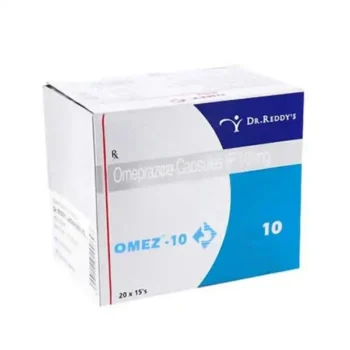
Omeprazole 40 mg is a generic prescription‑strength proton pump inhibitor (PPI) produced by Dr Reddy’s Laboratories Ltd. It is formulated as a tablet containing 40 milligrams of omeprazole, a well‑studied medication that reduces ga
In stock
In stock
Reviews
There are no reviews yet.