
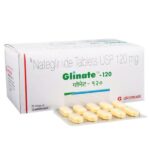
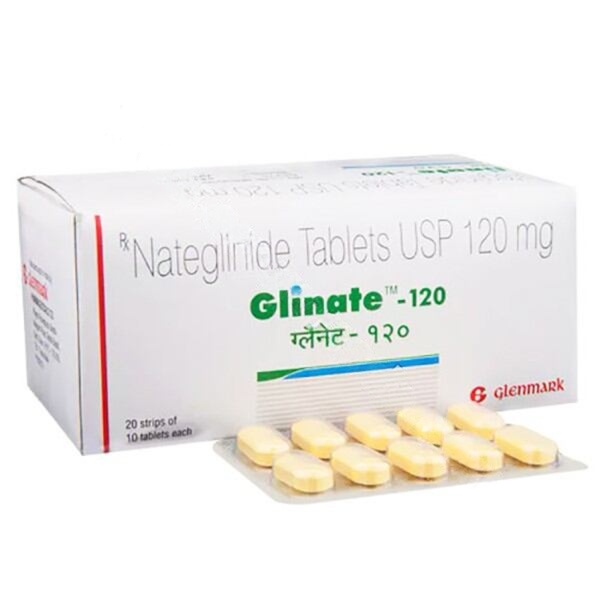
Glinate 120 mg (Nateglinide)
Price range: 41.00$ through 70.00$
Product Overview Glinate 120 mg (Nateglinide) is a prescription oral antidiabetic medication indicated for the treatment of type 2 diabetes mellitus in adults. Produced by Glenmark Pharmaceuticals Ltd., the drug is supplied in a convenient strip form
| Active Ingredients | Nateglinide |
|---|---|
| Delivery Time | 6 To 15 days |
| Indication | Type 2 diabetes |
| Manufacturer | Glenmark Pharmaceuticals Ltd. |
| Packaging | 10 tablets in 1 strip |
| Strength | 120mg |
| Pack Size | Price | Quantity | |
|---|---|---|---|
| 30 Tablet/s | 41.00$ | ||
| 60 Tablet/s | 54.00$ | ||
| 90 Tablet/s | 70.00$ |
Product Overview
Glinate 120 mg (Nateglinide) is a prescription oral antidiabetic medication indicated for the treatment of type 2 diabetes mellitus in adults. Produced by Glenmark Pharmaceuticals Ltd., the drug is supplied in a convenient strip format containing ten tablets per strip, with pack options of 30, 60, or 90 tablets to accommodate varying treatment durations. Each tablet delivers 120 mg of the active ingredient nateglinide, a member of the meglitinide class that functions by stimulating insulin release from pancreatic beta cells in a glucose‑dependent manner. The formulation is intended for oral administration and should be taken shortly before meals to align its glucose‑lowering effect with the postprandial rise in blood glucose. This overview provides a concise summary of the medication’s purpose, packaging, and therapeutic context within diabetes care.
What is Glinate 120 mg (Nateglinide)
Glinate belongs to the meglitinide subclass of oral hypoglycemic agents, which differentiate themselves from sulfonylureas by virtue of their rapid onset and short duration of action. The active pharmaceutical ingredient, nateglinide, is chemically described as a phenylalanine derivative that binds selectively to the Kir6.2 subunit of the ATP‑sensitive potassium channel on pancreatic beta cells. This interaction leads to closure of the channel, depolarization of the cell membrane, influx of calcium, and subsequent exocytosis of stored insulin granules. Because the trigger for insulin release is directly linked to the concentration of glucose in the bloodstream, nateglinide’s effect is inherently glucose‑dependent, reducing the likelihood of insulin secretion during fasting states and thereby minimizing the risk of hypoglycemia when used as monotherapy.
Uses and Benefits
The primary clinical indication for Glinate 120 mg is to improve glycemic control in adults with type 2 diabetes who have not achieved adequate glucose regulation through diet and exercise alone. When used as monotherapy, clinical trials have demonstrated a mean reduction in hemoglobin A1c (HbA1c) of approximately 0.5% to 0.8% after 12 to 24 weeks of treatment. When combined with other oral agents such as metformin, additional HbA1c reductions of up to 1% have been observed. Benefits of nateglinide therapy include flexible dosing around meals, a relatively low propensity for weight gain compared with some sulfonylureas, and a favorable safety profile supported by regulatory agencies such as the FDA and the NIH. Moreover, its rapid onset makes it particularly useful for controlling postprandial glucose spikes, a common challenge in type 2 diabetes management.
How It Works
Nateglinide exerts its pharmacodynamic effect by inhibiting the ATP‑sensitive potassium (K_ATP) channels that regulate insulin secretion from pancreatic beta cells. In the presence of elevated glucose concentrations, these channels close, leading to membrane depolarization, calcium entry, and the subsequent release of insulin stored in secretory vesicles. The glucose‑dependent nature of this mechanism ensures that insulin is released only when blood glucose rises, such as after a meal, and wanes as glucose levels return to baseline. This physiologic pattern mirrors the natural insulin response and distinguishes nateglinide from other secretagogues that may cause unregulated insulin release. The drug’s short half‑life of approximately 2 to 3 hours further supports its use as a mealtime‑specific agent, providing precise control over postprandial glucose excursions.
Dosage Guidelines
Standard dosing initiates with a 120 mg tablet taken orally before the main meal of the day, commonly lunch, to coincide with the postprandial glucose peak. The dose may be titrated upward in increments of 120 mg based on individual glycemic response, with a typical maximum daily dose of 360 mg divided into three doses before each main meal (breakfast, lunch, and dinner). For patients with hepatic impairment, a reduced dose of 60 mg before each meal is recommended, as is the case for those taking strong inhibitors of the CYP2C9 enzyme, which can increase nateglinide plasma concentrations. Renal dosing adjustments are not required unless severe renal dysfunction is present. It is essential for clinicians to monitor fasting and postprandial glucose levels regularly and adjust the dose accordingly to achieve target glucose concentrations while avoiding excessive dosing that could precipitate hypoglycemia.
Side Effects
Adverse reactions reported in clinical studies and post‑marketing surveillance include a spectrum of events, the most common of which are hypoglycemia (particularly when nateglinide is combined with other glucose‑lowering agents), headache, nasopharyngitis, and upper respiratory tract infections. Additional frequently observed side effects comprise gastrointestinal disturbances such as dyspepsia and diarrhea, as well as occasional elevations in liver enzymes, which necessitate periodic monitoring of hepatic function. Rare but serious events include pancreatitis and severe hypoglycemia requiring medical intervention. Most side effects are mild to moderate and often resolve with dose adjustment, discontinuation of concomitant hypoglycemic agents, or supportive care. Patients should be instructed to recognize the signs of low blood glucose—such as sweating, tremors, palpitations, and confusion—and to treat episodes promptly with glucose‑containing foods or beverages.
Warnings and Precautions
Glinate 120 mg is contraindicated in individuals with type 1 diabetes, patients experiencing diabetic ketoacidosis, and those with a known hypersensitivity to nateglinide or any excipients in the formulation. Caution is advised in patients with severe hepatic or renal disease, as well as in those with endocrine disorders affecting adrenal or pituitary function. Concomitant use with certain medications, notably gemfibrozil, can increase nateglinide exposure and therefore warrants dose reduction to 60 mg before each meal. Pregnancy and lactation represent special populations in which the medication should be used only if the anticipated benefit outweighs the potential risk, and only under the supervision of a qualified healthcare professional. Additionally, patients should be advised to avoid alcohol consumption in excess, as it may potentiate the risk of hypoglycemia.
Frequently Asked Questions
1. What is the recommended starting dose of Glinate 120 mg? The usual starting dose is one 120 mg tablet taken orally before the main meal of the day, typically lunch, to align the drug’s glucose‑dependent insulin‑releasing effect with the postprandial rise in blood glucose.
2. Can Glinate be used together with insulin? Yes, nateglinide can be combined with insulin, but clinicians must adjust the insulin dose carefully to reduce the risk of hypoglycemia. Frequent glucose monitoring, especially before meals and at bedtime, is essential when using this combination.
3. How long does it take to see a reduction in HbA1c? Clinical studies show measurable HbA1c reductions after 12 weeks of consistent use, though individual response may vary based on baseline glycemic control, dosage, and adherence to diet and exercise recommendations.
4. Is weight gain a common side effect? Weight gain is generally less pronounced compared with some sulfonylureas, but modest increases in body weight have been reported in some patients. The magnitude of weight change is typically modest and may be mitigated by maintaining an active lifestyle and balanced nutrition.
5. Where can I find more detailed prescribing information? Detailed prescribing information is available on the official FDA drug label and can also be accessed through reputable medical databases such as PubMed, the FDA Drugs Portal, and the NIH website. For consumer‑friendly information, MedlinePlus provides evidence‑based guidance on diabetes management.
Related Products
- Tazret Gel 0.05% (Tazarotene)
- Tazret Forte Cream (Tazarotene)
- Apremilast 30 mg (Generic)
- Aprezo 30 mg (Apremilast)
- Tazarotene Gel 0.05% (Generic)
- Tazarotene Cream (Generic)
- Flucort Cream (Fluocinolone)
- Flucort Cream 20gm (Fluocinolone)
- Flucort N Cream (Fluocinolone/Neomycin)
- Flucort C Cream (Fluocinolone/Ciclopirox)
- Flucort H Cream (Fluocinolone)
- Halovate Cream (Halobetasol)
Related Products
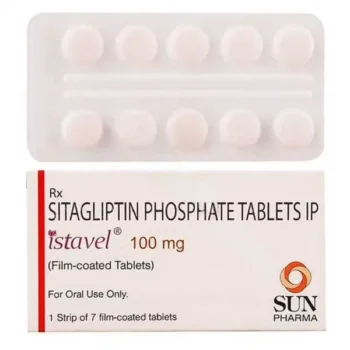
Product Overview Sitagliptin 100 Mg (Generic) is an oral antidiabetic medication indicated for the management of type 2 diabetes mellitus. Manufactured by Sun Pharmaceutical Industries Ltd, this product is supplied in packs containing 10 tablets per
In stock
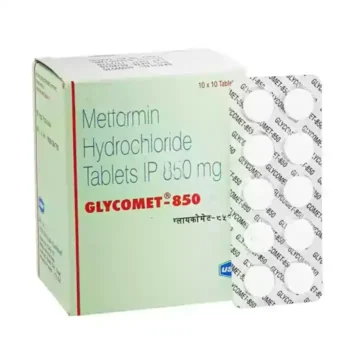
Product Overview
Metformin 850 mg is a widely prescribed oral hypoglycemic agent used in the management of Type 2 diabetes mellitus. Manufactured by USV Pvt Ltd, this generic formulation delivers a consistent 850 mg dose of metformin in each tabl
In stock
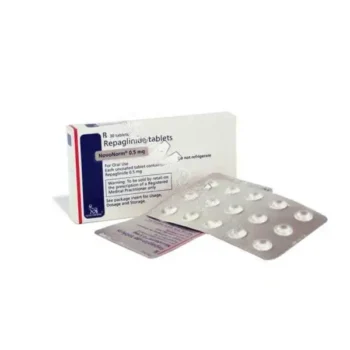
Repaglinide 0.5 mg is a prescription oral antidiabetic medication formulated to assist adults with type 2 diabetes mellitus in achieving better glycemic control. Manufactured by Novo Nordisk India, a globally recognized pharmaceutical leader, this
In stock
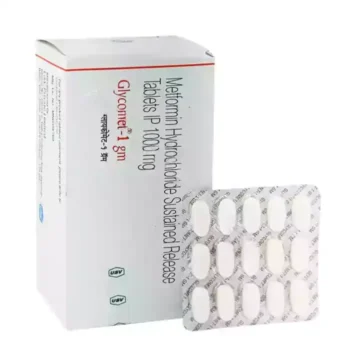
Metformin 1000 mg (Generic) – Diabetes Care Product Overview Metformin 1000 mg is a widely prescribed oral medication used in the management of type 2 diabetes mellitus. Manufactured by USV Pvt Ltd, this generic formulation contains the active ingred
In stock
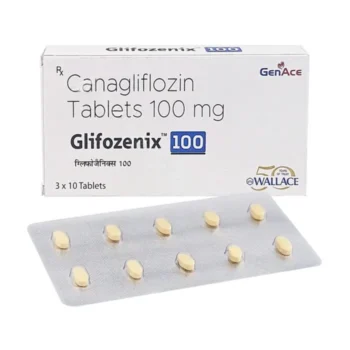
Product Overview Glifozenix 100 mg is a prescription oral medication formulated to help adults with type 2 diabetes mellitus achieve better glycemic control. Manufactured by Wallace Pharmaceuticals Pvt. Ltd., each strip contains ten tablets, each del
In stock

Product Overview Bromocriptine 2.5 mg generic tablets are manufactured by Serum Institute India, a company known for producing affordable generic medicines. The product is supplied in strips of ten tablets, with pack options of 30, 60, or 90 tablets.
In stock
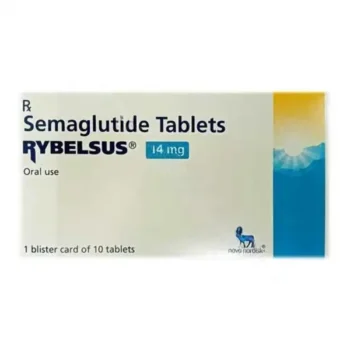
Product Overview
Semaglutide 14 mg (Generic) is a prescription oral medication indicated for the management of Type 2 diabetes mellitus. Manufactured by Novo Nordisk India, the product is supplied in strips containing ten tablets, with pack sizes a
In stock
Product Overview Miglitol 50 mg is a generic oral antidiabetic medication manufactured by Glenmark Pharmaceuticals Ltd. It belongs to the class of alpha‑glucosidase inhibitors and is specifically indicated for the management of type 2 diabetes mellit
In stock
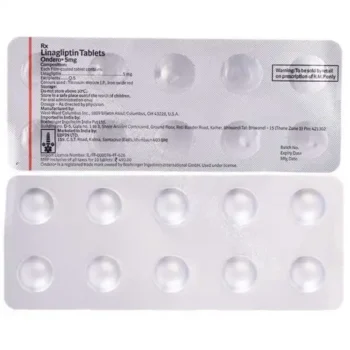
Product Overview
Linagliptin 5 mg (Generic) is a prescription oral antidiabetic medication produced by the joint venture of Boehringer Ingelheim and Lupin Limited. It is formulated for the management of type 2 diabetes mellitus and is supplied in
In stock
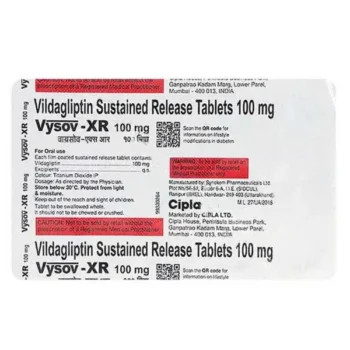
Product Overview
Vildagliptin Sustained Release 100 Mg (Generic) is a prescription oral medication indicated for the management of Type 2 diabetes mellitus. Manufactured by Cipla Limited, this formulation belongs to the class of dipeptidyl peptidas
In stock
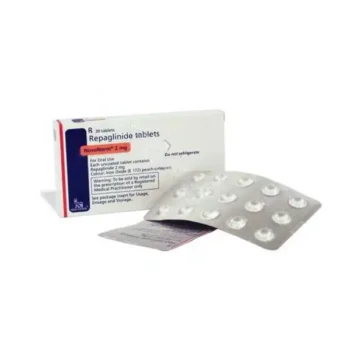
Product Overview Repaglinide 2 mg (Generic) is a prescription oral antidiabetic medication indicated for the management of type 2 diabetes mellitus. Manufactured by Novo Nordisk India this product is supplied in a strip containing 15 tablets each con
In stock
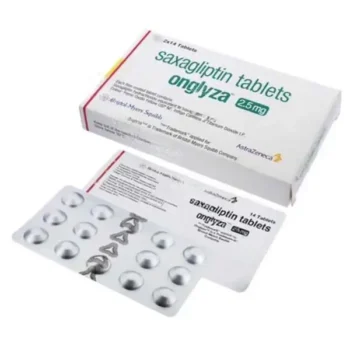
Product Overview Saxagliptin 2.5 mg is a generic formulation of a dipeptidyl peptidase‑4 (DPP‑4) inhibitor used in the management of type 2 diabetes mellitus. Manufactured by AstraZeneca Pharma India Ltd , the product is supplied in a strip containi
In stock
Reviews
There are no reviews yet.