
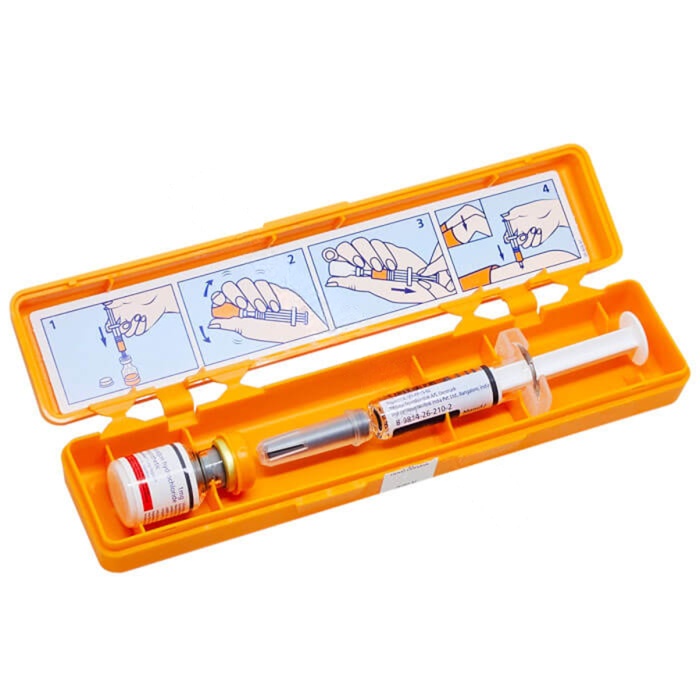
Glucagen Injection (Glucagon)
Price range: 51.00$ through 389.00$
Product Overview
Glucagen Injection (Glucagon) is a sterile, lyophilized formulation supplied by Novo Nordisk India, a globally recognized leader in diabetes care. Each package contains one vial of glucagon powder accompanied by a single‑use steril
| Pack Size | Price | Quantity | |
|---|---|---|---|
| 1 Injection | 51.00$ | ||
| 3 Injection/s | 105.00$ | ||
| 6 Injection/s | 175.00$ | ||
| 15 Injection/s | 389.00$ |
Product Overview
Glucagen Injection (Glucagon) is a sterile, lyophilized formulation supplied by Novo Nordisk India, a globally recognized leader in diabetes care. Each package contains one vial of glucagon powder accompanied by a single‑use sterile water diluent (PFS) ready for reconstitution. The product is indicated specifically for the treatment of severe hypoglycemia in patients with Diabetes Type 2 who are unable to respond to oral carbohydrate intake. Pack size options include single injection kits, as well as economical bundles of 15, 30, or 60 injections, allowing clinics and hospitals to select the most appropriate supply for their workflow. The packaging complies with international regulatory standards, featuring a tamper‑evident seal and clear labeling that meets FDA and WHO guidelines for biologics. Designed for rapid administration, Glucagen can be stored at refrigerated temperatures (2 °C – 8 °C) until use, and once reconstituted it retains potency for up to 90 minutes at room temperature, providing a reliable emergency solution when time is critical.
What is Glucagen Injection (Glucagon)
Glucagon is a peptide hormone naturally produced by the alpha cells of the pancreatic islets. In pharmaceutical form, it acts as a potent agonist of the glucagon receptor, triggering a cascade that promotes glycogenolysis and gluconeogenesis in the liver and muscle tissue. The synthetic version used in Glucagen is identical to endogenous human glucagon, ensuring compatibility with the body’s physiological pathways. When administered intravenously, intramuscularly, or subcutaneously after reconstitution, the drug rapidly raises blood glucose concentrations, reversing the life‑threatening effects of severe hypoglycemia. Because it does not require insulin or glucose ingestion, Glucagen is uniquely suited for emergency scenarios where the patient is unconscious, seizing, or otherwise unable to swallow. Its rapid onset — often within five to ten minutes — makes it the gold standard for acute hypoglycemia management in both inpatient and community settings. For more detailed scientific background, see the National Institutes of Health.
Uses and Benefits
The primary clinical use of Glucagen Injection is the emergency treatment of hypoglycemia that cannot be managed by oral carbohydrates or glucose gels. This includes situations such as insulin overdose, prolonged fasting, or unexpected drops in blood sugar among patients with Diabetes Type 2 who are on intensive insulin regimens. Beyond acute rescue, Glucagen serves as a diagnostic tool in certain gastrointestinal procedures, where it stimulates gastric motility for imaging studies. For healthcare providers, the product offers several benefits: it is supplied in a ready‑to‑mix format, eliminating the need for additional vials; the single‑dose water ampoule reduces waste and contamination risk; and the clear dosing instructions support safe administration by nurses, paramedics, and family caregivers. Moreover, because the formulation is derived from recombinant DNA technology, it carries a low risk of allergic reaction compared with older extracts derived from animal sources. Additional information can be found at the MedlinePlus resource.
How It Works
Upon reconstitution, Glucagon binds to glucagon receptors on hepatic cells, activating adenylate cyclase and increasing intracellular cyclic AMP (cAMP). This secondary messenger promotes the activation of protein kinase A, which in turn stimulates enzymes responsible for breaking down glycogen into glucose. Simultaneously, glucagon inhibits the activity of phosphofructokinase, reducing glycolysis and encouraging the liver to release stored glucose into the bloodstream. The net physiological effect is a rapid increase in plasma glucose, typically raising levels by 50–80 mg/dL within minutes. Because the response is independent of insulin signaling, Glucagen remains effective even in patients with insulin resistance or those receiving high‑dose insulin therapy. This mechanism underscores its role as a counter‑regulatory hormone that restores glucose homeostasis when the body’s own glucagon production is insufficient or delayed.
Dosage Guidelines
Dosage must always be individualized according to the patient’s weight, age, and the severity of hypoglycemia. The standard emergency regimen involves administering the entire contents of one vial (typically 1 mg of glucagon) diluted in the accompanying sterile water, resulting in a concentration suitable for intramuscular or subcutaneous injection. In adults, a single dose is usually sufficient; however, a repeat dose may be considered if glucose levels do not rise above 70 mg/dL after 15 minutes and the patient remains symptomatic. Pediatric dosing adjusts the volume to reflect body mass, and caregivers should be instructed to follow the manufacturer’s reconstitution instructions precisely to avoid under‑or overdilution. It is essential that all users review the prescribing information and receive hands‑on training before relying on the product in a crisis. Storage requirements include refrigeration until use, and the reconstituted solution should be used within 90 minutes if kept at room temperature, after which it must be discarded. For official prescribing details, consult the U.S. Food and Drug Administration label.
Side Effects
Like all biologic medications, Glucagen may produce adverse effects, although most are mild and self‑limiting. Common side effects include transient nausea, vomiting, headache, and local pain or erythema at the injection site. Less frequently, patients may experience palpitations, sweating, or a brief increase in blood pressure due to sympathetic activation. Rare but serious reactions can involve cardiac arrhythmias, severe allergic hypersensitivity, or loss of consciousness if the drug is inadvertently administered in sub‑therapeutic amounts. In the event of an allergic reaction characterized by rash, swelling, or difficulty breathing, emergency medical care should be sought immediately. Patients with known pheochromocytoma or insulinoma should avoid glucagon therapy, as the drug may exacerbate catecholamine excess. Reporting any unexpected symptoms to a healthcare professional ensures proper monitoring and product safety.
Warnings and Precautions
Before prescribing Glucagen, clinicians should verify that the patient does not have a history of pheochromocytoma, insulinoma, or severe cardiac disease that could be aggravated by rapid glucose elevation. The product is contraindicated in individuals with known hypersensitivity to glucagon or any excipients present in the formulation. Because the medication is supplied as a powder that must be reconstituted, improper mixing can lead to inaccurate dosing; therefore, only the supplied sterile water ampoule should be used, and the vial should be gently swirled — not shaken — to prevent foam formation. Healthcare providers must also educate patients and caregivers on the signs of hypoglycemia, the proper storage conditions, and the importance of not sharing the medication with others. Travelers should note that delivery times range from six to fifteen days, depending on location, and that the product should be kept in a cool, dry place during transport. Finally, the expiration date printed on the vial must be respected, and any solution that appears cloudy or discolored should be discarded.
Frequently Asked Questions
Q: How should Glucagen be stored before use?
A: It must be kept refrigerated at 2 °C – 8 °C and protected from light until the vial is opened. Once reconstituted, the solution can be kept at room temperature for up to 90 minutes.
Q: Can Glucagen be used in children?
A: Yes, but the dose must be adjusted based on body weight, and the reconstitution steps should be performed exactly as described in the package insert.
Q: Is a prescription required to purchase Glucagen?
A: In most countries, Glucagen is a prescription‑only medication, and a licensed healthcare provider must authorize its use.
Q: What is the typical shelf life of the product?
A: The expiration date is printed on each vial; do not use the product past this date, and always check for discoloration before administration.
Q: Are there any dietary restrictions after using Glucagen?
A: After the emergency episode, patients should follow their physician’s guidance on carbohydrate intake to prevent recurrent hypoglycemia.
Related Products
- Empagliflozin 25 mg Tablet
- Jardiance 10 mg (Empagliflozin)
- Rybelsus 3 mg (Semaglutide)
- Wegovy 0.5 mg FlexTouch Pen (Semaglutide)
- Semaglutide 3 mg (Generic)
- Novofine 31G Needle (Device)
- Jardiance (Empagliflozin)
- Jardiance 25 mg (Empagliflozin)
- Novonorm 0.5 mg (Repaglinide)
- Novonorm 1 mg (Repaglinide)
- Novonorm (Repaglinide)
- Novonorm 2 mg (Repaglinide)
Related Products
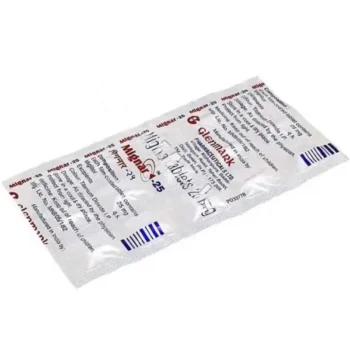
Product Overview Miglitol 25 mg is a generic oral antidiabetic produced by Glenmark Pharmaceuticals Ltd. Each strip holds fifteen film‑coated tablets, each containing 25 mg of the active ingredient. The product is offered in pack sizes of 30, 60, and
In stock
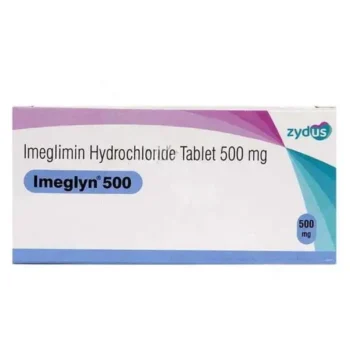
Product Overview Imeglimin 500 Mg is a prescription oral medication formulated for the management of type 2 diabetes mellitus. Manufactured by Zydus Lifesciences, the product is supplied in a convenient strip containing ten tablets, each delivering a
In stock
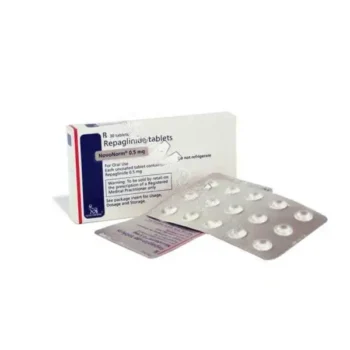
Repaglinide 0.5 mg is a prescription oral antidiabetic medication formulated to assist adults with type 2 diabetes mellitus in achieving better glycemic control. Manufactured by Novo Nordisk India, a globally recognized pharmaceutical leader, this
In stock
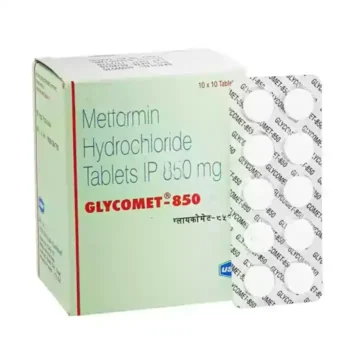
Product Overview
Metformin 850 mg is a widely prescribed oral hypoglycemic agent used in the management of Type 2 diabetes mellitus. Manufactured by USV Pvt Ltd, this generic formulation delivers a consistent 850 mg dose of metformin in each tabl
In stock
Product Overview
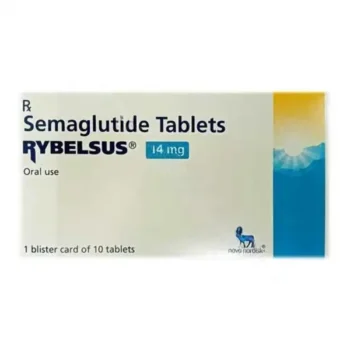
Semaglutide 14 mg (Generic) is a prescription oral medication indicated for the management of Type 2 diabetes mellitus. Manufactured by Novo Nordisk India, the product is supplied in strips containing ten tablets, with pack sizes a
In stock
Product Overview
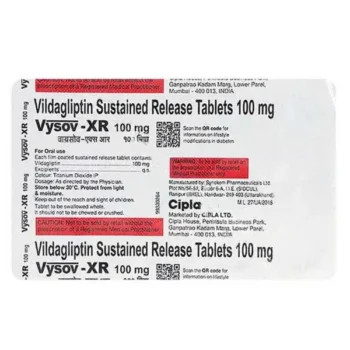
Vildagliptin Sustained Release 100 Mg (Generic) is a prescription oral medication indicated for the management of Type 2 diabetes mellitus. Manufactured by Cipla Limited, this formulation belongs to the class of dipeptidyl peptidas
In stock

Product Overview Bromocriptine 2.5 mg generic tablets are manufactured by Serum Institute India, a company known for producing affordable generic medicines. The product is supplied in strips of ten tablets, with pack options of 30, 60, or 90 tablets.
In stock
Product Overview
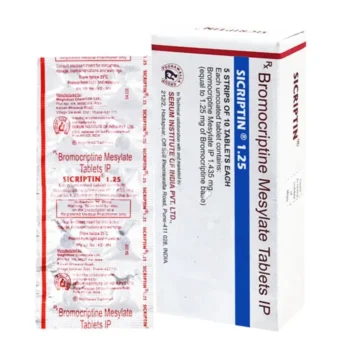
Bromocriptine 1.25 mg (Generic) is a prescription oral tablet produced by Serum Institute India. Each strip contains ten tablets, and the product is marketed in pack sizes of 30, 60, or 90 tablets to accommodate different treatment
In stock
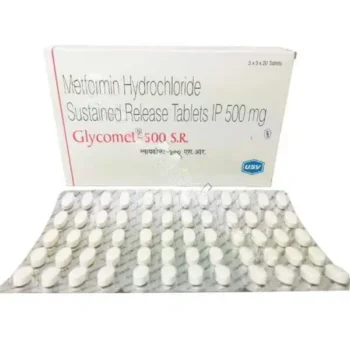
Product Overview Metformin Sustained Release 500 Mg (Generic) is a prescription oral antihyperglycemic agent formulated for the management of type 2 diabetes mellitus. Produced by USV Pvt Ltd, this tablet belongs to the biguanide class and delivers t
In stock
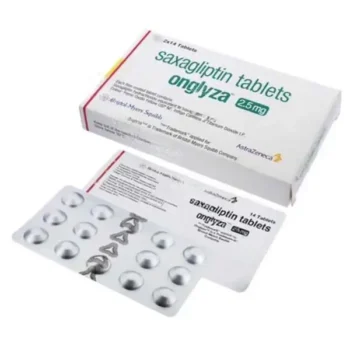
Product Overview Saxagliptin 2.5 mg is a generic formulation of a dipeptidyl peptidase‑4 (DPP‑4) inhibitor used in the management of type 2 diabetes mellitus. Manufactured by AstraZeneca Pharma India Ltd , the product is supplied in a strip containi
In stock
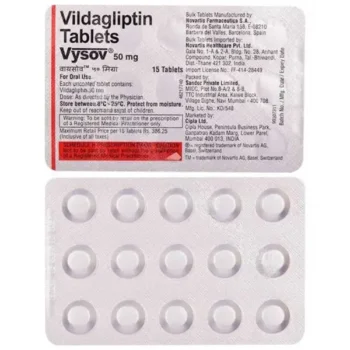
Product Overview Vildagliptin 50 mg is a prescription oral antidiabetic medication marketed by Cipla Limited under the generic name Vildagliptin. It is formulated for the management of type 2 diabetes mellitus in adults when diet and exercise alone a
In stock
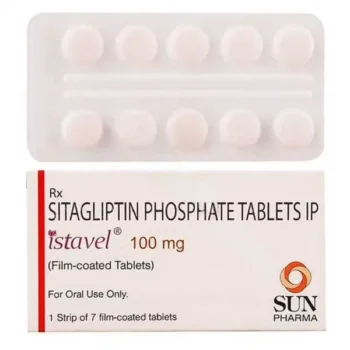
Product Overview Sitagliptin 100 Mg (Generic) is an oral antidiabetic medication indicated for the management of type 2 diabetes mellitus. Manufactured by Sun Pharmaceutical Industries Ltd, this product is supplied in packs containing 10 tablets per
In stock
Reviews
There are no reviews yet.