
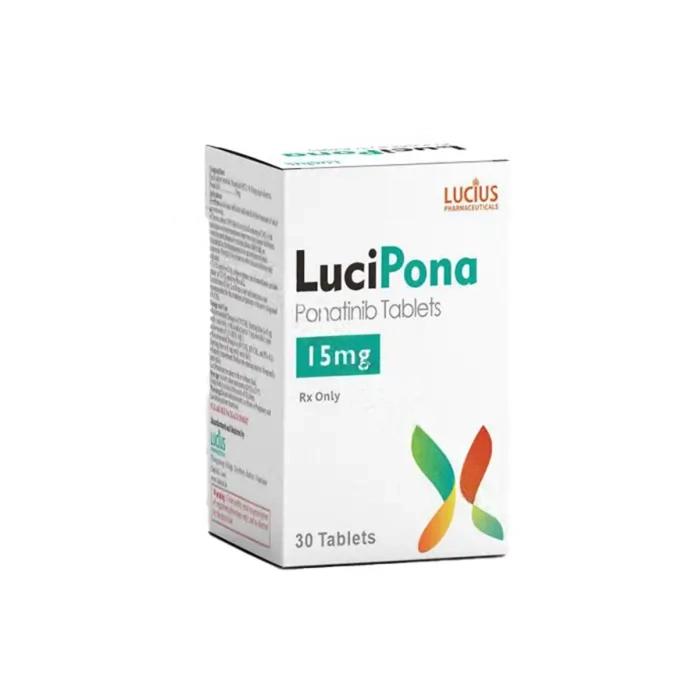
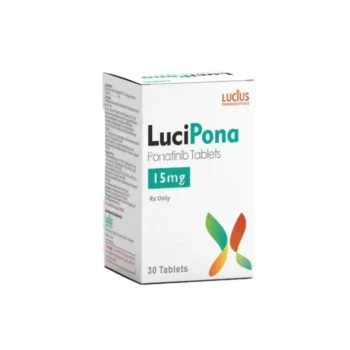
Lucipona 15 mg (ponatinib)
Price range: 150.00$ through 351.50$
Product Overview
Lucipona 15 mg is a prescription pharmaceutical product developed for the management of chronic phase chronic myeloid leukemia (CML), a cancer of the blood‑forming tissues that progresses slowly in its chronic stage. Each package c
| Pack Size | Price | Quantity | |
|---|---|---|---|
| 30 Tablet/s | 150.00$ | ||
| 60 Tablet/s | 254.00$ | ||
| 90 Tablet/s | 351.50$ |
Product Overview
Lucipona 15 mg is a prescription pharmaceutical product developed for the management of chronic phase chronic myeloid leukemia (CML), a cancer of the blood‑forming tissues that progresses slowly in its chronic stage. Each package contains 30 film‑coated tablets of ponatinib, a potent tyrosine kinase inhibitor manufactured by Laos‑based Lucius Pharmaceuticals, a company with a reputation for producing oncology‑focused medicines that meet international quality standards. The medication is supplied in a sealed bottle to preserve potency and is shipped within a 6‑to‑15‑day window, ensuring that patients receive a reliable supply without prolonged delays. This formulation is intended for oral administration and is designed to be integrated into a broader treatment plan that may include laboratory monitoring, supportive care, and regular medical follow‑up.
What is Lucipona 15 mg (ponatinib)
Lucipona 15 mg refers specifically to the 15‑milligram tablet strength of ponatinib, an FDA‑approved active ingredient that belongs to the class of ATP‑competitive tyrosine kinase inhibitors. Ponatinib was originally developed to target the BCR‑ABL1 fusion protein that drives the uncontrolled proliferation of myeloid cells in CML. In addition to the canonical BCR‑ABL1 kinase, ponatinib inhibits a spectrum of mutant forms, most notably the T315I gatekeeper mutation, which confers resistance to many earlier‑generation TKIs such as imatinib, dasatinib, and nilotinib. Because of its broad activity, Lucipona is often prescribed when other therapies have failed or are unsuitable. The 15‑mg dosage allows clinicians to fine‑tune treatment regimens, especially in patients who experience dose‑limiting toxicities at higher strengths or who have specific organ‑function considerations.
Uses and Benefits
The primary therapeutic use of Lucipona 15 mg is to induce and maintain remission in adult patients diagnosed with chronic phase CML who are resistant or intolerant to prior TKI therapy. Clinical trial data have demonstrated that ponatinib can achieve complete cytogenetic responses and major molecular responses in a substantial proportion of these patients, even when disease‑causing mutations are difficult to treat. Beyond hematologic outcomes, patients often report improvements in energy levels, reduced need for transfusions, and a lower incidence of disease‑related symptoms such as fatigue and splenomegaly. The oral route of administration eliminates the need for clinic‑based infusions, granting individuals greater flexibility in daily life and enabling continuous therapy without interruption. Moreover, the ability of ponatinib to target resistant mutants expands the therapeutic arsenal for physicians, potentially delaying disease progression and improving long‑term survival prospects.
How It Works
Ponatinib exerts its antileukemic effect by binding to the ATP‑binding site of the BCR‑ABL1 kinase, with a particular affinity for the myristoyl pocket that is exploited by several oncogenic mutations, including the notorious T315I mutation. By occupying this pocket, the drug prevents the conformational changes necessary for kinase activation, thereby interrupting the downstream signaling cascades that drive cellular proliferation, survival, and adhesion. This mechanism is distinct from that of first‑generation TKIs, which primarily target the ATP‑binding site without engaging the myristoyl pocket. Consequently, ponatinib can overcome resistance mechanisms that arise from point mutations or amplification of the BCR‑ABL1 gene. The high selectivity of ponatinib for mutant BCR‑ABL1 translates into a potent antiproliferative effect on leukemic cells while sparing many normal tissues, although off‑target kinase inhibition can contribute to its side‑effect profile.
Dosage Guidelines
Dosage of Lucipona 15 mg must always be individualized by a qualified oncologist or hematologist, as it depends on the patient’s disease status, prior treatment history, renal and hepatic function, and tolerability. In pivotal clinical studies, the recommended starting dose for most adult patients was 45 mg taken once daily; however, a reduced dose of 15 mg once daily is frequently employed in patients with compromised organ function or those who experience adverse events at higher doses. The tablet should be swallowed whole with water, and administration at the same time each day helps maintain steady plasma concentrations. Patients are advised not to alter the prescribed dose without consulting their healthcare provider, and regular laboratory assessments — including complete blood counts and liver function tests — are essential to evaluate therapeutic response and detect emerging toxicities early. If a dose is missed, the patient should not double up; instead, the next scheduled dose should be taken as planned.
Side Effects
Like all prescription medications, Lucipona 15 mg can produce adverse effects, which are typically categorized as common, less common, or serious. The most frequently reported symptoms include hypertension, headache, nausea, fatigue, and mild skin rash. More clinically significant complications, though less common, encompass arterial occlusions, venous thromboembolic events, and elevations in liver enzymes, which necessitate periodic monitoring of hepatic function. Some patients may experience gastrointestinal disturbances such as diarrhea or abdominal pain, as well as rare but severe cardiac events. It is important for patients to be vigilant for signs of shortness of breath, chest discomfort, or sudden swelling in the limbs, as these may indicate serious cardiovascular incidents that require immediate medical attention. Management strategies often involve dose modification, concomitant medication adjustments, or supportive therapies such as antihypertensives or antiplatelet agents, under the supervision of a physician.
Warnings and Precautions
Lucipona carries a boxed warning for the risk of serious cardiovascular complications, including arterial occlusion and deep‑vein thrombosis, which can be life‑threatening if not recognized promptly. Prior to initiating therapy, clinicians should perform a baseline cardiovascular assessment and evaluate patient‑specific risk factors such as hypertension, diabetes, or a history of smoking. The drug is contraindicated in individuals with known hypersensitivity to ponatinib or any excipients present in the formulation. Caution is advised in patients with severe hepatic impairment (Child‑Pugh C), as ponatinib exposure may increase, necessitating dose reduction. Pregnant or breastfeeding women must avoid use, and both men and women of reproductive potential should employ effective contraception during treatment and for a defined period after discontinuation. Drug‑interaction considerations are critical; strong CYP3A4 inhibitors can elevate ponatinib levels, while inducers can reduce its efficacy, so a comprehensive medication review is essential before starting therapy.
Frequently Asked Questions
1. What condition does Lucipona 15 mg treat? It is indicated for chronic phase chronic myeloid leukemia, particularly in patients who have not responded to or have experienced intolerable side effects from prior TKI therapy.
2. How should the tablets be stored? Store the bottle at room temperature, away from moisture, heat, and direct sunlight, and keep it out of reach of children and pets.
3. Can Lucipona be taken with food or on an empty stomach? The medication may be taken with or without food; however, taking it at the same time each day helps maintain consistent blood levels.
4. Is Lucipona covered by insurance plans? Coverage varies by insurer and regional health policy; patients should contact their provider or pharmacy benefit manager for specifics regarding reimbursement.
5. Where can I find detailed scientific information about ponatinib? Comprehensive prescribing details are available on the FDA label, and peer‑reviewed studies can be accessed through PubMed and the National Cancer Institute’s CML resources.
For further reading and official prescribing information, please consult the FDA prescribing label, the National Cancer Institute, and MedlinePlus, which provide authoritative guidance on chronic myeloid leukemia and ponatinib therapy.
Related Products
Related Products
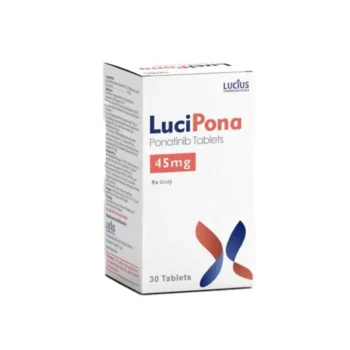
Product Overview Lucipona 45 mg is a prescription oral tablet formulated for the treatment of chronic-phase chronic myeloid leukemia (CML) in adult patients who have failed prior tyrosine kinase inhibitor therapy or who possess the T315I mutation. Th
In stock
Reviews
There are no reviews yet.