
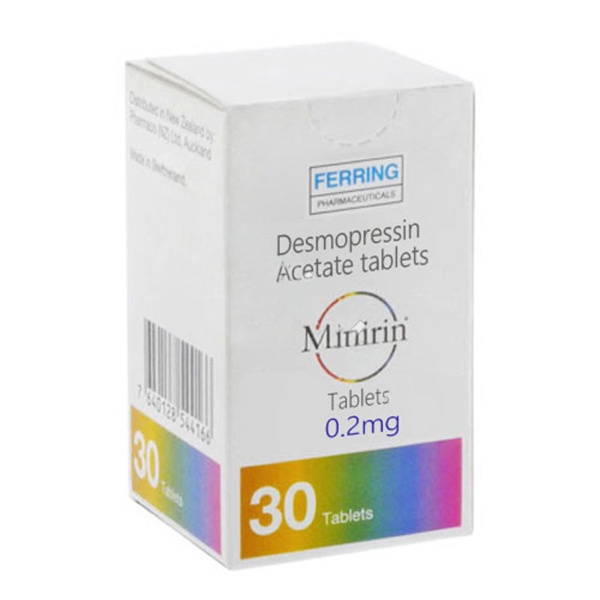
Minirin 0.2mg (Desmopressin)
Price range: 70.00$ through 162.00$
Product Overview Minirin 0.2mg is a prescription medication that contains the synthetic peptide desmopressin as its active ingredient. It is produced by Ferring Pharmaceuticals and supplied in strips of 30 tablets, with pack options of 30, 60, or 90
| Active Ingredients | Desmopressin |
|---|---|
| Delivery Time | 6 To 15 days |
| Indication | Bed-wetting, Diabetes insipidus |
| Manufacturer | Ferring Pharmaceuticals |
| Packaging | 30 tablets in 1 strip |
| Strength | 0.2mg |
| Pack Size | Price | Quantity | |
|---|---|---|---|
| 30 Tablet/s | 70.00$ | ||
| 60 Tablet/s | 118.00$ | ||
| 90 Tablet/s | 162.00$ |
Product Overview
Minirin 0.2mg is a prescription medication that contains the synthetic peptide desmopressin as its active ingredient. It is produced by Ferring Pharmaceuticals and supplied in strips of 30 tablets, with pack options of 30, 60, or 90 tablets available for purchase. The product is indicated for the treatment of nocturnal enuresis (bed‑wetting) in children aged six years and older and for the management of central diabetes insipidus and nocturnal polyuria associated with craniocranial conditions. Shipping generally takes between six and fifteen days, depending on destination and inventory. For detailed prescribing information, you can view the product listing on Drugs.com, a trusted source for medication data.
What is Minirin 0.2mg?
Minirin is the brand name for desmopressin, a selective agonist of the V2 receptor in the renal collecting ducts. This medication mimics the action of natural antidiuretic hormone (ADH), also known as vasopressin, which regulates water reabsorption. By binding to V2 receptors, desmopressin promotes the insertion of aquaporin‑2 water channels into the apical membrane of principal cells, thereby reducing urine volume and concentrating the urine. The drug is available in tablet form with a strength of 0.2mg per tablet. Additional pharmacological details can be explored through the National Institutes of Health’s PubChem database, which provides comprehensive chemical and biological data.
Uses and Benefits
Clinically, Minirin is prescribed to decrease the frequency of nighttime urination in pediatric patients who experience at least three wet nights per week. In the setting of diabetes insipidus, it helps maintain adequate hydration by limiting excessive urination and polydipsia. The therapeutic benefits include improved sleep quality for children and their families, reduced skin irritation from prolonged wetness, and better electrolyte balance in individuals with impaired ADH signaling. Moreover, the oral tablet formulation offers a convenient, non‑invasive route of administration that can be integrated into daily routines. Patients often report a noticeable reduction in the need for nighttime bathroom trips within the first few weeks of therapy. For an authoritative overview of the disease conditions it treats, the MedlinePlus website maintained by the U.S. National Library of Medicine provides evidence‑based information on enuresis and diabetes insipidus.
How It Works
The pharmacodynamic profile of desmopressin is characterized by a rapid onset of action after oral ingestion, with peak plasma concentrations reached within one to two hours. Its half‑life of approximately 1.5 to 2 hours allows for dosing primarily at bedtime to align with the nocturnal period of heightened antidiuretic need. At the molecular level, desmopressin activates the V2 receptor, which is coupled to a G‑protein that stimulates adenylate cyclase, increasing intracellular cyclic AMP levels. This cascade ultimately leads to the phosphorylation of aquaporin‑2, facilitating its translocation to the cell membrane where it conducts water across the epithelium. The resulting antidiuretic effect is selective for the kidney’s water channels and does not significantly affect peripheral vascular tone, which distinguishes it from other vasopressin analogs. Detailed mechanistic studies are available on PubMed Central for researchers interested in the signaling pathways.
Dosage Guidelines
Dosage of Minirin is individualized based on age, weight, renal function, and clinical response. For children with nocturnal enuresis, the usual starting dose is 0.2mg taken once daily at bedtime; the dose may be increased to 0.4mg after one to two weeks if the desired reduction in wet nights is not achieved, but the total daily dose should not exceed 0.4mg in patients under twelve years of age. Adolescents and adults with diabetes insipidus typically receive an initial dose of 0.1mg to 0.2mg three times per day, with titration guided by serum osmolality and fluid intake monitoring. Patients with impaired renal clearance may require dose reduction, and a conservative approach is recommended for those with a creatinine clearance below 30 mL/min. It is essential to avoid rapid dose escalation and to maintain a consistent evening fluid intake, generally limiting fluids to 200‑250 mL after dinner. Comprehensive prescribing details, including dose adjustment algorithms, can be accessed via the FDA Drugs@FDA database.
Side Effects
Like all medications, Minirin can produce adverse effects, most of which are mild and transient. The most commonly reported side effects include headache, abdominal discomfort, nausea, and mild flushing. Nasal congestion or nosebleeds may occur due to the drug’s vasopressor activity. In a minority of patients, hyponatremia develops, especially when fluid intake is not carefully managed; this electrolyte disturbance can manifest as headache, confusion, or seizures if left untreated. Rarely, individuals may experience visual disturbances, palpitations, or allergic skin reactions such as rash or pruritus. Patients should be instructed to report any new or worsening symptoms promptly, particularly signs of low sodium such as nausea, headache, or altered mental status. For a complete list of reported reactions, the Drugs.com side‑effects page provides a user‑friendly summary.
Warnings and Precautions
Several safety considerations accompany the use of Minirin. Patients with a known history of hyponatremia, severe cardiac insufficiency, or uncontrolled epilepsy should be evaluated carefully before initiating therapy, as the drug can exacerbate these conditions. Concomitant use of medications that increase fluid retention, such as certain antidepressants or antihistamines, may amplify the antidiuretic effect and necessitate closer monitoring. Pregnant or breastfeeding individuals should discuss potential risks with their healthcare provider, as desmopressin crosses the placental barrier and is excreted in breast milk. Additionally, clinicians should assess for potential drug interactions with selective serotonin reuptake inhibitors, carbamazepine, and other agents that affect electrolyte balance. Regular laboratory monitoring, including serum sodium levels, is recommended during the first few weeks of treatment and after any dose change. Detailed safety guidance is available on the EMA Minirin product information page.
Frequently Asked Questions
What condition does Minirin treat?
Minirin is approved for the treatment of nocturnal enuresis in children aged six years and older and for the management of diabetes insipidus, a disorder characterized by excessive urination and thirst caused by insufficient antidiuretic hormone. The medication helps reduce nighttime urine volume, improving sleep quality and daily functioning for patients and their families.
How quickly does Minirin work?
Most patients notice a reduction in the number of wet nights within one to two weeks of consistent bedtime dosing, although individual response can vary based on dosage, fluid intake patterns, and underlying physiology. Some individuals may require up to four weeks to achieve the desired clinical effect, at which point the physician may consider dose adjustment if needed.
Can adults use Minirin for bed‑wetting?
While the primary indication is pediatric enuresis, clinicians may prescribe Minirin off‑label for adult nocturnal polyuria when other therapeutic options have failed, provided there are no contraindications such as significant cardiac disease or uncontrolled hyponatremia. Adult dosing typically follows the same titration principles used in younger populations, with careful monitoring of fluid balance.
Is fluid restriction required while taking Minirin?
Yes, limiting evening fluid intake is generally recommended to maximize the drug’s antidiuretic effect and to reduce the risk of hyponatremia. A common guideline is to consume no more than 200‑250 mL of liquid after dinner, then refrain from additional fluids until morning. This strategy helps maintain stable nighttime urine output and supports safer treatment outcomes.
What should I do if I miss a dose?
If a dose is missed, it should be taken as soon as the patient remembers, unless it is close to the scheduled bedtime; in that case, the missed dose should be skipped and the regular dosing schedule resumed the following night. Doubling up on doses is not recommended, as it may increase the likelihood of side effects such as headache or electrolyte disturbances.
Related Products
- Acto Pred Tablet (Methylprednisolone)
- Acto Pred 16 mg (Methylprednisolone)
- Acto Pred 4 mg (Methylprednisolone)
- Pentasa Granules 2g (Mesalamine)
- Pentasa Granules 1g (Mesalamine)
- Pentasa Suppository 1g (Mesalamine)
- Pentasa (Mesalamine)
- Pentasa 500 mg (Mesalamine)
- Mesalamine 500 mg (Generic)
- Mesalamine Suppository 1g (Generic)
- D-Pressin Nasal Spray 5ml (Desmopressin)
- Desmopressin 120mcg (Generic)
Related Products
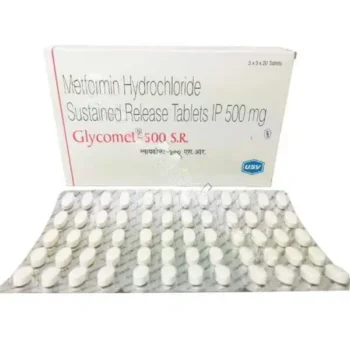
Product Overview Metformin Sustained Release 500 Mg (Generic) is a prescription oral antihyperglycemic agent formulated for the management of type 2 diabetes mellitus. Produced by USV Pvt Ltd, this tablet belongs to the biguanide class and delivers t
In stock
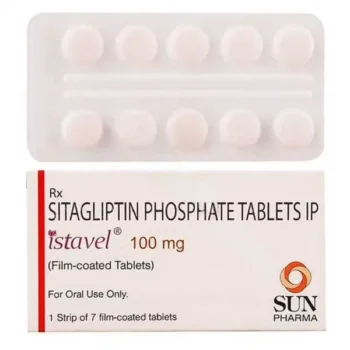
Product Overview Sitagliptin 100 Mg (Generic) is an oral antidiabetic medication indicated for the management of type 2 diabetes mellitus. Manufactured by Sun Pharmaceutical Industries Ltd, this product is supplied in packs containing 10 tablets per
In stock
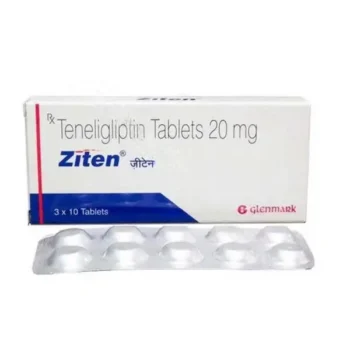
Product Overview
Teneligliptin 20 mg is a generic pharmaceutical product that contains the active ingredient Teneligliptin, classified as a dipeptidyl peptidase‑4 (DPP‑4) inhibitor. It is manufactured by Glenmark Pharmaceuticals Ltd., a globally
In stock
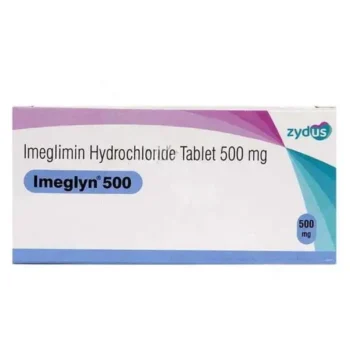
Product Overview Imeglimin 500 Mg is a prescription oral medication formulated for the management of type 2 diabetes mellitus. Manufactured by Zydus Lifesciences, the product is supplied in a convenient strip containing ten tablets, each delivering a
In stock
Product Overview
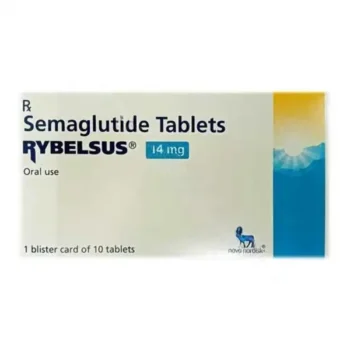
Semaglutide 14 mg (Generic) is a prescription oral medication indicated for the management of Type 2 diabetes mellitus. Manufactured by Novo Nordisk India, the product is supplied in strips containing ten tablets, with pack sizes a
In stock
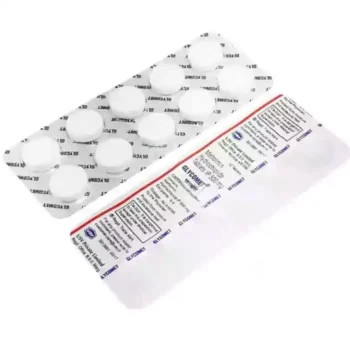
Metformin 500 mg Generic – Product Overview Metformin 500 mg is a widely prescribed oral antihyperglycemic agent used in the management of Type 2 diabetes mellitus. Manufactured by USV Pvt Ltd, this generic formulation contains the active ingredient
In stock
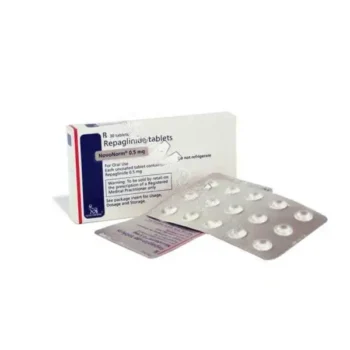
Repaglinide 0.5 mg is a prescription oral antidiabetic medication formulated to assist adults with type 2 diabetes mellitus in achieving better glycemic control. Manufactured by Novo Nordisk India, a globally recognized pharmaceutical leader, this
In stock
Product Overview
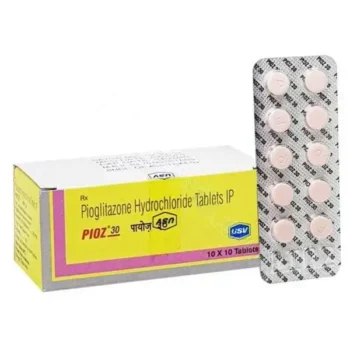
Pioglitazone 30 mg is a generic oral antidiabetic produced by USV Pvt. Ltd. Each tablet delivers 30 mg of pioglitazone, a thiazolidinedione that improves insulin sensitivity. The medication is supplied in strips containing 10 tab
In stock
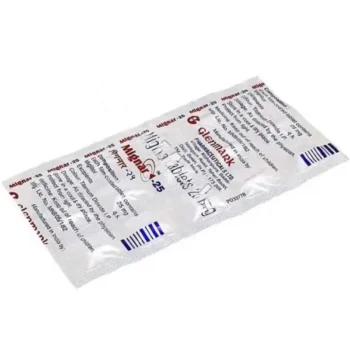
Product Overview Miglitol 25 mg is a generic oral antidiabetic produced by Glenmark Pharmaceuticals Ltd. Each strip holds fifteen film‑coated tablets, each containing 25 mg of the active ingredient. The product is offered in pack sizes of 30, 60, and
In stock
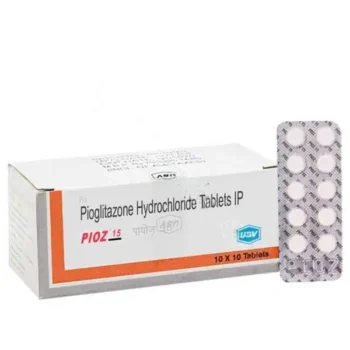
Product Overview
Pioglitazone 15 mg is a prescription oral medication indicated for the management of type 2 diabetes mellitus. It is manufactured by USV Pvt. Ltd. and supplied in a convenient strip containing ten tablets. The product is availabl
In stock
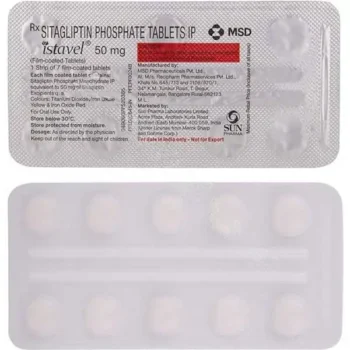
Product Overview
Sitagliptin 50 mg is a widely prescribed oral antihyperglycemic agent used in the treatment of Type 2 diabetes mellitus. The medication is produced by Sun Pharmaceutical Industries Ltd, a globally recognized manufacturer with a s
In stock
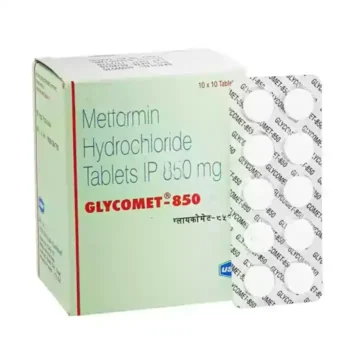
Product Overview
Metformin 850 mg is a widely prescribed oral hypoglycemic agent used in the management of Type 2 diabetes mellitus. Manufactured by USV Pvt Ltd, this generic formulation delivers a consistent 850 mg dose of metformin in each tabl
In stock
Reviews
There are no reviews yet.