
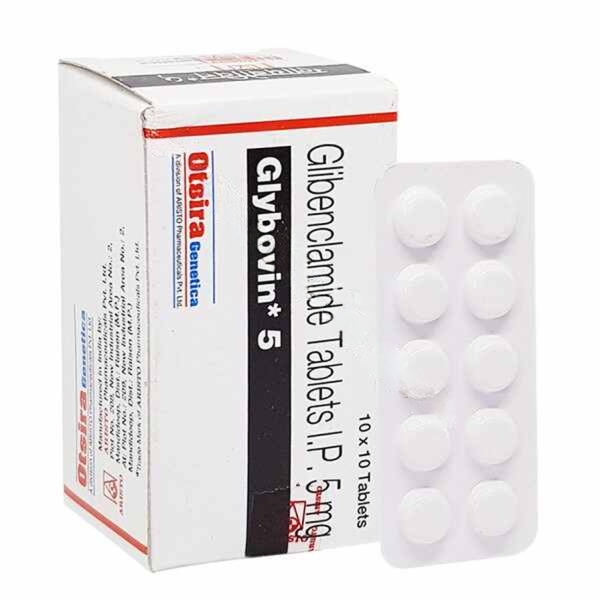
Glybovin 5 mg (Glibenclamide)
Price range: 45.00$ through 70.00$
Product Overview
Glybovin 5 mg is a prescription oral antidiabetic tablet produced by Aristo Pharmaceuticals Pvt. Ltd. The formulation consists of ten tablets per strip, each tablet delivering a standardized 5 mg dose of glibenclamide, a sulfonyl
| Active Ingredients | Glibenclamide |
|---|---|
| Delivery Time | 6 To 15 days |
| Indication | Type 2 diabetes |
| Manufacturer | Aristo Pharmaceuticals Pvt. Ltd. |
| Packaging | 10 tablets in 1 strip |
| Strength | 5mg |
| Pack Size | Price | Quantity | |
|---|---|---|---|
| 60 Tablet/s | 45.00$ | ||
| 90 Tablet/s | 58.00$ | ||
| 120 Tablet/s | 70.00$ |
Product Overview
Glybovin 5 mg is a prescription oral antidiabetic tablet produced by Aristo Pharmaceuticals Pvt. Ltd. The formulation consists of ten tablets per strip, each tablet delivering a standardized 5 mg dose of glibenclamide, a sulfonylurea compound indicated for the treatment of type 2 diabetes mellitus. Packaged in bulk options of 60, 90, or 120 tablets, Glybovin offers flexibility for both short‑term and long‑term therapy, allowing clinicians to match supply with patient demand while maintaining consistent potency.
The product is marketed under the brand name Glybovin and is recognized for its bioequivalence to reference sulfonylureas, providing an affordable alternative without compromising therapeutic efficacy. Storage requirements are standard: keep in a dry place at temperatures not exceeding 30°C, and protect from moisture until the strip is opened.
What is Glybovin 5 mg
Glybovin belongs to the sulfonylurea class of oral hypoglycemic agents. The active moiety, glibenclamide, acts as a high‑affinity antagonist of the ATP‑sensitive potassium channel (Kir6.2/SUR1 complex) on pancreatic beta cells. Binding of glibenclamide to this receptor leads to closure of the channel, membrane depolarization, influx of calcium, and subsequent exocytosis of insulin‑containing granules. Because this mechanism is glucose‑dependent, insulin release is amplified only when circulating glucose levels are elevated, which helps to minimize inappropriate insulin secretion during hypoglycemia.
Clinically, Glybovin is prescribed as an adjunct to diet and exercise to improve glycemic control in adults with type 2 diabetes. Its once‑daily dosing regimen enhances adherence, and the 5 mg strength provides a precise starting point for titration.
Uses and Benefits
The therapeutic uses of Glybovin extend beyond simple glucose lowering. When used appropriately, it can:
- Decrease fasting plasma glucose (FPG) and post‑prandial glucose excursions, contributing to lower overall HbA1c values.
- Reduce the risk of microvascular complications such as retinopathy, nephropathy, and neuropathy when integrated into a comprehensive diabetes management plan.
- Improve insulin sensitivity indirectly by promoting better glycemic stability, which may lessen the burden on endogenous insulin production.
- Offer a cost‑effective option for patients requiring long‑term pharmacotherapy, especially in health systems where generic availability is limited.
Real‑world studies have demonstrated that patients achieving an HbA1c reduction of at least 0.5 percent within the first three months of treatment experience better long‑term outcomes, including lower rates of cardiovascular events.
In addition, the convenience of a single tablet taken once daily can improve patient satisfaction and promote consistent use, which is a critical factor in achieving sustained glycemic control.
How It Works
The pharmacokinetic profile of Glybovin supports its therapeutic use. After oral administration, glibenclamide is rapidly absorbed from the gastrointestinal tract, reaching peak plasma concentrations within one to two hours. The drug undergoes extensive hepatic metabolism via the cytochrome P450 system, primarily CYP2C9, and is eliminated through renal excretion of metabolites. The elimination half‑life ranges from 5 to 12 hours, allowing for once‑daily dosing.
Because hepatic metabolism can be affected by genetic polymorphisms, drug interactions, and organ function, clinicians often monitor liver enzymes and adjust dosage in patients with hepatic impairment. The glucose‑dependent nature of insulin release means that the risk of hypoglycemia is modest when the medication is used alone, but it increases when combined with other glucose‑lowering agents such as insulin or metformin.
Dosage Guidelines
Initial dosing typically begins with one 5 mg tablet taken orally once daily, preferably with the first main meal of the day. The dose may be titrated upward by 5 mg increments at intervals of 1 to 2 weeks, based on patient response and fasting glucose measurements, up to a maximum recommended daily dose of 20 mg (four tablets).
For patients with moderate renal impairment (eGFR 30‑60 mL/min/1.73 m²), a reduced starting dose of 2.5 mg is advisable, although the 5 mg tablet can be split only under professional supervision. In elderly patients, clinicians should start at the lowest effective dose and monitor for signs of hypoglycemia more closely.
Regular self‑monitoring of blood glucose is recommended, especially during the titration phase. If fasting glucose falls below 80 mg/dL or if symptomatic hypoglycemia occurs, the dose should be reduced or the medication temporarily discontinued. Routine assessment of renal and hepatic function every 6 to 12 months is also recommended to ensure continued appropriateness of therapy.
Side Effects
Adverse reactions associated with Glybovin are generally mild to moderate but can include:
- Hypoglycemia, which may present as dizziness, sweating, confusion, or shakiness. Severe hypoglycemia may require medical intervention.
- Weight gain, often modest, due to improved glycemic control and increased appetite.
- Gastrointestinal disturbances such as nausea, abdominal discomfort, or diarrhea.
- Dermatologic reactions including rash, itching, or rare cases of Stevens‑Johnson syndrome.
Less common but clinically significant events comprise hepatic enzyme elevations, pancreatitis, and severe hypersensitivity reactions. Patients experiencing persistent or worsening side effects should contact their healthcare provider promptly.
Management of hypoglycemia typically involves immediate carbohydrate intake and, if symptoms persist, professional medical evaluation. Adjusting the dose or spacing of administration can often mitigate weight gain concerns.
Warnings and Precautions
Glybovin is contraindicated in patients with a history of type 1 diabetes, diabetic ketoacidosis, or severe hepatic disease. It should not be used during pregnancy unless the potential benefit outweighs the risk, and only under the supervision of a qualified physician. Lactating mothers should also consult their healthcare provider before use.
Patients with advanced renal disease (eGFR < 30 mL/min/1.73 m²) should avoid Glybovin, as accumulation of the drug and its metabolites may increase the risk of hypoglycemia. Caution is advised in individuals with adrenal or pituitary insufficiency, as these conditions may predispose to exaggerated hypoglycemic responses.
Drug interactions can potentiate the hypoglycemic effect of Glybovin. Concomitant use with certain antibiotics (e.g., sulfonamides), antifungals, or beta‑blockers may increase the risk of severe hypoglycemia. Healthcare providers should review a patient’s complete medication list before initiating therapy.
For comprehensive prescribing information, refer to the official product label or consult a pharmacist. Additional guidance can be obtained from authoritative sources such as the FDA, the NIH, and the Drugs.com database.
Frequently Asked Questions
- What is the active ingredient in Glybovin 5 mg? The active ingredient is glibenclamide, a sulfonylurea that lowers blood glucose by stimulating insulin release from pancreatic beta cells.
- Can Glybovin be taken with other diabetes medications? It may be combined with metformin, insulin, or other oral agents, but dose adjustments are essential to avoid excessive hypoglycemia. Always discuss combination therapy with a clinician.
- How should the tablets be stored? Store at room temperature away from moisture and heat. Keep the strip sealed until ready for use to maintain potency.
- Is Glybovin suitable for patients with kidney disease? Use with caution in moderate to severe renal impairment. Dose reduction or avoidance may be necessary depending on the degree of kidney function.
- Where can I find more detailed prescribing information? Detailed prescribing details are available through the FDA, the NIH, and the Drugs.com databases, as well as the official product labeling.
For further reading on diabetes management, reputable resources such as the MedlinePlus page on diabetes and the Wikipedia entry on diabetes mellitus provide evidence‑based information.
Related Products
- Okamet 500 Mg (Metformin)
- Megapen 250 mg (Ampicillin/Cloxacillin)
- Monocef Injection 2gm (Ceftriaxone)
- Monocef Injection 1gm (Ceftriaxone)
- Monocef Injection 500mg (Ceftriaxone)
- Monocef Injection 250mg (Ceftriaxone)
- Mikacin injection 500mg (Amikacin)
- Mikacin injection 250mg (Amikacin)
- Monocef Injection (Ceftriaxone)
- Mikacin injection 100mg (Amikacin)
- Mikacin injection (Amikacin)
- Amikacin injection 500mg (Generic)
Related Products
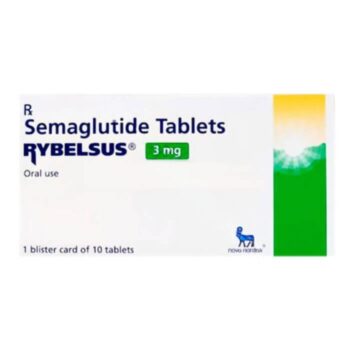
Product Overview Semaglutide 3 mg generic is a prescription medication indicated for the treatment of type 2 diabetes mellitus. It is manufactured by Novo Nordisk India, a globally recognized pharmaceutical company with a strong track record in diabe
In stock
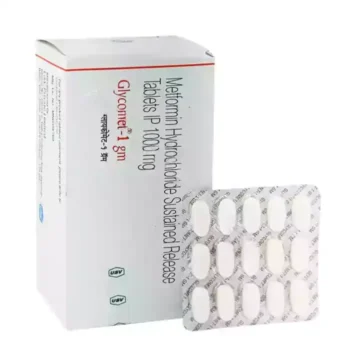
Metformin 1000 mg (Generic) – Diabetes Care Product Overview Metformin 1000 mg is a widely prescribed oral medication used in the management of type 2 diabetes mellitus. Manufactured by USV Pvt Ltd, this generic formulation contains the active ingred
In stock
Product Overview Miglitol 25 mg is a generic oral antidiabetic produced by Glenmark Pharmaceuticals Ltd. Each strip holds fifteen film‑coated tablets, each containing 25 mg of the active ingredient. The product is offered in pack sizes of 30, 60, and
In stock
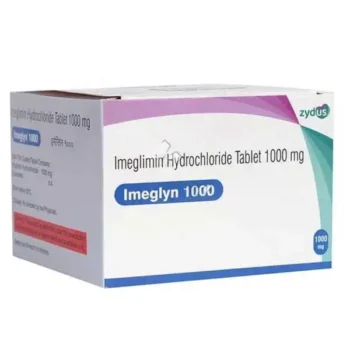
Imeglimin 1000 Mg (Generic) – Product Overview
Imeglimin 1000 Mg is a prescription antidiabetic medication manufactured by Zydus Lifesciences. It is formulated as a tablet that delivers a 1000 Mg dose of the active ingredient imeglimin. The product
In stock
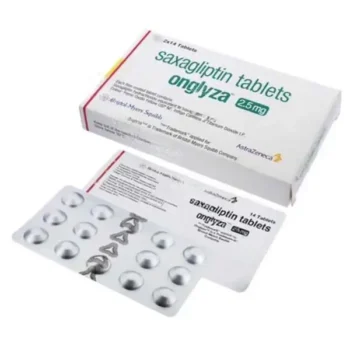
Product Overview Saxagliptin 2.5 mg is a generic formulation of a dipeptidyl peptidase‑4 (DPP‑4) inhibitor used in the management of type 2 diabetes mellitus. Manufactured by AstraZeneca Pharma India Ltd , the product is supplied in a strip containi
In stock
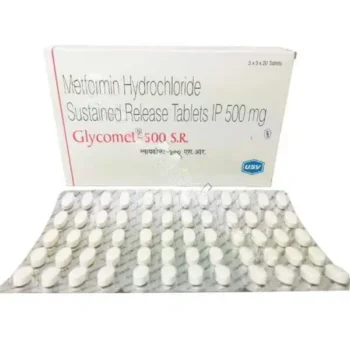
Product Overview Metformin Sustained Release 500 Mg (Generic) is a prescription oral antihyperglycemic agent formulated for the management of type 2 diabetes mellitus. Produced by USV Pvt Ltd, this tablet belongs to the biguanide class and delivers t
In stock

Product Overview Bromocriptine 2.5 mg generic tablets are manufactured by Serum Institute India, a company known for producing affordable generic medicines. The product is supplied in strips of ten tablets, with pack options of 30, 60, or 90 tablets.
In stock
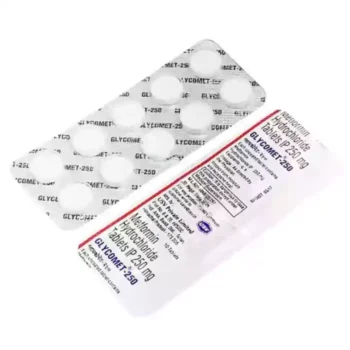
Product Overview Metformin 250 mg is a generic oral antihyperglycemic agent manufactured by USV Pvt Ltd. It is formulated for the management of type 2 diabetes mellitus. Each strip contains 10 tablets, each delivering 250 mg of metformin. The product
In stock
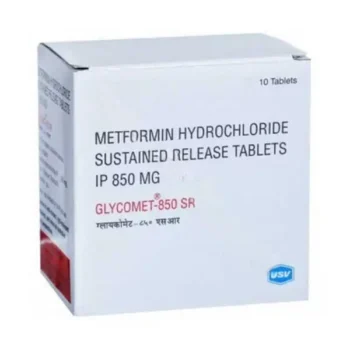
Product Overview
Metformin Sustained Release 850 mg is a prescription oral antihyperglycemic agent formulated for the management of type 2 diabetes mellitus. Produced by USV Pvt Ltd, this generic formulation delivers the active ingredient in a cont
In stock
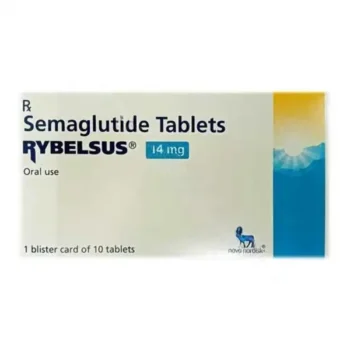
Product Overview
Semaglutide 14 mg (Generic) is a prescription oral medication indicated for the management of Type 2 diabetes mellitus. Manufactured by Novo Nordisk India, the product is supplied in strips containing ten tablets, with pack sizes a
In stock
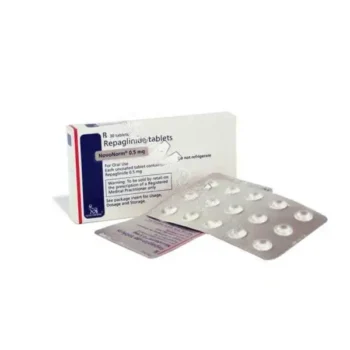
Repaglinide 0.5 mg is a prescription oral antidiabetic medication formulated to assist adults with type 2 diabetes mellitus in achieving better glycemic control. Manufactured by Novo Nordisk India, a globally recognized pharmaceutical leader, this
In stock
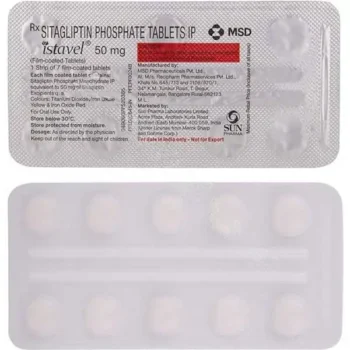
Product Overview
Sitagliptin 50 mg is a widely prescribed oral antihyperglycemic agent used in the treatment of Type 2 diabetes mellitus. The medication is produced by Sun Pharmaceutical Industries Ltd, a globally recognized manufacturer with a s
In stock
Reviews
There are no reviews yet.