
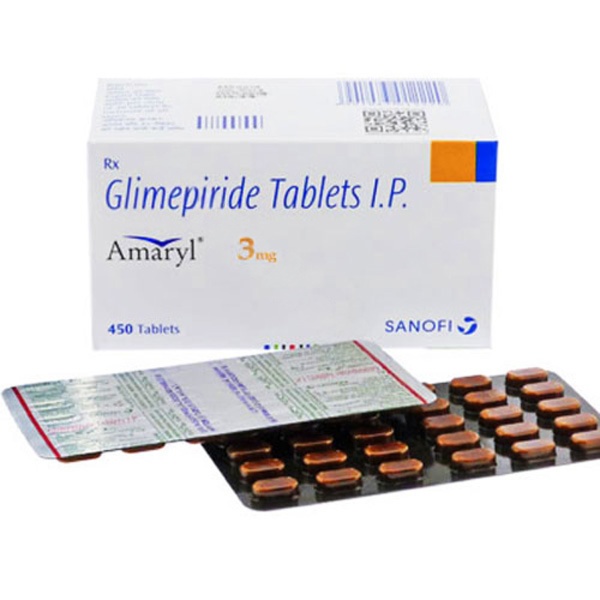
Glimepiride 3mg (Generic)
Price range: 34.00$ through 60.00$
Product Overview
Glimepiride 3mg is an oral anti-diabetic medication indicated for the management of type 2 diabetes mellitus. Manufactured by Sanofi India Limited, this generic formulation comes in a strip containing 30 tablets, each delivering a
| Active Ingredients | Glimepiride |
|---|---|
| Delivery Time | 6 To 15 days |
| Indication | Type 2 diabetes |
| Manufacturer | Sanofi India Limited |
| Packaging | 30 tablets in 1 strip |
| Strength | 3mg |
| Pack Size | Price | Quantity | |
|---|---|---|---|
| 30 Tablet/s | 34.00$ | ||
| 60 Tablet/s | 47.00$ | ||
| 90 Tablet/s | 60.00$ |
Product Overview
Glimepiride 3mg is an oral anti-diabetic medication indicated for the management of type 2 diabetes mellitus. Manufactured by Sanofi India Limited, this generic formulation comes in a strip containing 30 tablets, each delivering a strength of 3mg of glimepiride. The product is packaged for convenient daily use and is bioequivalent to the reference brand. It belongs to the sulfonylurea class of drugs, which lower blood glucose by stimulating pancreatic beta-cells to release insulin. This medication is typically prescribed alongside diet and exercise to achieve optimal glycemic control in adults with type 2 diabetes. For more detailed prescribing information, see the U.S. Food and Drug Administration.
What is Glimepiride 3mg
Glimepiride 3mg belongs to the sulfonylurea class of antidiabetic agents. Its chemical name is 4‑[4‑chloro‑3‑(4‑methoxyphenyl)‑2‑hydroxy‑5‑(piperidin‑1‑yl)‑1‑piperidinyl]‑N‑(tetrahydro‑2‑furan‑2‑yl)‑benzamide. The drug acts by binding to the Kir6.2 subunit of the ATP‑sensitive potassium channel on pancreatic beta cells, leading to closure of the channel, depolarization of the cell membrane, and subsequent influx of calcium. This cascade triggers rapid exocytosis of stored insulin, thereby lowering post‑prandial plasma glucose. Because the effect is glucose‑dependent, glimepiride has a lower propensity to cause hypoglycemia compared with some other secretagogues, although the risk remains when renal function declines or caloric intake is reduced. Metabolism occurs primarily in the liver via cytochrome P450 enzymes; PubMed provides further pharmacodynamic data.
Uses and Benefits
Glimepiride 3mg is indicated as an adjunct to diet and exercise to improve glycemic control in adults with type 2 diabetes mellitus. When used as part of a comprehensive treatment plan, it helps achieve target HbA1c levels, reduces fasting plasma glucose, and diminishes post‑prandial glucose excursions. Effective glucose management is associated with a lower risk of microvascular complications such as retinopathy, nephropathy, and neuropathy, as well as macrovascular outcomes including myocardial infarction and stroke. Clinical studies have demonstrated that sulfonylureas like glimepiride provide durable glycemic control when combined with lifestyle modifications. In addition, the medication is generally inexpensive, widely available, and can be prescribed as monotherapy or in combination with metformin, SGLT2 inhibitors, or GLP‑1 receptor agonists, offering flexibility for individualized therapy. For consumer perspectives, MedlinePlus offers patient‑focused summaries.
How It Works
The pharmacodynamic action of glimepiride centers on its interaction with the sulfonylurea receptor (SUR1) on the surface of pancreatic beta cells. Binding to this receptor inhibits the ATP‑sensitive potassium channel, causing membrane depolarization and opening of voltage‑gated calcium channels. The resulting calcium influx triggers vesicular fusion and insulin release. Because the drug’s effect is dependent on the presence of glucose, it exerts a glucose‑dependent stimulation of insulin secretion, which reduces the likelihood of excessive insulin release during fasting states. Glimepiride also modestly increases peripheral insulin sensitivity and may decrease hepatic glucose production, contributing to overall reductions in blood glucose levels. The onset of action typically occurs within 1–2 hours after oral administration, with peak effects observed 2–3 hours post‑dose.
Dosage Guidelines
Adults are generally initiated at a dose of 1mg taken once daily with breakfast, followed by titration in increments of 1mg at intervals of 1–2 weeks based on fasting plasma glucose and HbA1c response. The customary maintenance dose ranges from 2mg to 6mg per day, administered as a single dose or divided into two doses taken before breakfast and dinner, depending on glycemic control and patient tolerance. Glimepiride 3mg tablets may be split only if a healthcare professional advises dose adjustment; patients should never crush or chew the tablet. Renal impairment (eGFR <45 mL/min/1.73 m²) warrants dose reduction to 1mg daily to minimize the risk of hypoglycemia. Elderly patients often start at 0.5mg and are titrated cautiously. It is essential to monitor blood glucose regularly and to educate patients on recognizing symptoms of hypoglycemia. Detailed dosing recommendations are available on Drugs.com.
Side Effects
Common adverse reactions observed with glimepiride include hypoglycemia, dizziness, headache, nausea, and mild skin rash. Less frequent but clinically significant events comprise hepatic enzyme elevations, weight gain, and hypersensitivity reactions such as pruritus or urticaria. Rarely, patients may experience agranulocytosis, severe hepatotoxicity, or Stevens‑Johnson syndrome. Prolonged hypoglycemia can occur in individuals with impaired renal function or those who miss meals after taking the medication. In the event of an overdose, immediate medical evaluation is required; treatment may involve administration of glucose and, if necessary, intravenous dextrose. Patients should be instructed to monitor blood glucose frequently, especially when initiating therapy or after dose adjustments. For comprehensive safety data, refer to National Institutes of Health.
Warnings and Precautions
Do not use glimepiride in patients with type 1 diabetes mellitus or diabetic ketoacidosis, as the drug does not address absolute insulin deficiency. Contraindications include severe hepatic disease, active infection, or a history of hypersensitivity to sulfonylureas. Prior to initiation, assess renal function; dosage reduction is recommended for patients with an estimated glomerular filtration rate (eGFR) below 45 mL/min/1.73 m². Caution is advised in elderly individuals, who are more susceptible to hypoglycemia and may require lower starting doses. Concomitant use of certain medications such as non‑steroidal anti‑inflammatory drugs, certain antibiotics, or beta‑blockers may potentiate hypoglycemia. Patients should be instructed to avoid alcohol consumption in excess, as it can increase the risk of hypoglycemia and impair hepatic glucose production. Regular laboratory monitoring of liver enzymes and renal function is recommended during long‑term therapy. Additional guidance can be found at Wikipedia.
Frequently Asked Questions
Q1: What is the recommended starting dose of Glimepiride 3mg? A: The usual starting dose is 1 mg once daily with breakfast; the 3 mg tablet strength is used for titration, not as an initial dose.
Q2: Can Glimepiride 3mg be taken with other diabetes medications? A: Yes, it is often combined with metformin, SGLT2 inhibitors, or GLP‑1 receptor agonists, but dose adjustments may be needed to avoid hypoglycemia.
Q3: How should the tablet be taken? A: Swallow the tablet whole with water before the first main meal of the day; do not crush, split, or chew unless directed by a clinician.
Q4: What should I do if I miss a dose? A: Take the missed dose as soon as remembered if it is within a few hours of the scheduled time; otherwise, skip it and resume the regular schedule—do not double dose.
Q5: Are there dietary restrictions while on Glimepiride? A: Maintain consistent carbohydrate intake and avoid skipping meals; excessive alcohol should be limited to reduce hypoglycemia risk.
Related Products
- Allegra (Fexofenadine)
- Fexofenadine 30 Mg (Generic)
- Fexofenadine 120 Mg (Generic)
- Fexofenadine 180 Mg (Generic)
- Allegra 120 mg (Fexofenadine)
- Allegra 30mg (Fexofenadine)
- Allegra Nasal Duo Spray (Fluticasone / Azelastine)
- Allegra 180 mg (Fexofenadine)
- Okamet 500 Mg (Metformin)
- Framycetin Sulphate Cream (Generic)
- Teicoplanin 400mg (Generic)
- Soframycin Cream (Framycetin Sulphate)
Related Products
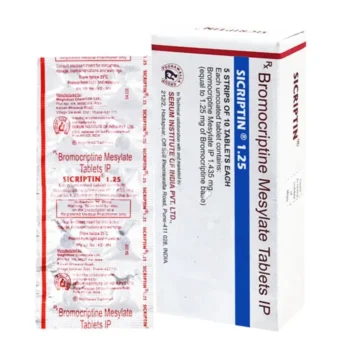
Product Overview
Bromocriptine 1.25 mg (Generic) is a prescription oral tablet produced by Serum Institute India. Each strip contains ten tablets, and the product is marketed in pack sizes of 30, 60, or 90 tablets to accommodate different treatment
In stock
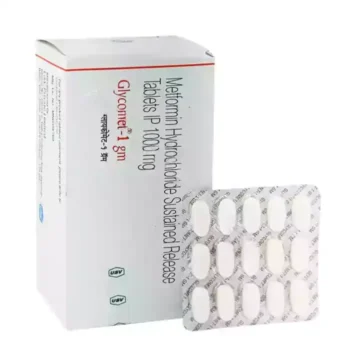
Metformin 1000 mg (Generic) – Diabetes Care Product Overview Metformin 1000 mg is a widely prescribed oral medication used in the management of type 2 diabetes mellitus. Manufactured by USV Pvt Ltd, this generic formulation contains the active ingred
In stock
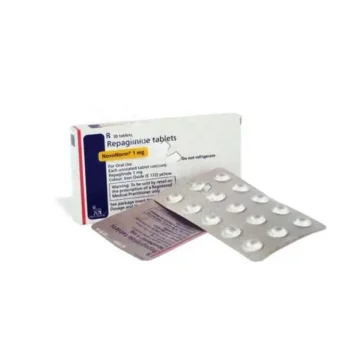
Product Overview Repaglinide 1 mg is a generic oral antidiabetic medication supplied by Novo Nordisk India. Each strip contains 15 tablets, and the product is available in pack sizes of 30, 60, or 90 tablets. It is indicated for the treatment of type
In stock
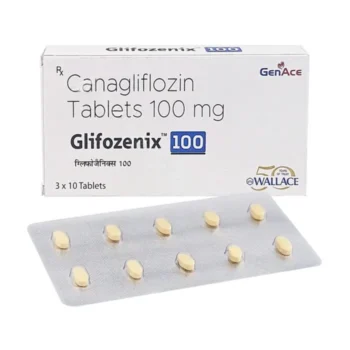
Product Overview Glifozenix 100 mg is a prescription oral medication formulated to help adults with type 2 diabetes mellitus achieve better glycemic control. Manufactured by Wallace Pharmaceuticals Pvt. Ltd., each strip contains ten tablets, each del
In stock
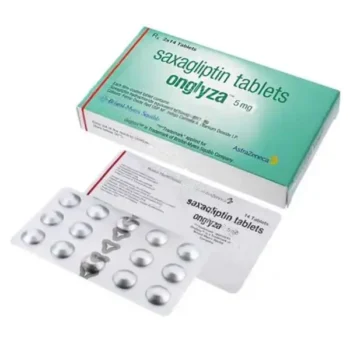
Saxagliptin 5 mg is a prescription oral medication indicated for the management of type 2 diabetes mellitus. Manufactured by AstraZeneca Pharma India Ltd each strip contains 14 film‑coated tablets delivering a consistent 5 mg dose of saxagliptin. T
In stock
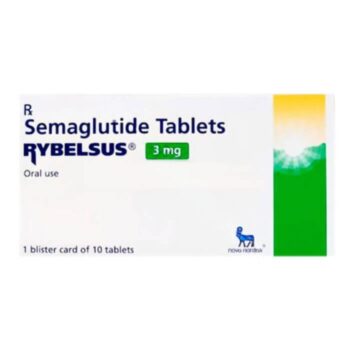
Product Overview Semaglutide 3 mg generic is a prescription medication indicated for the treatment of type 2 diabetes mellitus. It is manufactured by Novo Nordisk India, a globally recognized pharmaceutical company with a strong track record in diabe
In stock
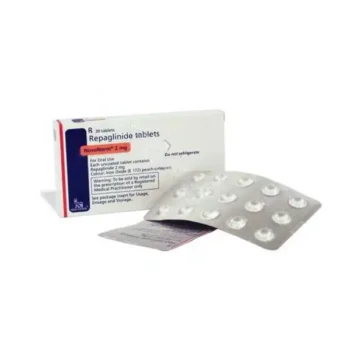
Product Overview Repaglinide 2 mg (Generic) is a prescription oral antidiabetic medication indicated for the management of type 2 diabetes mellitus. Manufactured by Novo Nordisk India this product is supplied in a strip containing 15 tablets each con
In stock
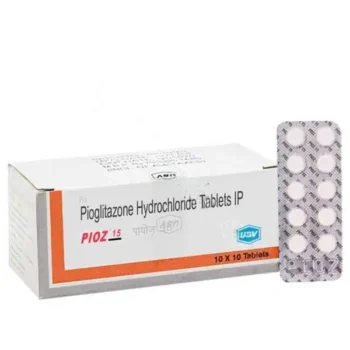
Product Overview
Pioglitazone 15 mg is a prescription oral medication indicated for the management of type 2 diabetes mellitus. It is manufactured by USV Pvt. Ltd. and supplied in a convenient strip containing ten tablets. The product is availabl
In stock
Product Overview
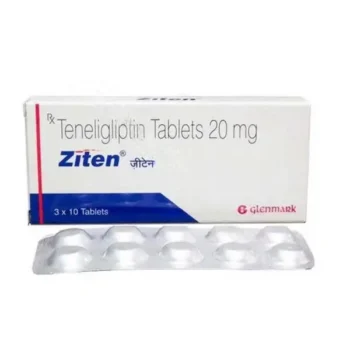
Teneligliptin 20 mg is a generic pharmaceutical product that contains the active ingredient Teneligliptin, classified as a dipeptidyl peptidase‑4 (DPP‑4) inhibitor. It is manufactured by Glenmark Pharmaceuticals Ltd., a globally
In stock
Product Overview
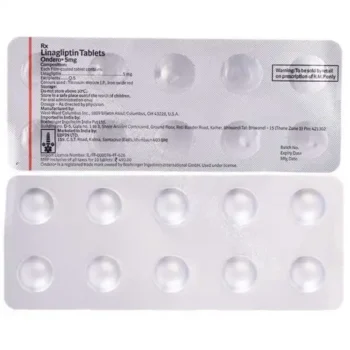
Linagliptin 5 mg (Generic) is a prescription oral antidiabetic medication produced by the joint venture of Boehringer Ingelheim and Lupin Limited. It is formulated for the management of type 2 diabetes mellitus and is supplied in
In stock
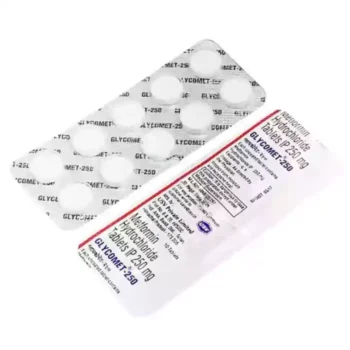
Product Overview Metformin 250 mg is a generic oral antihyperglycemic agent manufactured by USV Pvt Ltd. It is formulated for the management of type 2 diabetes mellitus. Each strip contains 10 tablets, each delivering 250 mg of metformin. The product
In stock
Product Overview
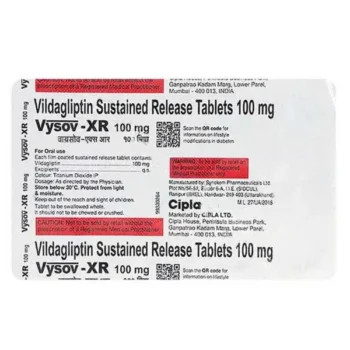
Vildagliptin Sustained Release 100 Mg (Generic) is a prescription oral medication indicated for the management of Type 2 diabetes mellitus. Manufactured by Cipla Limited, this formulation belongs to the class of dipeptidyl peptidas
In stock
Reviews
There are no reviews yet.